Monrovia – The former Executive Director of the Environmental Protection Agency, Professor Wilson Tarpeh, has defended the George Weah administration’s decision to drop its initial plan to audit officials from the Ellen Johnson Sirleaf era, saying the government prioritized development over prolonged legal battles.
By Willie Tokpah
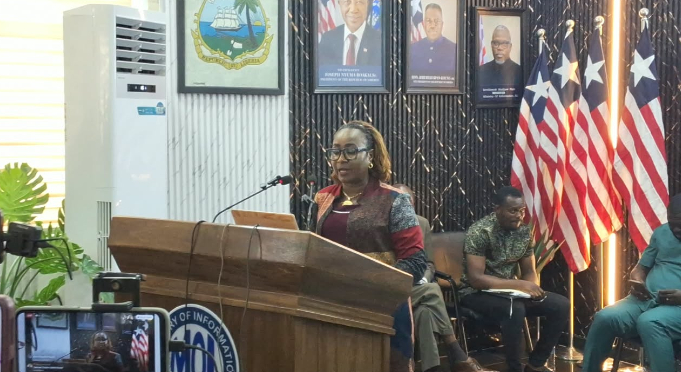
Speaking over the weekend on Cape FM’s The Daily Show, Tarpeh said the administration found the audit process too time-consuming and inefficient to pursue alongside national development objectives.
“A single audit could take 13 to 18 months,” Tarpeh revealed. “It was inefficient and quickly became a distraction from the work we were elected to do.”
He explained that after internal assessments, the administration chose to concentrate on delivering its Pro-Poor Agenda for Prosperity and Development (PAPD) rather than committing limited resources to investigations that rarely led to legal resolutions.
“We chose development,” Tarpeh stated. “Most of these audit reports either lose public interest once they get to court or are dismissed altogether. Some even cause more embarrassment than outcomes.”
Tarpeh pointed to historical cases involving former officials such as Edwin Melvin Snowe, Lusinee Kamara, and ex-Interim President Gyude Bryant as examples of legal processes that failed to produce concrete results.
The former EPA official argued that the government’s decision helped it focus on tangible priorities such as infrastructure, education, and agriculture.
“That’s why we made the gains we did under the PAPD,” he said. “We conserved time and energy and redirected both into roads, schools, and agriculture.”
Addressing long-standing public criticisms that the Weah administration tolerated corruption, Tarpeh said audit reports only carry legal weight when they uncover criminal wrongdoing —something he said is often misunderstood by the public.
“There’s a gap between what the public believes and how institutions actually work,” he explained. “Just because someone is accused or audited doesn’t mean the law can convict them.”
While he acknowledged perceptions that corruption may have been overlooked, Tarpeh maintained that legal standards and the limitations of institutional capacity must be considered.
“The choice was clear,” he added. “We focused on what we believed mattered most to the people.”
Support Independent Journalism
Your support helps FrontPage Africa continue delivering independent, credible, and impactful journalism. Every contribution strengthens our ability to investigate, inform, and hold power accountable while keeping quality journalism accessible to our readers.
Support our journalism or subscribe to receive the latest FrontPage Africa stories and updates.