Monrovia – The Central Bank of Liberia (CBL) has announced its decision to maintain the Monetary Policy Rate (MPR) at 17.25%, a strategic move to stabilize prices, curb inflation, and protect the Liberian dollar amid ongoing economic pressures.
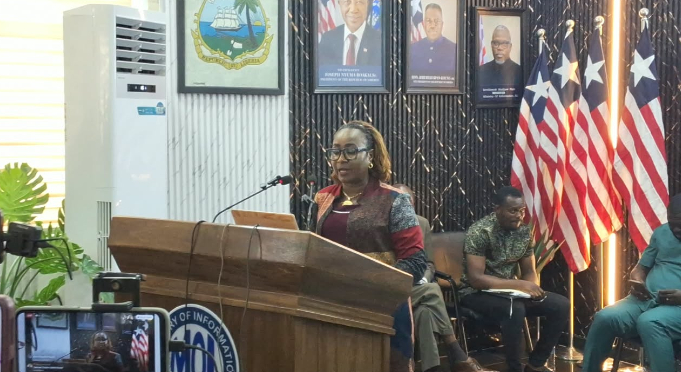
“We understand the pressure rising prices place on Liberian households. By holding the policy rate steady, we are working to keep inflation in check and ensure that the Liberian dollar remains stable. This is about protecting the everyday citizen’s ability to afford basic goods and services,” said Executive Governor Henry F. Saamoi during the official reading of the CBL’s Monetary Policy Communiqué for the third quarter of 2025 on Wednesday, July 23.
The decision was reached at the Bank’s third Monetary Policy Committee (MPC) meeting held on July 16, as part of its tight monetary policy stance aimed at anchoring inflation expectations, preserving macroeconomic stability, and safeguarding consumer buying power.
What It Means for Liberians
By holding the MPR at 17.25%, the CBL seeks to contain inflationary pressures and maintain relative exchange rate stability. While borrowing costs remain high, this policy helps preserve the value of savings and shields the average Liberian from rapid price hikes on essentials like food, fuel, and transportation.
The Bank also maintained its other monetary tools including interest rate corridor: Unchanged at +2.5 and -7.5 percentage points around the MPR and reserve requirements which remain at 25% for Liberian dollar deposits and 10% for U.S. dollar deposits.
Inflation Slows, Growth Steady
Governor Saamoi noted positive economic trends, including a decrease in inflation from 12.5% to 11.1% in the second quarter of 2025 and economic growth of 4.3%, keeping the country on track to meet its 5.6% annual growth target.
Additionally remittances increased by 11.4%, contributing to exchange rate stability. The banking sector remains stable, though non-performing loans (NPLs) are still high at 26.7%.
“We are encouraged by signs of economic growth and easing inflation, but global uncertainties and falling export prices require vigilance,” Governor Saamoi added.
Food Prices Drop as Roads Improve
Governor Saamoi also credited improved road infrastructure for a decline in domestic food prices, especially local produce, noting that better access to markets is reducing delivery time and positively influencing pricing.
“We must commend the central government’s efforts in road connectivity. This is allowing farmers to bring their goods to market faster, which is helping lower prices,” he stated.
Policy Reforms and Future Plans
The CBL is encouraging greater use of the Liberian dollar in domestic trade and promoting adoption of the Pan-African Payment and Settlement System (PAPSS) to facilitate cross-border trade in local currency—reducing dependency on the U.S. dollar and minimizing risks tied to physical cash.
“We are committed to building a resilient economy that works for all Liberians. That means making tough but necessary decisions today to ensure a stable tomorrow,” Governor Saamoi affirmed.
Ngafuan Urges Action and Reform
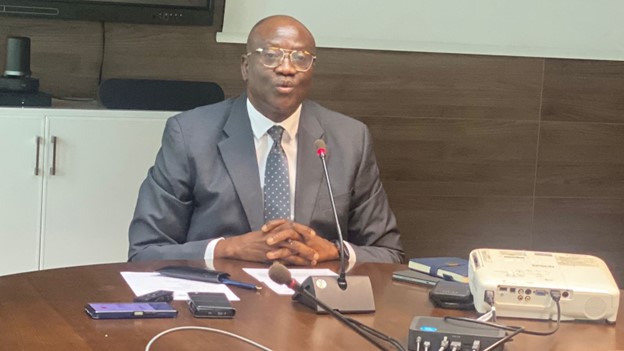
Finance and Development Planning Minister Augustine Ngafuan, speaking at the event, praised the CBL’s efforts while stressing the need for stronger execution, cooperation, and financial sector reforms.

“We must execute. We must deliver. And we must deliver on time,” Ngafuan said, calling for a unified approach between fiscal and monetary institutions to address Liberia’s economic challenges.
While acknowledging the moderation in inflation due to easing global food and fuel prices, he warned of looming risks tied to declining global prices for Liberia’s key exports—rubber, cocoa, and palm oil.
Ngafuan also hailed the launch of PAPSS as “quietly revolutionary,” saying:
“If someone in Liberia can pay for goods in Ghana without using U.S. dollars, that’s not just convenience—it’s transformation.”
He announced plans for follow-up engagements with the Liberia Bankers Association to align the financial sector with national development goals.
“We must make sure the banking system is not just watching us struggle. Their efficiency is our efficiency,” Ngafuan concluded.
Support Independent Journalism
Your support helps FrontPage Africa continue delivering independent, credible, and impactful journalism. Every contribution strengthens our ability to investigate, inform, and hold power accountable while keeping quality journalism accessible to our readers.
Support our journalism or subscribe to receive the latest FrontPage Africa stories and updates.