Veteran educator Dr. John T. Wulu Jr. says Liberia’s reconstruction requires more than financial transfers from abroad, urging diaspora professionals, entrepreneurs, and investors to channel their expertise, resources, and innovations into strengthening institutions, creating jobs, and improving essential services.
Veteran educator Dr. John T. Wulu Jr. has challenged Liberians at home and abroad to take greater responsibility for national development, calling for a coordinated effort to mobilize the diaspora’s intellectual, financial, and professional resources toward rebuilding Liberia.
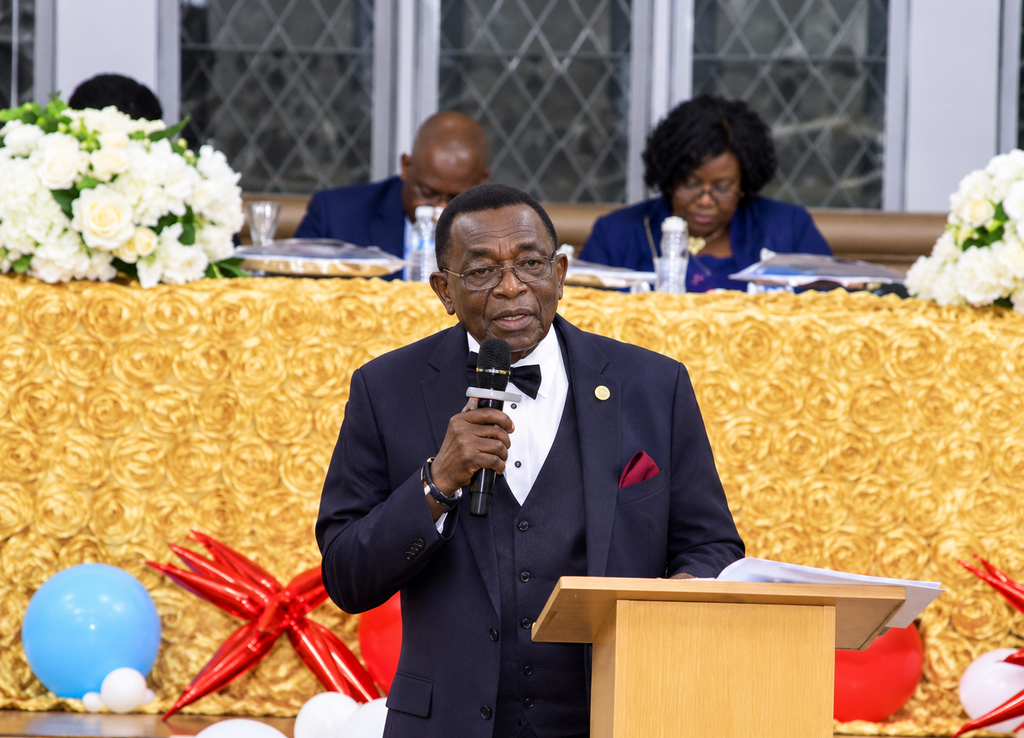
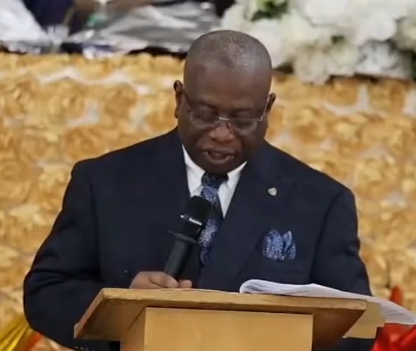
Dr. Wulu made the call while delivering the keynote address at the Movement for Democracy and Reconstruction (MDR)-USA Chapter’s National Convention and Inaugural Ball on Saturday, November 14, 2026, in Philadelphia, Pennsylvania.
Speaking under the theme, “The Role of Diaspora Liberians in Rebuilding Liberia,” Dr. Wulu described the discussion as timely, emphasizing that national reconstruction requires the collective commitment of Liberians, regardless of their geographical location.
He observed that despite Liberia’s abundant natural resources, resilient population, and potential for economic transformation, the country continues to grapple with major challenges in education, healthcare, agriculture, infrastructure, employment, and institutional accountability.
While acknowledging progress in restoring peace and democratic governance following years of civil conflict, he stressed that Liberia’s reconstruction remains unfinished.
“Rebuilding Liberia is not the responsibility of government alone. It is a collective national obligation,” he declared.
Dr. Wulu said government must provide effective leadership and accountable institutions, while the private sector, civil society, and educational institutions contribute through investment, innovation, and human capital development.
He also cautioned against allowing political affiliations, ethnic backgrounds, religious beliefs, county origins, and geographical differences to undermine national unity.
According to him, Liberians must remain united around the common objectives of peace, stability, and national prosperity despite their differences.
“We have one Liberia, one national destiny, and one shared responsibility to future generations,” he stated.
Beyond Remittances
Addressing the contribution of Liberians abroad, Dr. Wulu described the diaspora as an enormous reservoir of intellectual and financial capital, comprising physicians, nurses, engineers, educators, scientists, entrepreneurs, economists, lawyers, and public administrators.
He argued that the professional experience and expertise of these individuals represent valuable national assets that should be systematically organized and deployed to address Liberia’s development priorities.
While recognizing the importance of remittances in supporting families, education, healthcare, and housing, the veteran educator cautioned that financial transfers alone cannot build strong institutions, modern infrastructure, sustainable businesses, or a productive economy.
“Our responsibility must extend beyond sending money home to building systems that create opportunities, institutions that deliver services, and enterprises that generate employment,” Dr. Wulu emphasized.
He challenged diaspora Liberians to measure the impact of their contributions by the number of sustainable jobs created through their investments, schools and hospitals strengthened, agricultural enterprises supported, and young people equipped with marketable skills.
He also called for greater deployment of diaspora expertise to promote transparency, strengthen institutional accountability, and improve living conditions across the country.
Unity and National Responsibility
In concluding his address, Dr. Wulu maintained that Liberia’s greatest development resource lies not exclusively in its natural wealth but also in the knowledge, character, creativity, resilience, and productive potential of its people.
He urged political leaders to demonstrate integrity and respect for their constitutional responsibilities, while encouraging professionals, entrepreneurs, and investors abroad to contribute their skills and resources to national development.
He also challenged educators, researchers, and young people to prioritize knowledge, discipline, and leadership development, describing these as indispensable to Liberia’s future.
MDR-USA Reaffirms Vision
Meanwhile, Professor Daniel B. Mahn, Chairman of the MDR-USA Chapter, reaffirmed the organization’s commitment to building a united, democratic, and progressive diaspora movement grounded in liberty, equality, justice, unity, and human dignity.
He said the movement draws inspiration from the leadership and legacy of its late founding leader, former Senator Prince Yormie Johnson, whose political journey and commitment to the Liberian people continue to inform the organization’s vision.
Professor Mahn said MDR seeks to transcend political, ethnic, religious, and geographical divisions while promoting a peaceful, inclusive, and prosperous Liberia where every citizen enjoys equal rights and opportunities.
He described the convention as an opportunity to reaffirm the movement’s founding ideals, honor its late leader’s legacy, and prepare a new generation of visionary, disciplined, and patriotic leaders.
Summarizing the organization’s vision as “One MDR, One United Liberia, and One Shared Future,” Professor Mahn stressed the need for the USA Chapter to respond effectively to Liberia’s evolving political and developmental realities.
Describing his role as chairman as a privilege, he called for greater investment in preparing young people for future leadership.
He emphasized that MDR must move beyond mobilizing young people to attend political rallies and instead equip them with the knowledge, skills, and leadership capacity to become future policymakers and decision-makers.