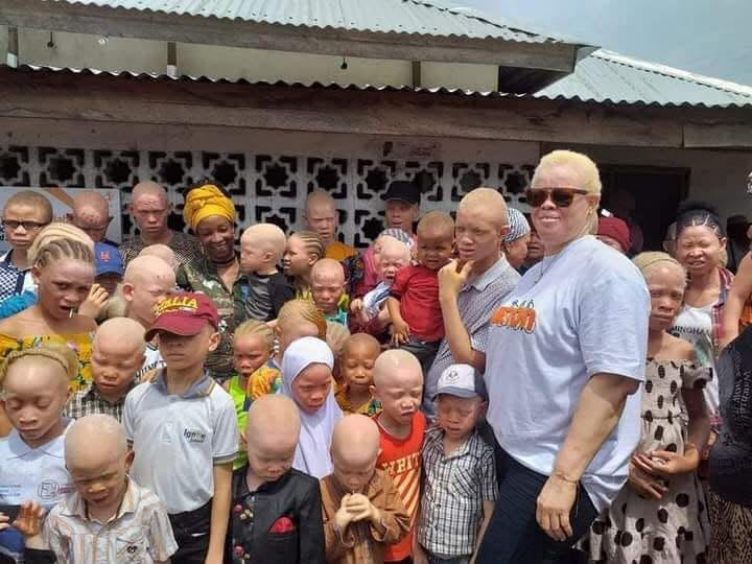
The Liberia Albinism Society (LAS) is calling on the Government of Liberia and the National Legislature to allocate at least US$650,000 annually through institutional subsidies and the Public Sector Investment Program (PSIP) to strengthen its operations and improve the welfare of persons with albinism across the country.
By Darius N. Karnga
The proposed funding, according to the Society, would support healthcare, education, economic empowerment, advocacy, psychosocial services and social inclusion programs aimed at addressing the challenges confronting persons with albinism.
Speaking at a press conference in Monrovia, LAS Press and Public Affairs Director Ezekiel Klah said the institution’s current financial resources are inadequate to meet the growing needs of its members, many of whom face difficulties accessing specialized healthcare, educational opportunities and economic support.
Klah said the Society’s scholarship program for school-going children with albinism requires expansion, while its elderly empowerment grants and medical outreach initiatives also need sustainable financial support.
He noted that increased government assistance would enable the institution to transition from emergency interventions to structured, nationwide programs.
Five Members To Travel To Ghana For Medical Treatment
Meanwhile, the Liberia Albinism Society has announced that five of its members battling skin cancer are expected to travel to Ghana on November 22, 2026, for specialized medical treatment.
According to the Society, the trip follows recommendations from medical practitioners who assessed the patients and determined that additional medical procedures and specialized interventions were necessary.
The institution expressed concern that some of the affected individuals have already undergone surgical procedures once or twice but continue to require further medical attention.
It described the situation as a serious humanitarian and public health concern, particularly given the limited availability of specialized dermatological services and advanced treatment options in Liberia.
The Society commended the government of President Joseph Nyuma Boakai for providing support toward facilitating the medical trip.
It also acknowledged the contributions of the Ministry of Gender, Children and Social Protection, headed by Minister Gbeme Horace-Kollie, and the Ministry of Finance and Development Planning, headed by Minister Augustine Kpehe Ngafuan.
However, the institution stressed that continued dependence on emergency government assistance is not a sustainable solution to the healthcare challenges facing persons with albinism.
It called for a comprehensive national response that guarantees consistent access to healthcare and other essential services.
Society Seeks Inclusive Development Under ARREST Agenda
The Liberia Albinism Society also urged the government to translate its commitment to inclusive development under the ARREST Agenda for Inclusive Development into practical interventions for persons with disabilities, including those living with albinism.
The institution maintained that inclusive development must be reflected in government policies, budgetary decisions, institutional support and equal access to opportunities.
It stressed that persons with albinism should not be excluded from national development because of their physical appearance, disability or social circumstances.
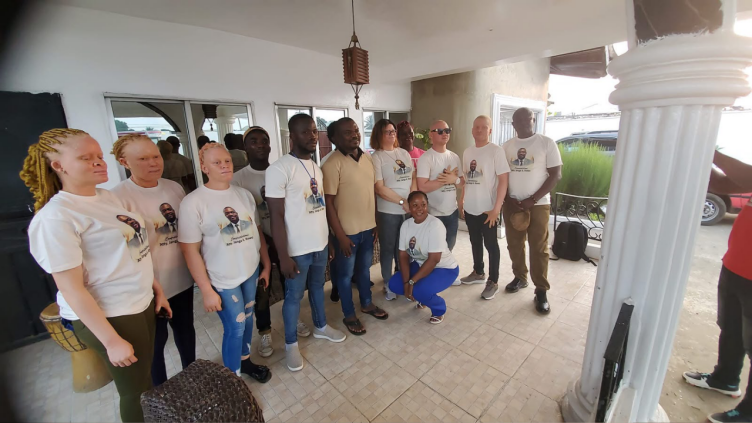
The Society further called on members of the National Legislature to prioritize policies, legislation and budgetary allocations that directly address the needs of marginalized communities.
According to the institution, persons with albinism are not seeking sympathy but equal opportunities, institutional recognition, constitutional protection and access to public resources.
Appreciates Government Support For Headquarters Project
Meanwhile, the Society acknowledged the government’s continued support for the construction of its National Headquarters, disclosing that the project has reached the stage of casting the top of the second floor.
The project, which commenced in 2021 under the administration of former President George Manneh Weah, has continued under President Boakai through support from the Public Sector Investment Program.
The Society described the project’s continuation across two administrations as an important demonstration of government continuity, emphasizing that national development initiatives should not be interrupted by political transitions.
It said the headquarters represents a significant investment in the institution’s growth, national recognition and the long-term welfare of the albinism community.
Three Major Appeals To Government
In its appeal, the Liberia Albinism Society outlined three major requests to the Executive Branch and the National Legislature.
First, it called on the Executive Branch, particularly the Ministry of Finance and Development Planning, to prioritize its proposed US$650,000 annual allocation through institutional subsidies and the PSIP.
Second, it urged the Ministry of Gender, Children and Social Protection to strengthen its partnership with the institution and sustain programs addressing the specific needs of persons with albinism.
Third, it called on the National Legislature to recognize that budgetary support for marginalized communities is an investment in equality, human dignity and national development rather than an act of charity.
The Society reaffirmed its commitment to working with the government, development partners, civil society organizations and other stakeholders to improve the welfare of persons with albinism.
It emphasized that its concerns extend beyond the five members scheduled to travel to Ghana and the ongoing construction of its headquarters, noting that thousands of persons with albinism across Liberia deserve access to healthcare, education, economic opportunities and social protection.
The institution concluded by calling for a sustainable system that ensures the survival and well-being of persons with albinism do not depend solely on emergency financial assistance.
It said its ultimate goal is to build an empowered community and a Liberia where albinism is never a barrier to living a dignified and productive life.