Monrovia – Liberia has officially introduced a feminist foreign policy aimed at embedding gender equality and human rights into both its international relations and domestic framework, amid calls that women and girls transition from passive recipients to active leaders in diplomacy, commerce, climate negotiations, and peacebuilding.
By Emmanuel Weedee-Conway
This initiative is built upon the remarkable legacy of Liberian women who historically bridged societal divides to help end civil conflict and restore the nation. The government has pledged to leverage parliamentary diplomacy and collaborative partnerships to ensure marginalized voices are genuinely represented in both national development and global governance.
To achieve this, there has been a rallying call for all hands on deck for the policy to achieve its desired goal and objectives. One group called upon is the Legislature, which has in turn, committed itself to enacting enforceable laws, eliminating discriminatory legal provisions, and securing budgetary support for essential sectors like health and education.
Min. Nyanti Calls for Inclusive and People-Centered Diplomacy
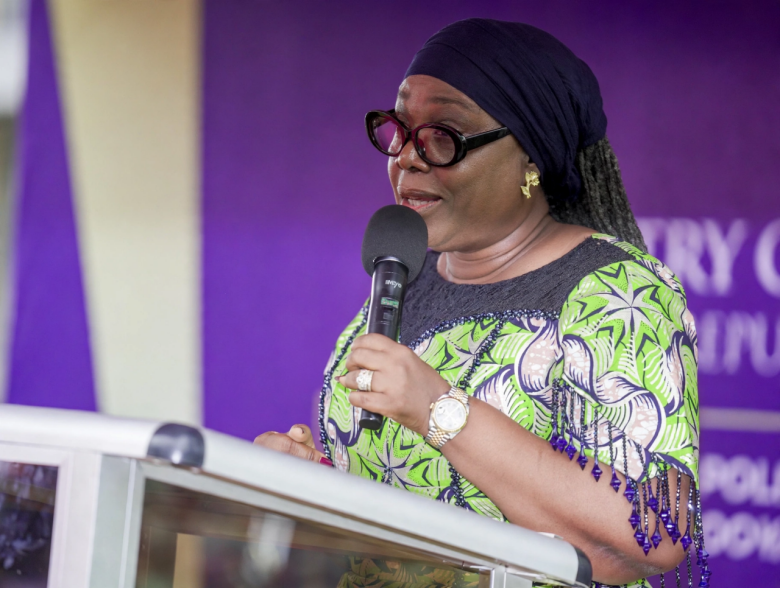
Delivering a special statement at the launch of the policy on Tuesday, November 17, 2026, Liberia’s Foreign Minister Sara Beysolow Nyanti called for a new diplomatic direction that places women’s empowerment, economic development, national sovereignty, and international cooperation at the center of Liberia’s engagement with the global community.
Minister Nyanti stressed the need for a foreign policy that reflects changing global realities while repositioning Liberia as an active contributor to international affairs.
She highlighted the policy’s feminist and inclusive character, stressing the importance of women’s participation in peacebuilding, national decision-making, and diplomatic engagements.
Liberia’s Historical Role in International Affairs
Minister Nyanti also underscored Liberia’s historical role in international affairs, particularly its contribution to African liberation, the establishment of the United Nations, and the historic involvement of Liberian women in the country’s peace process.
Economic Benefits and Global Peace
On economic diplomacy, she stressed that Liberia’s international relationships must translate into tangible benefits for citizens through increased investment, trade, development partnerships, and stronger economic cooperation.
She further called for Liberia to maximize its position on the United Nations Security Council to advance global peace, democratic governance, regional stability, and the interests of developing countries.
Collective Ownership of the New Foreign Policy
The Foreign Minister then emphasized that the success of the new policy requires collective ownership and participation from all sectors of society, including government institutions, the private sector, civil society organizations, women, and young people.
Reflecting Commitments Into Laws
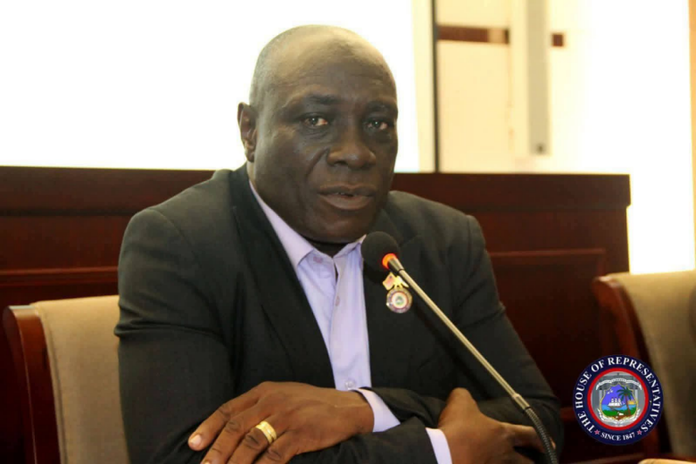
In remarks, the Chairman of the House Committee on Foreign Affairs, who spoke on behalf of the Legislature at the occasion, stressed that the credibility of Liberia’s international commitments be reflected in its national laws, policies, institutions, and development priorities, referencing the latest policy, which he indicated, provides an important opportunity to redefine how gender equality is integrated into Liberia’s international engagement.
Promoting Women and Girls’ Participation
The Nimba County Electoral District #3 lawmaker argued that women and girls must not remain passive beneficiaries of development, but rather be active participants in decision-making, diplomacy, peacebuilding, international trade, climate negotiations, and global governance.
He reaffirmed the Legislature’s commitment to seeing the full actualization of the feminist policy.
“The Legislature sees this policy as both an opportunity and a national responsibility. Our responsibility is to ensure that the principles articulated in it are translated into enforceable laws, appropriate budgetary allocations, effective oversight mechanisms, and strengthened institutions.”
“As the bridge between Liberia’s international commitments and the everyday realities of our people, we must ensure that the voices of women, girls, young people, persons with disabilities, rural communities, and other marginalized groups are represented in the formulation and implementation of policies that affect their lives.”
Legislative Action and Legal Reforms
Rep. Gaye urged the Executive to lead the way through as lawmakers stand ready to collaborate so as to ensure that the policy is accompanied by deliberate legislative action.
“We must develop a legal framework for the protection and advancement of women’s rights, which includes reviewing existing laws, identifying discriminatory provisions, addressing gaps in legal protection, and promoting legislation that guarantees equal opportunities and access to justice.”
Budgetary Support and Accountability
As Liberia continues to play a significant role in defining sustainable global solutions for peace and security, he called on members of both Houses of the Legislature ensure adequate budgetary support for this policy, adding that a policy without the necessary national resources risks becoming an expression of good intentions rather than an instrument of meaningful change.
“We must therefore scrutinize national budget allocations to ensure that gender equality priorities are adequately reflected in the financing of foreign affairs, education, health, economic empowerment, peacebuilding, and other relevant sectors.”
Women’s Contributions to Peacebuilding
In reaffirming the Legislature’s support for the policy, the Nimba County lawmaker recounted the significant role of the extraordinary contribuion of Liberian women to ending the civil conflict and rebuilding process.
Women’s Caucus Chair Frowns on Low Representation
For her part, Rep. Ellen Attoh-Wreh, Chairperson of the Women Legislative Caucus, highlighted the severe underrepresentation of women in Liberia’s legislature, where female lawmakers account for only 11 percent of the total body.
Despite continuous efforts, advocates have been unable to secure affirmative action policies or successfully amend key provisions within the nation’s election laws. The Margibi County District #3 Representative asserted that this low number leaves female politicians struggling to advance their legislative agenda within a male-dominated political environment that heavily depends on majority votes.
To address this disparity, the Women’s Legislative Caucus’ Chairperson urged the need for the establishment of formal accountability measures to ensure equitable gender representation in upcoming national budgets.
“Enjoying the peace we have today is something we must all value and protect. However, at the Legislature, we currently have only 11 women representing the interests of women across Liberia. Over the years, we have struggled to secure the passage of the Affirmative Action Bill, but to no avail. We have also made efforts to have Section 4.5 of the New Elections Law amended or to have a bill introduced to address the issue.”
But amid all odds, Chairperson Attoh-Wreh is positive that this policy will serve as a legal instrument to motivate their HeForShe partners in the Legislature to ensure increased women’s participation in decision-making and national leadership.
“We are not asking for more than we deserve. We are not asking for something we do not need, nor are we asking for something we have not earned. We have earned our place in society. You have felt it, and you continue to experience it.”
Call for Affirmative Action and Electoral Reforms
With Liberia having produced Africa’s first female president, followed by other countries, she dejected the country’s failure for the enactment of affirmative action or amendment of the New Elections Law to give women greater opportunities to continue serving, leading, and sustaining the peace.