CPIA workshop identifies weak governance and unreliable data as key barriers, as YEIB-MANCO CEO calls for establishment of National Data Center
By Charles G. Lamadine
Monrovia- The African Development Bank (AfDB) and the World Bank have called for stronger institutional performance, improved governance and reliable national data as critical measures to help Liberia secure increased concessional development financing.
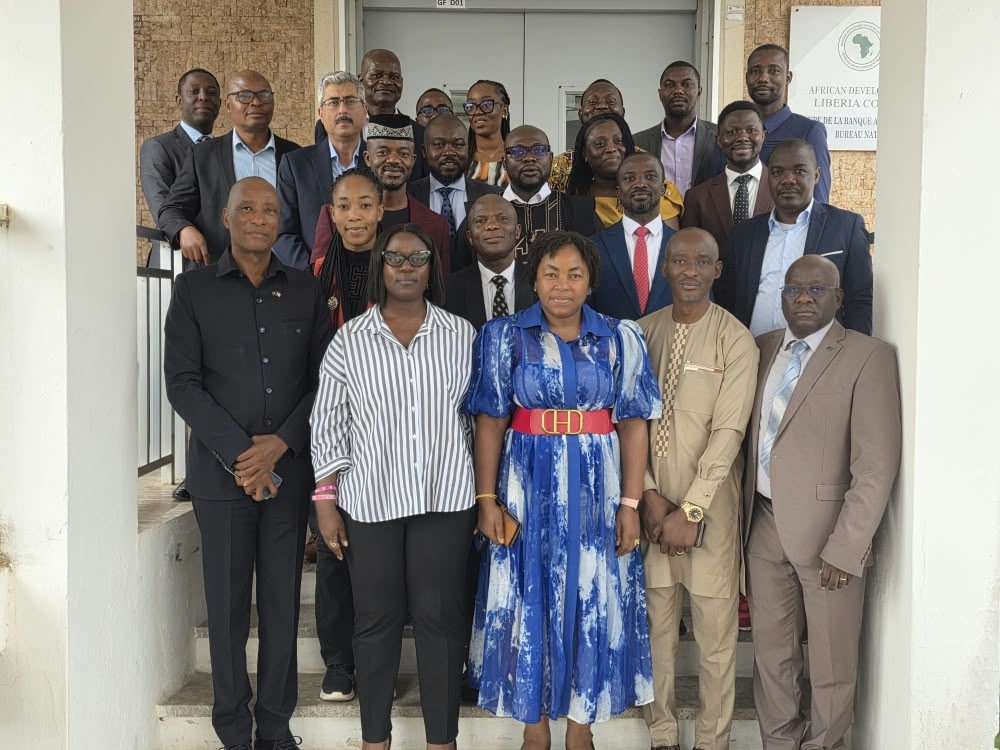
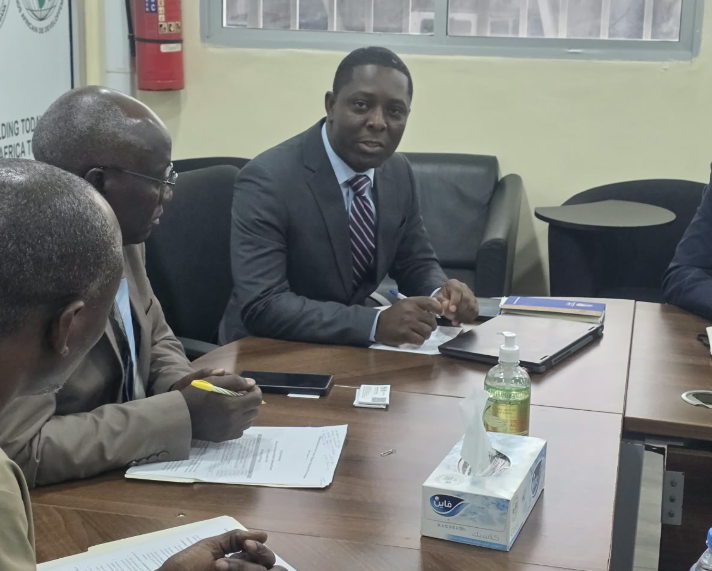
The call was made during a one-day high-level Country Policy and Institutional Assessment (CPIA) workshop hosted on Wednesday by the AfDB Liberia Country Office in collaboration with the World Bank Liberia Office.
The workshop brought together deputy ministers from the Ministry of Finance and Development Planning, Ministry of Agriculture and Ministry of Public Works, alongside senior officials of the Central Bank of Liberia (CBL), technical representatives of both development institutions, the Youth Entrepreneurship Investment Bank Management Company (YEIB-MANCO), and other government institutions and development partners.
The meeting focused on helping government officials understand the CPIA assessment process, examine Liberia’s current performance and identify reforms needed to improve the country’s ratings and access to concessional financing.
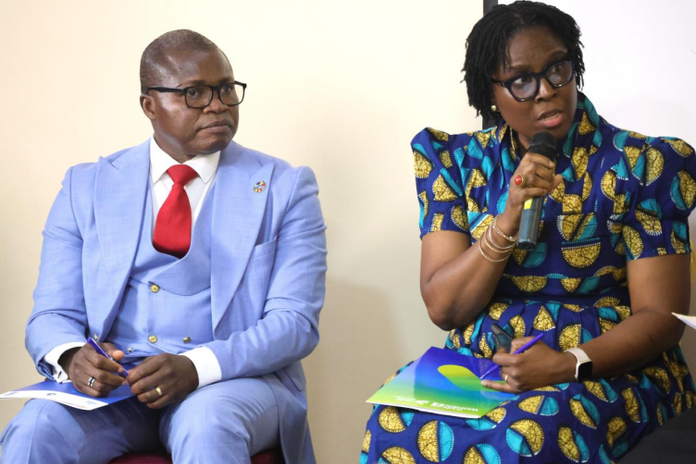
The workshop was moderated by AfDB Senior International Consultant, Dr. James Francis Davis, who described the CPIA as an important instrument for measuring the quality of a country’s policies and institutions in promoting economic growth and reducing poverty.
Dr. Davis explained that the assessment forms the foundation of the AfDB’s Performance-Based Allocation (PBA) system, which determines how a significant portion of the African Development Fund’s (ADF) concessional resources is distributed among 37 eligible African countries.
He noted that countries with stronger policies and institutions generally receive greater access to concessional financing, making the CPIA more than a technical assessment exercise.
According to him, Liberia’s performance under the assessment directly influences the volume of development financing it can access and also serves as an important reference for bilateral donors and international development partners.
Liberia’s CPIA Performance Under Review
Presentations during the workshop highlighted the differences and similarities between the AfDB and World Bank assessment frameworks.
While both institutions use nearly identical CPIA methodologies, they independently assess countries to determine their respective concessional financing allocations.
The AfDB presented its assessment methodology and recent scores for Liberia, explaining the relationship between the country’s performance and its allocation under the ADF.
The World Bank, meanwhile, outlined its assessment framework and explained how the ratings influence financing available to Liberia through the International Development Association (IDA).
The CPIA measures the quality of a country’s policies and institutions on a scale of one to six, with one representing the lowest performance and six the highest.
The AfDB framework comprises six clusters and 18 criteria, including an additional cluster on Regional Integration. Unlike the World Bank, which conducts its assessment annually, the AfDB carries out its CPIA assessment every two years.
Data presented at the workshop showed improvements in Liberia’s economic management, particularly in monetary policy, whose AfDB score increased from 3.5 in 2020 to 5.0 in 2025. Fiscal policy maintained a score of 4.0.
However, governance and other institutional performance indicators remain below regional averages, requiring further reforms and sustained government attention.
The World Bank’s assessment placed Liberia’s overall CPIA score at 3.0, with Public Sector Management and Governance recording the weakest performance at 2.6, compared with 3.3 for Economic Management.
Presenters emphasized the financial implications of these ratings, noting that a 0.1-point improvement in Liberia’s overall CPIA score could increase the country’s IDA allocation by approximately 10 to 13 percent.
The workshop also highlighted developments in Liberia’s Debt Sustainability Assessment (DSA), which has indicated an improvement in the country’s debt-carrying capacity from weak to medium.
However, participants were informed that two consecutive positive assessments are required before the improvement can be formally confirmed.
Workshop Recommends Inter-Ministerial Committee
To improve Liberia’s performance, the workshop recommended the establishment of an Inter-Ministerial Committee to coordinate and lead the national CPIA process.
It also called for the preparation of a detailed action matrix covering each CPIA cluster, with measurable targets, clearly assigned institutional responsibilities and implementation timelines.
The proposed committee would be required to report progress monthly or every two months to the Minister of Finance and Development Planning.
Another major recommendation was increased investment in institutions responsible for producing national statistics and ensuring that reliable, up-to-date information is accessible through official government websites.
Participants identified weak data collection, documentation and accessibility as significant obstacles to Liberia’s performance in international assessments.
Rwanda was cited as an example of a country that has made the CPIA an integral part of routine government performance management, contributing to stronger institutional ratings.
YEIB-MANCO CEO Calls for National Data Center
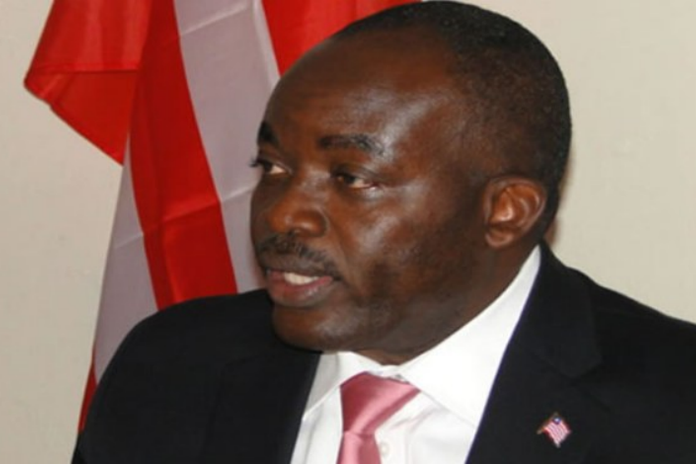
Meanwhile, the Chief Executive Officer of the Youth Entrepreneurship Investment Bank Management Company (YEIB-MANCO), Joseph Fatorma Sando, has called for the establishment of a National Data Center to strengthen Liberia’s data collection, verification and management systems.
Delivering the institution’s statement, Mr. Sando urged the AfDB and World Bank to support the Government of Liberia in establishing a coordinated national data management system that would improve the timely collection and accessibility of credible information across ministries, agencies and public institutions.
He argued that the absence of reliable and verifiable data could negatively affect Liberia’s performance in international institutional assessments, regardless of the progress being made by government institutions.
“A Data Center Coordinator in every ministry, agency and parastatal will minimise the challenges currently affecting the country’s rating, which has a significant impact on economic decisions and investors’ attraction,” Sando stated.
He explained that a coordinated data management system would help Liberia improve its institutional ratings, strengthen its eligibility for concessional financing from the ADF and IDA, and build a stronger investment profile.
“Liberia is doing a lot, but if what we are doing is not documented, verified and made accessible in a timely manner, it will not count in these assessments,” he emphasized.
Sando further maintained that improved data management would strengthen government accountability and provide development partners and investors with credible evidence of the country’s progress.
Why the CPIA Matters to YEIB-MANCO
The workshop also holds strategic importance for YEIB-MANCO, which receives financing from the AfDB under the Program for Advancing Youth Entrepreneurship Investment (PAYEI).
According to the institution, improved CPIA performance could create greater opportunities for development financing and support the expansion of its three principal funding windows: the Investment Fund, Credit Guarantee Fund and Technical Assistance Fund.
YEIB-MANCO also noted that its institutional performance, particularly in procurement, disbursement, auditing and governance, contributes to the broader assessment of Liberia’s AfDB-supported development portfolio.
The institution said its growing database, which includes 1,124 applicants, information on women-owned businesses, financing requirements and employment creation, could provide useful evidence of progress in the country’s youth entrepreneurship sector.
It further highlighted its contribution to regional integration through support for businesses engaged in cross-border trade.
As a non-bank financial institution licensed by the Central Bank of Liberia, YEIB-MANCO said it recognizes the importance of maintaining strong standards of transparency, accountability and fund management.
YEIB-MANCO Pledges Support for Government Reform Efforts
Speaking at the close of the workshop, Sando reaffirmed the institution’s commitment to strengthening its internal governance, operational performance and data management systems to support Liberia’s broader development objectives.
“The CPIA shows clearly that the strength of our institutions determines how much development Liberia can attract. At YEIB, we will continue to strengthen our governance, delivery and data systems so that we contribute to better scores and unlock more financing for young Liberian entrepreneurs,” he said.
He also expressed YEIB-MANCO’s readiness to support any government-led CPIA coordination initiative, including serving as a pilot institution and data partner for private-sector and youth entrepreneurship indicators.
About YEIB-MANCO
The Youth Entrepreneurship Investment Bank Management Company (YEIB-MANCO) is a non-bank development finance institution licensed by the Central Bank of Liberia and financed by the African Development Bank.
Through its Investment Fund, Credit Guarantee Fund and Technical Assistance Fund, the institution provides financing and business development support to youth-led micro, small and medium-sized enterprises across Liberia, with a stated target of reaching 30,000 young entrepreneurs.
Support Independent Journalism
Your support helps FrontPage Africa continue delivering independent, credible, and impactful journalism. Every contribution strengthens our ability to investigate, inform, and hold power accountable while keeping quality journalism accessible to our readers.
Support our journalism or subscribe to receive the latest FrontPage Africa stories and updates.