The Forestry Training Institute is seeking an increase in government funding to improve staff compensation, upgrade student accommodation and strengthen practical training as enrollment at the institution rises above 200 students.
By Franklin Doloquee
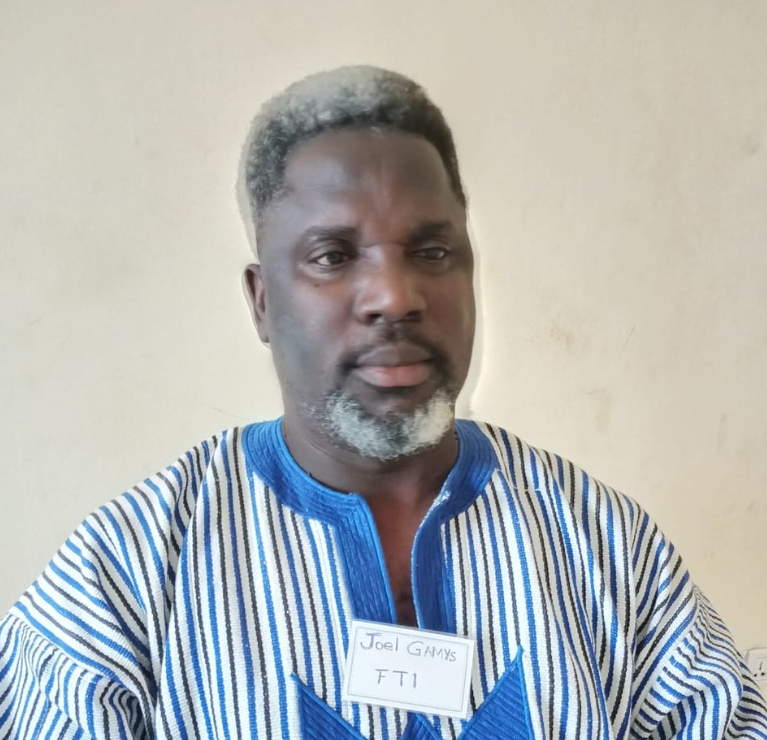
FTI Executive Director Joel Gamys made the appeal during a two-day workshop organized by the National Commission on Higher Education (NCHE) for public universities and colleges across Liberia.
Speaking during a joint media interview, Gamys said the institution currently operates on a budget of slightly more than US$300,000, but needs between US$500,000 and US$600,000 to adequately address its staffing and operational needs.
“Our budget is very low,” Gamys asserted, explaining that several essential operational needs are not adequately covered by the institution’s current allocation.
The funding shortfall comes as FTI, which trains middle-level technicians in sustainable forest management and biodiversity conservation, experiences growing demand for its programs. Established in 1976 by the Mano River Union, the institute offers a two-year General Forestry diploma with concentrations in conservation forestry, community forestry and commercial forestry.
It also offers a one-year program in geo-informatics.
Rising Enrollment, More Women
Gamys disclosed that FTI currently has about 200 students, with additional enrollment coming from former diploma graduates returning to complete research requirements for associate degrees.
When the current administration took over, enrollment stood at roughly 80 students per year.
The increase reflects both growing interest in forestry education and the institution’s expanded academic offerings.
Female participation has also increased.
According to Gamys, women previously accounted for approximately 12 percent of student intake, but some recent intakes now approach an equal split between female and male students.
Women have also led FTI’s two most recent graduating classes a development Gamys described as evidence of their growing role in forestry education and the broader natural-resources sector.
Aging Facilities, Land Pressure
Despite the enrollment gains, FTI continues to face serious infrastructure and staffing challenges.
Gamys identified aging dormitories as one of the institution’s most urgent concerns.
He said the existing facilities have an outdated layout that requires students to leave their sleeping quarters to access bathroom facilities.
The arrangement, he stated, raises particular concerns where male and female students share the same dormitory building.
The institute is also struggling to protect its unfenced campus from encroachment.
FTI has surveyed its land and consulted county authorities, who recommended fencing the property.
However, with a perimeter estimated at approximately 9,000 feet, the proposed fencing project would be costly.
The institution is now engaging the government for possible support.
Recruiting and retaining qualified staff remains another challenge. Gamys said FTI must follow government recruitment procedures while also ensuring that prospective employees receive adequate compensation to compete for skilled professionals.
Field Training Requires Transport
Gamys also appealed for a bus to support field trips, describing transportation as essential to FTI’s teaching model.
According to the executive director, the curriculum consists of 35 percent classroom instruction and 65 percent practical training. Much of that practical work requires students to travel beyond the campus to conservation areas, community forests and other field locations.
“Community is not on the campus,” Gamys said, emphasizing that students must visit forest communities to acquire the practical skills relevant to their studies.
Field-based learning is central to FTI’s mission.
Beyond its diploma programs, the institute also conducts short-term training and annual refresher courses for Forestry Development Authority rangers working in protected areas across Liberia.
Strategic Plan Drives Progress
Gamys attributed several recent institutional improvements to FTI’s strategic plan, which began in 2022 and runs through 2027.
Among the achievements cited was accreditation from the National Commission on Higher Education, allowing the institution to award associate degrees rather than only diplomas.
The executive director also said FTI has signed a memorandum of understanding with the University of Liberia.
Under the agreement, FTI graduates can continue their studies at the university without taking another entrance examination, while their academic credits are recognized.
Partnerships with nongovernmental organizations and government institutions in the forestry and environmental sectors have also expanded internship opportunities.
Gamys said some students have secured employment with host organizations after completing their placements.
Government Support Needed
The appeal for increased funding comes amid broader efforts to strengthen Liberia’s public higher-education institutions.
Recent NCHE and UNDP discussions have emphasized the need for improved financial management, institutional planning, resource mobilization and stronger partnerships as public institutions prepare for rising enrollment.
Government budget documents also acknowledge persistent gaps at FTI, particularly in accommodation facilities, office space, and additional classrooms.
The Ministry of Finance and Development Planning has noted that construction projects alone are insufficient without furniture and other resources needed to make the facilities functional.
In closing, Gamys urged the government to give greater attention to FTI, stressing the importance of trained forestry technicians to national development, environmental protection, and sustainable management of Liberia’s forests.
Despite the challenges, he said the institution remains committed to improving its programs, with the goal of making FTI “second to none” in its field.
Support Independent Journalism
Your support helps FrontPage Africa continue delivering independent, credible, and impactful journalism. Every contribution strengthens our ability to investigate, inform, and hold power accountable while keeping quality journalism accessible to our readers.
Support our journalism or subscribe to receive the latest FrontPage Africa stories and updates.