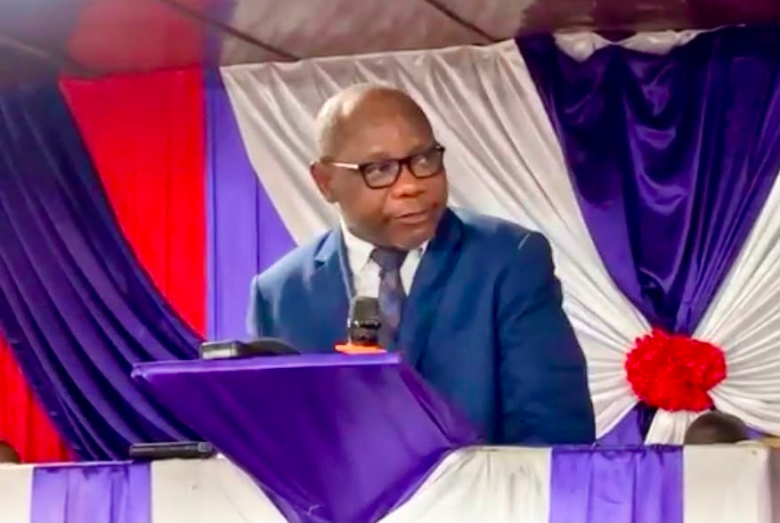
MONROVIA — Former Finance and Development Planning Minister Samuel Tweah has warned that Liberia’s failure to provide quality education to its citizens could evolve into a national security threat, cautioning against efforts to lower academic standards simply to increase pass rates.
By Obediah Johnson
Tweah said that while successive governments have made efforts to expand access to education, the quality of education remains a major concern, particularly amid what he described as a declining appetite for knowledge among young Liberians.
He specifically criticized the lowering of passing standards for public examinations, including the West African Senior School Certificate Examination (WASSCE) and university entrance examinations, arguing that reducing academic thresholds could undermine the future of Liberian students.
“This education challenge must be declared a national security [issue] by this government or any government because if the children of this country are not educated, there is a national security risk for the future,” Tweah said.
“If we lower the standard so that more people can pass WASSCE or UL entrance, we are hurting the future of the country.”
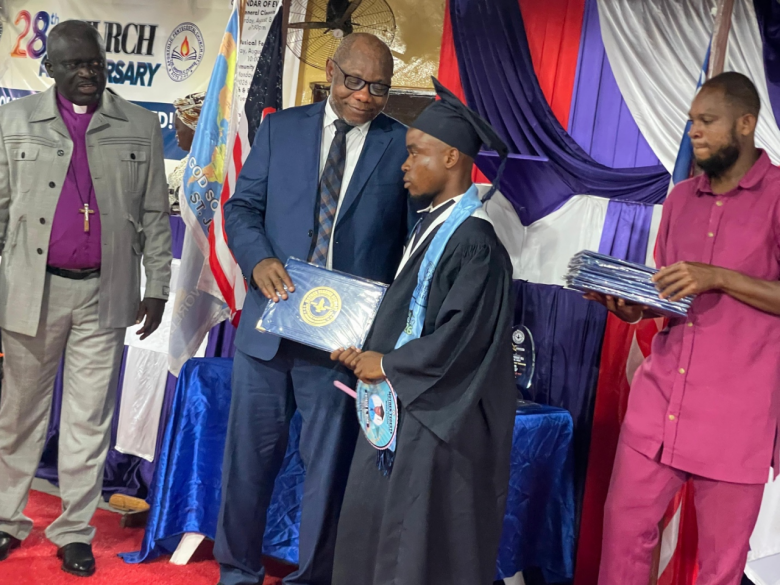
Tweah made the remarks over the weekend while delivering the keynote address at the closing and graduation ceremony of the Mother Tegeste Stewart School in Brewerville, outside Monrovia.
‘Accommodating System’
Tweah argued that Liberia’s education system risks becoming too accommodating to students who have not met the required academic standards.
He said many students have developed a habit of “by-passing the system” rather than putting in the necessary effort to study, calling for stronger academic checkpoints to ensure students meet required standards before advancing.
“The reason why somebody can pass WASSCE and not UL entrance is because they are not studying and the system is accommodative,” he said. “Accommodative system is a threat to our national security and the future of our children.”
Tweah said Liberia should focus not only on getting children into schools but also on ensuring that they receive an education capable of preparing them for university, employment and national development.
“If you start accommodation in education, you will be accommodated throughout your life,” he said. “We talk about corruption in the country, but the worst place to do corruption is with the mind.”
He further warned that compromising academic standards could increase the number of young Liberians leaving the education system without the knowledge and skills required to compete.
Tweah also questioned what he described as a disparity between students’ performance in WASSCE and their subsequent performance in university entrance examinations.
“Why would most students pass WASSCE but when those same students sit the University of Liberia [entrance examination], they don’t meet the same high threshold? What is happening in this country?” he asked.
Access Versus Quality
While acknowledging government efforts to expand access to education, Tweah said access alone would not address Liberia’s educational challenges unless greater attention was paid to quality.
He called for increased government investment in education, including funding for school construction and teacher training, in line with Liberia’s commitments under the Maputo Declaration.
Tweah also called for the construction of a community college in Montserrado County’s District 17, arguing that additional educational opportunities are needed to serve communities outside central Monrovia.
He said the government’s education agenda should strike a balance between expanding access and maintaining standards.
“Though government is striving to provide access to education for all citizens, the quality of the education being rendered must be its major concern,” he said.
‘Appetite for Prosperity’
Tweah said Liberia is facing a broader cultural challenge in which the desire for material prosperity appears to be outpacing the desire for knowledge.
“The appetite for knowledge is declining in Liberia, while the appetite for prosperity and good life is increasing,” he said.
He urged students to prioritize learning and resist pressures to compromise their education for short-term pleasure.
Addressing the graduates, Tweah said academic performance at graduation should not determine the limits of their future.
“You can graduate at the bottom of this class and you can excel beyond the valedictorian who is standing here in the next 10 years because of the choice you will make today,” he said.
He encouraged the graduates to take advantage of opportunities presented by the digital age and to make sound decisions throughout their educational and professional journeys.
Parents, Teachers Warned
Tweah also cautioned parents against seeking undue favors from school administrators and teachers to secure passing grades for their children.
He argued that such practices could contribute to the erosion of academic standards and ultimately harm students.
He also warned school owners and teachers against manipulating grades, saying corruption in education could have long-term consequences for Liberia’s development.
Tweah suggested that schools consider evaluation systems that limit students’ knowledge of who is responsible for assigning their grades, which he said could help reduce opportunities for academic manipulation.
Bishop Brown Calls for Discipline
For his part, the proprietor of Mother Tegeste Stewart School, Bishop Kortu Brown, urged the graduates to remain disciplined and God-fearing as they pursue their future goals.
Brown encouraged the graduates to be grateful for completing another stage of their educational journey and urged Liberians to continue peacefully coexisting and working together to address national challenges.
He also called for continued improvement in Liberia’s education system to enable Liberian students to compete with their peers across Africa and globally.
About 42 students who successfully passed the WASSCE graduated from the school.
Support Independent Journalism
Your support helps FrontPage Africa continue delivering independent, credible, and impactful journalism. Every contribution strengthens our ability to investigate, inform, and hold power accountable while keeping quality journalism accessible to our readers.
Support our journalism or subscribe to receive the latest FrontPage Africa stories and updates.