In advance of the National Non-Performing Loan (NPL) Resolution Conference (September 9–11, 2026, EJS Ministerial Complex, Monrovia)
By Paul Columbus Collins [email protected]
As Liberia’s financial leaders assemble for the National Non-Performing Loan (NPL) Resolution Conference, public attention is focused on bank balance sheets and high default ratios. However, treating NPLs purely as a moral failure of debtors ignores systemic creditor-side distortions and the lack of a modern, protective insolvency framework. This op-ed advocates for statutory debt discharge (“fresh start” mechanisms similar to US bankruptcy laws), penalty caps, and shared lender accountability to restore productive capital to Liberia’s economy.
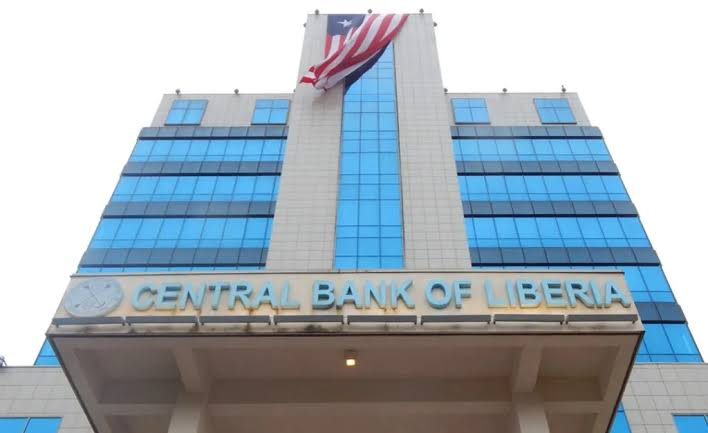
When financial leaders gather in Monrovia, the central narrative dominating the discourse is predictable: commercial bank balance sheets are burdened by non-performing loans, NPL ratios remain well above the Central Bank of Liberia’s (CBL) 10% regulatory ceiling, and delinquent borrowers are to blame. For years, the prevailing policy stance has leaned on a single, unbalanced premise—that non-performing debt is solely the result of dishonest borrowers exploiting weak court enforcement.
While strategic, bad-faith defaulters must be isolated and penalized, this framing masks a critical macroeconomic reality: a vast portion of Liberia’s NPL stock is manufactured by predatory loan terms, compounding default penalties, and the total absence of statutory debt-discharge mechanisms for honest, insolvent entities.
Consider the structural cycle of an average Liberian enterprise—a local trade firm, contractor, or agricultural producer. When a business encounters a cash-flow shock, commercial banks routinely trigger default penalty margins (3%–5% above high base rates), flat default charges, and legal fees. Within months, these accrued penalties eclipse the original principal balance, making repayment mathematically impossible relative to the firm’s cash flows.
Worse, when banks attempt out-of-court “restructurings,” they frequently roll these accumulated late fees and back-interest into the new principal balance. Capitalizing penalties into new facilities does not restore solvency; it guarantees a second, permanent default.
In mature economies like the United States, insolvency is recognized not as a moral crime, but as an economic reality. Systems like Chapter 7 (Liquidation with Asset Protections) and Chapter 11/13 (Reorganization & Debt Adjustment) operate on a foundational legal doctrine: The Fresh Start.
Under a modern insolvency framework, when an honest borrower—individual or corporate—becomes verifiably insolvent due to macroeconomic shocks, medical crises, or business failure, the legal system provides structured relief:
- Halts all aggressive collection, penalty accumulation, and asset seizure the moment insolvency is declared.
- Unsecured debt that cannot be serviced after a structured liquidation or repayment plan is legally erased. The borrower is released from the debt burden permanently.
- Key personal and operational tools required to earn a living are protected from liquidation, ensuring the debtor is not reduced to absolute destitution.
- Businesses shed unviable debt burdens, reorganize balance sheets, and continue operating, preserving jobs and tax revenues.
In Liberia, the absence of accessible corporate reorganization and debt-discharge options leaves honest, insolvent borrowers trapped in perpetual financial ruin. They are permanently locked out of the banking sector, forcing productive entrepreneurs into the informal economy or total collapse. Economic development cannot occur when honest failure results in a lifetime economic sentence.
Lenders are not passive victims in this crisis. A critical evaluation of commercial banking in Liberia exposes operational mismatches that actively induce defaults:
| Creditor Practice | Operational Impact on Borrower | Economic Consequence |
| Unrealistic Short Tenors | 12- to 24-month loans issued for capital investments or agriculture that require 3–5 years to yield returns. | Guaranteed default as debt service outpaces early-stage cash flow. |
| Disbursement Lags | Credit released weeks or months after seasonal trade or planting windows close. | Project failure before commercial operations even begin. |
| Unsanctioned Kickbacks | Upfront fee extractions by credit officers quietly siphoning principal. | Immediate reduction in operational capital needed for revenue generation. |
| Government Vendor Delays | Public contract payments delayed for months, stranding private contractors. | Cascading defaults caused directly by public sector fiscal delays. |
To establish a balanced, win-win financial environment, conference delegates must champion four structural reforms:
- Operationalize Chapter 8 of the Liberian Commercial Code to provide structured, court-supervised debt discharge (“fresh start”) for honest, insolvent borrowers, allowing uncollectible debt to be legally erased rather than endlessly compounded.
- Central Bank guidelines must mandate that total accrued default interest and penalty charges can never exceed 100% of the original principal balance.
- Workout agreements must mandate that all debtor payments clear original principal first before any accrued charges are satisfied.
- Establish formal clearing mechanisms between the Ministry of Finance & Development Planning (MFDP), the CBL, commercial lenders, and public vendors to offset state arrears directly against contractor bank debts.
Mass foreclosure, perpetual debt traps, and endless litigation do not build national wealth—they destroy jobs, erode tax revenues, and shrink the economy. True financial sector stability does not mean insulating banks from credit risk while burying local enterprise under compounding penalties. It requires shared accountability, statutory debt relief, and structured insolvency frameworks that give honest Liberian entrepreneurs a real second chance to build, produce, and succeed.
Support Independent Journalism
Your support helps FrontPage Africa continue delivering independent, credible, and impactful journalism. Every contribution strengthens our ability to investigate, inform, and hold power accountable while keeping quality journalism accessible to our readers.
Support our journalism or subscribe to receive the latest FrontPage Africa stories and updates.