
A Follow-Up Commentary in Advance of the National Non-Performing Loan (NPL) Resolution Conference (September 9–11, 2026, Monrovia)
By Paul Columbus Collins
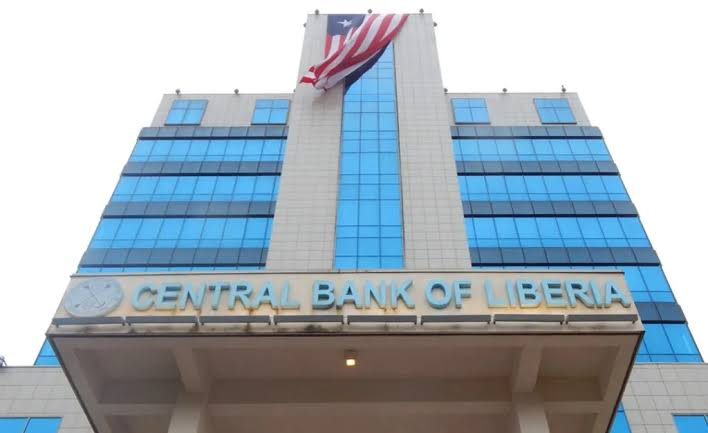
As the Central Bank of Liberia unveils its panelist lineup for the National NPL Resolution Conference, a troubling pattern emerges: the agenda is heavily dominated by the architects, operators, and regulators of the very banking system that generated the current crisis. By excluding the voices of distressed borrowers, MSMEs, and consumer advocates, the conference risks becoming an echo chamber advocating for harsher supply-side penalties. This commentary argues that supply-side enforcement alone drives informalization and cash hoarding, and calls for demand-side rehabilitative solutions, consumer protection, and a balanced dialogic framework.
With the release of the official speaker and panelist profiles for the National Non-Performing Loan (NPL) Resolution Conference, the nation is presented with a glaring structural oversight. The stage is set almost exclusively for the architects, regulators, and commercial managers of Liberia’s existing banking framework. The very operators who designed, managed, and oversaw a credit system now crippled by double-digit default rates are slated to lecture the public on how banking ought to be done.
This configuration signals a one-directional monologue. Instead of a genuine national dialogue on structural economic reform, the audience is positioned to receive lectures justifying a system that has demonstrably failed both creditors and debtors. Without representatives from the “other side of the aisle”—distressed enterprise owners, microfinance victims, consumer rights organizations, and legal advocates for debtors—the conference threatens to produce a singular, predictable prescription: more enforcement, higher penalties, and harsher punishment.
For decades, Liberia’s approach to bad debt has relied on a purely supply-side enforcement model—the belief that the sole solution to non-performing loans is to make the system more punitive, tighten collateral seizures, and shorten execution windows through mechanisms like the Commercial Court. Yet, historical evidence shows that doubling down on supply-side coercion has produced the exact opposite of financial stability:
- As credit practices grow increasingly predatory and judicial enforcement becomes draconian, micro-entrepreneurs and formal businesses intentionally retreat into unbanked, cash-led operations to insulate their liquidity from arbitrary asset seizures.
- Exorbitant late fees, double-digit default interest margins, and non-negotiable repayment structures mathematically guarantee default rather than incentivizing recovery, feeding the system’s high NPL stock.
- The perceived absence of basic consumer protections turns financial institutions into perceived adversaries rather than development partners, shrinking bank deposits and deepening credit contraction.
While commercial banks struggle with high-end corporate defaults, microfinance institutions (MFIs) operating at the retail level have adopted particularly ruthless, high-velocity collection tactics. Small traders, market women, and micro-enterprises are subjected to non-negotiable contracts, rigid weekly collection cycles that ignore seasonal disruptions, and astronomical effective interest rates.
Compounding this is the operational reality of the Commercial Court. Originally conceived to expedite business disputes, the court has frequently functioned as an instrument of asymmetric leverage—forcing insolvent small-business owners into choice-less dilemmas: surrender basic productive tools, pay unsustainable penalty levies, or face civil imprisonment. This setup leaves zero room for rehabilitation, financial restructuring, or a “fresh start.”
| Dimension | Supply-Side Resolution (Current Status Quo) | Demand-Side Resolution (Proposed Reform) |
| Primary Mechanism | Harsher penalties, accelerated asset foreclosures, and aggressive judicial litigation. | Debt restructuring, statutory penalty caps, consumer protection, and “fresh start” debt discharge. |
| Impact on NPLs | Perpetuates default cycles by inflating debt balances beyond actual repayment capacity. | Lowers NPL stocks organically by aligning debt service with real cash-flow affordability. |
| Economic Behavior | Drives business into the informal sector and increases unbanked, cash-led transactions. | Encourages formalization, restores banking deposits, and increases credit velocity. |
| Borrower Welfare | Pushes distressed entrepreneurs into permanent insolvency, asset loss, or jail. | Provides rehabilitation, preserving productive enterprises, employment, and living standards. |
If the National NPL Resolution Conference is to yield sustainable economic results rather than academic platitudes, the Central Bank of Liberia and conference organizers must immediately widen the table:
- Reconfigure panel configuration to include consumer rights advocates, representatives from the Liberia Business Association (LIBA), MSME union leaders, and insolvency legal experts to ensure two-sided representation.
- Establish an enforceable consumer protection framework that introduces strict regulatory limits on predatory microfinance rates, ban upfront staff kickbacks, and mandate transparent, plain-language loan contracts.
- Enact demand-side rehabilitative laws that provide statutory out-of-court debt workout guidelines and “fresh start” corporate restructuring statutes that allow honest, insolvent debtors to shed bad debt and re-enter the formal financial system.
A banking system that operates solely through punishment is ultimately self-defeating. When a system treats every default as a moral crime while ignoring its own predatory terms, it starves the broader economy of productive energy. True financial sector stability will not emerge from more effective punishment; it will emerge when Liberia creates a balanced financial ecosystem that protects creditors’ capital while giving honest borrowers the rehabilitative space to survive, recover, and grow.
Support Independent Journalism
Your support helps FrontPage Africa continue delivering independent, credible, and impactful journalism. Every contribution strengthens our ability to investigate, inform, and hold power accountable while keeping quality journalism accessible to our readers.
Support our journalism or subscribe to receive the latest FrontPage Africa stories and updates.