Monrovia – The Liberia Petroleum Refining Corporation (LPRC), under its new Managing Director, Amos Tweh, has implemented key measures to revitalize Liberia’s oil and gas sector and alleviate the economic strain caused by the scarcity and high prices of petroleum products. These initiatives aim to reduce the cost of living for Liberians by ensuring a steady supply of affordable fuel.
By Obediah Johnson, [email protected]
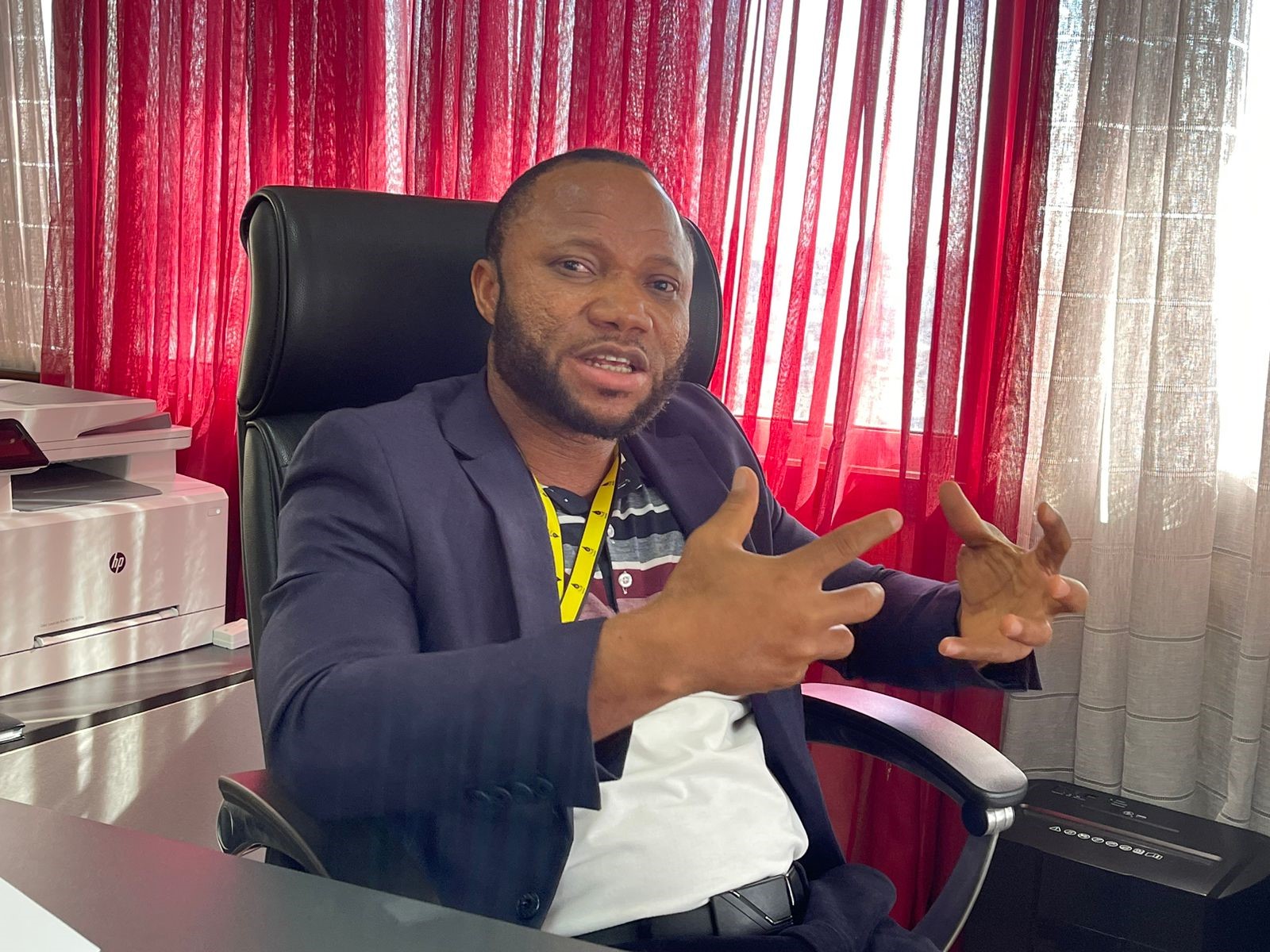
In an exclusive interview with FrontPage Africa, Tweh outlined the steps his administration has taken to reposition LPRC. He emphasized that the corporation is executing President Joseph Boakai’s mandate to make petroleum products consistently available and affordable. “We are working to eliminate the past practices where previous managements allegedly colluded with importers to manipulate prices,” Tweh said.
Employee Motivation and Structural Reforms
Tweh noted that when he assumed office, employees were demotivated due to a lack of incentives, salary increments, or promotions. To address this, the new management has increased salaries and promoted staff based on merit, regardless of political affiliations.
Ending MEDTECH’s Role and Removing Surcharges
One of the most significant decisions by Tweh’s administration was the cancellation of the controversial MEDTECH pre-shipment inspection process for petroleum products. “MEDTECH’s operations were not beneficial to the government or consumers,” Tweh explained. In addition, the surcharge on petroleum products was removed, which had an immediate effect on lowering the pump prices of fuel. Gasoline prices dropped from US$4.47 per gallon to US$3.98, and diesel from US$5.22 to US$4.18, bringing much-needed relief to citizens.
LPRC’s Return to Petroleum Importation
Tweh highlighted that LPRC, which has a statutory mandate to import petroleum products, has re-entered the market after decades of reliance on private importers. The corporation has already secured an agreement with an international supplier, with the first consignment expected by the end of 2024. This move is aimed at increasing Liberia’s strategic fuel reserves and stabilizing the local market.
Expansion into Lubricants
LPRC is also preparing to enter the lubricants market, partnering with international suppliers to import high-grade products. “We will not be retailing these products directly but will ensure they are available in the market through strategic partnerships,” Tweh said.
Tackling Corruption and Mismanagement
Tweh assured that his administration has adopted a zero-tolerance policy on corruption. “Several senior managers have already been suspended or dismissed for alleged corruption, with some cases forwarded to court for prosecution,” he revealed. Tweh reiterated that even employees who supported President Boakai’s election campaign would face consequences if found guilty of misconduct.
Increasing Storage Capacity and Revenue
Addressing LPRC’s limited storage capacity, Tweh shared that the corporation renegotiated a loan agreement with ECOBANK Liberia to build a 17,000 cubic meter storage facility. The interest rate on the loan was reduced from 11% to 9% after extensive negotiations. Tweh also disclosed that despite challenges, LPRC has increased its contributions to the national budget, remitting nearly US$3 million, a significant jump from the previous administration’s contributions.
Auditing and Accountability
Tweh emphasized LPRC’s commitment to implementing recommendations from audit reports by the General Auditing Commission (GAC). An internal Audit Recommendations Implementation Committee has been established to ensure proper follow-up on audit findings. Tweh also mentioned ongoing audits into past contracts and financial operations at the corporation, including a contract between LPRC and Bea Mountain Mining Company (BMMC).
Decentralization and Future Plans
LPRC is exploring decentralizing its petroleum supply operations, particularly at the Ganta Oil Terminal in Nimba County. Feasibility studies are underway, and discussions are being held with potential investors to expand operations.
Looking ahead, Tweh outlined plans for LPRC to establish a refinery and expand its storage capacity, with the goal of securing Liberia’s fuel supply and reducing the risk of shortages.
Challenges and Regulatory Coordination
Tweh acknowledged challenges in aligning various agencies’ responses to fuel price reductions. He called for improved coordination between LPRC and the Ministry of Transport to ensure timely reductions in transportation fares when fuel prices decrease.
The LPRC’s efforts under Tweh’s leadership have been praised by some as necessary steps toward restoring public confidence in Liberia’s petroleum sector and addressing longstanding issues related to fuel availability and pricing. However, as the corporation moves forward, much will depend on its ability to maintain transparency, root out corruption, and foster cooperation among key stakeholders.
Support Independent Journalism
Your support helps FrontPage Africa continue delivering independent, credible, and impactful journalism. Every contribution strengthens our ability to investigate, inform, and hold power accountable while keeping quality journalism accessible to our readers.
Support our journalism or subscribe to receive the latest FrontPage Africa stories and updates.