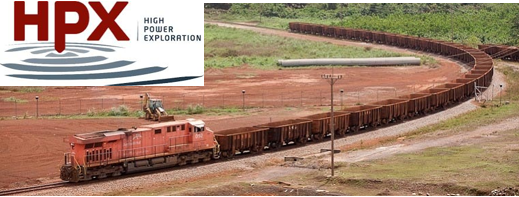
Monrovia – In a troubling turn of events, High-Power Exploration Inc. (HPX) has announced its intent to provide financial support for the establishment and initial operations of a National Rail Authority (NRA) in Liberia, all without a valid, ratified agreement from the country’s legislative body.
By Selma Lomax [email protected] & Yaway Jaivey
This move raises serious concerns, given HPX’s prior controversial history in Liberia, where the company was criticized for entering into an illegal rail use framework agreement in February 2022. The lack of legislative approval for that agreement brought significant local and international condemnation, casting a long shadow over HPX’s current intentions.
Earlier this year, in February, HPX signed a letter of intent with the Liberian government to finance a multi-billion dollar “Liberty Corridor” project, in collaboration with South Africa’s Guma Group, which was accompanied by widespread doubts that the company could deliver on such commitment, especially, since the company’s announced US$2 billion for operating the Guinean mine.
The ambitious plan includes the construction of a new railway from northern Liberia to a modern deep-water port on the coast. The project, estimated to cost between $3 billion and $5 billion, was unveiled during a ceremony attended by President Joseph Boakai, HPX Chairman Robert Friedland, and Guma Group’s founder, South African billionaire, Robert Gumede.
Despite these commitments, many observers have been left questioning HPX’s actual intentions with its deep interest in the establishment of the National Rail Authority (NRA) when in fact, the timeline and deployment schedule for commencement of the proposed Liberty Corridor is yet to be seen. HPX’s intentions would make a lot more sense if the company had an existing stake in either the mining or rail transportation sectors in Liberia; which is not the case.
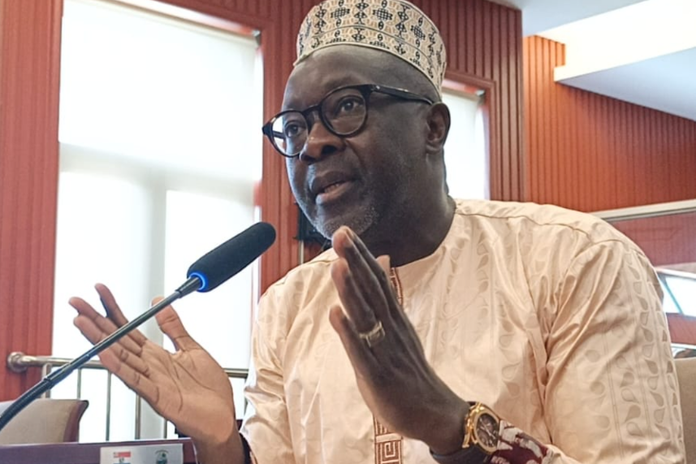
Notwithstanding, in a follow-up letter on HPX access and concession agreement obtained by FrontPage Africa, addressed to Hon. Jeff Blibo, Chairman of the National Investment Commission (NIC), HPX President and CEO, Bronwyn Barnes, confirmed the company’s willingness to offer budgetary assistance through a structured payment arrangement.
Ms. Barnes said the initiative is intended to ensure that the NRA is equipped with the necessary financial resources to manage the country’s rail infrastructure fairly and transparently, adhering to international industry standards.
The HPX boss emphasized that HPX’s support demonstrates the company’s commitment to aiding Liberia in creating an equitable rail management system that serves all users.
“HPX stands ready to support the Government of Liberia to ensure that the National Rail Authority has the necessary financial resources to ensure a fair and equitable rail management system for all users under the highest of international industry standards and transparency,” Barnes stated.
Despite this generous gesture, many are concerned that HPX’s proposal to aid Liberia in creating an equitable rail management system is not without its risks. They have argued that while the company may present this as a gesture of goodwill, the lack of a ratified agreement with the government of Liberia on rail use casts a shadow over the legitimacy of this offer. Liberia’s leaders must carefully weigh the long-term consequences of accepting HPX’s support without proper legislative oversight. Failure to do so could compromise the nation’s legal standing, its economic future, and its reputation on the international stage.
HPX’s latest offer of budgetary support appears to follow a similar pattern of bypassing necessary legal channels, potentially undermining Liberia’s governance and sovereignty, which was seemingly the case with the 2022 rail use framework agreement which granted HPX unhindered access to the Yekepa-Buchanan rail corridor, a critical piece of infrastructure in Liberia. However, this agreement was never ratified by the Liberian legislature, making the $37 million payment HPX made to the previous government constitutionally illegal. The payment, meant to secure the rail access, sparked widespread outrage both within Liberia and internationally, with critics lambasting HPX for engaging in unethical business practices that disregarded the rule of law.
It is, therefore, deeply concerning that HPX would choose to pursue a similar course of action just two years later. The company’s willingness to provide financial assistance for the NRA, contingent on the successful conclusion of an Access Agreement, raises red flags about its true intentions. Without a ratified agreement, HPX’s involvement in the NRA’s formation could be seen as an attempt to circumvent Liberia’s legal framework and exert undue influence over the country’s rail infrastructure.
Should the government of Liberia confirm HPX’s budgetary proposal it could erode public trust in the government and its ability to protect national interests. The Liberian people, who have already expressed strong disapproval of HPX’s previous dealings, are unlikely to view this latest development favorably. The perception that a foreign company with no stake in country can be allowed to pay fully for the operations of a government raises a lot of ethical questions.
Support Independent Journalism
Your support helps FrontPage Africa continue delivering independent, credible, and impactful journalism. Every contribution strengthens our ability to investigate, inform, and hold power accountable while keeping quality journalism accessible to our readers.
Support our journalism or subscribe to receive the latest FrontPage Africa stories and updates.