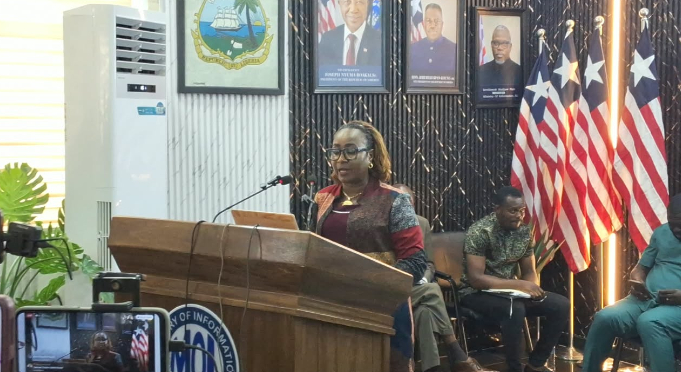

Monrovia-A fresh wave of indictments has been unveiled by the Assets Recovery and Property Retrieval Taskforce AREPT, drawing several former government officials and civil society actors into a widening corruption probe involving funds earmarked for rural women empowerment.
By: Willie N. Tokpah
The indictment, issued by Criminal Court C, centers on the alleged diversion of over US$1.8 million from a 2023 program under the Ministry of Commerce and Industry.
While AREPT maintains that the charges are grounded in credible evidence and due process, the move is expected to heighten public scrutiny over both the scope and consistency of Liberia’s anti-corruption campaign.
According to AREPT Chairperson Edwin Kla Martin, the accused, including former Minister Mawine G. Diggs and Financial Comptroller Gudi J. N. Neufville, allegedly diverted funds intended to support vulnerable rural women, small businesses, and local entrepreneurs.
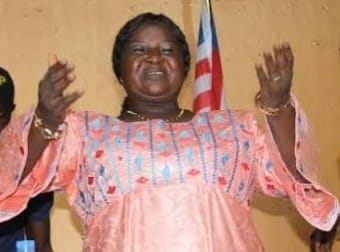
Others indicted by the taskforce include, Cllr. 𝗝𝗼𝘀𝗲𝗽𝗵 𝗬𝗮𝗱𝗼 𝗛𝗼𝘄𝗲, 𝗙𝗼𝗿𝗺𝗲𝗿 𝗦𝗲𝗻𝗶𝗼𝗿 𝗣𝗼𝗹𝗶𝗰𝘆 𝗔𝗱𝘃𝗶𝘀𝗼𝗿, 𝗠𝗶𝗻𝗶𝘀𝘁𝗿𝘆 𝗼𝗳 𝗖𝗼𝗺𝗺𝗲𝗿𝗰𝗲 𝗮𝗻𝗱 𝗜𝗻𝗱𝘂𝘀𝘁𝗿𝘆, 𝗞𝗲𝗯𝗲𝗵 𝗠𝗼𝗻𝗴𝗲𝗿, 𝗣𝗿𝗲𝘀𝗶𝗱𝗲𝗻𝘁, 𝗡𝗮𝘁𝗶𝗼𝗻𝗮𝗹 𝗥𝘂𝗿𝗮𝗹 𝗪𝗼𝗺𝗲𝗻 𝗦𝘁𝗿𝘂𝗰𝘁𝘂𝗿𝗲 𝗼𝗳 𝗟𝗶𝗯𝗲𝗿𝗶𝗮, 𝗘𝗹𝗶𝘇𝗮𝗯𝗲𝘁𝗵 𝗙𝗶𝗻𝗱𝗮 𝗦𝗮𝗺𝗯𝘂𝗹𝗮𝗵, 𝗣𝗿𝗲𝘀𝗶𝗱𝗲𝗻𝘁, 𝗟𝗶𝗯𝗲𝗿𝗶𝗮 𝗠𝗮𝗿𝗸𝗲𝘁𝗶𝗻𝗴 𝗔𝘀𝘀𝗼𝗰𝗶𝗮𝘁𝗶𝗼𝗻, 𝗝𝗼𝘀𝗲𝗽𝗵𝗶𝗻𝗲 𝗛𝗮𝗻𝗱𝗳𝘂𝗹 𝗚𝗿𝗲𝗲𝗻𝘀, 𝗙𝗼𝗿𝗺𝗲𝗿 𝗦𝗲𝗰𝗿𝗲𝘁𝗮𝗿𝘆 𝗚𝗲𝗻𝗲𝗿𝗮𝗹, 𝗡𝗮𝘁𝗶𝗼𝗻𝗮𝗹 𝗥𝘂𝗿𝗮𝗹 𝗪𝗼𝗺𝗲𝗻 𝗦𝘁𝗿𝘂𝗰𝘁𝘂𝗿𝗲 𝗼𝗳 𝗟𝗶𝗯𝗲𝗿𝗶𝗮 and 𝗞𝗲𝗺𝗺𝗼𝗵 𝗕𝗼𝗿𝗯𝗼𝗿, 𝗖𝗮𝘀𝗵𝗶𝗲𝗿, 𝗠𝗶𝗻𝗶𝘀𝘁𝗿𝘆 𝗼𝗳 𝗖𝗼𝗺𝗺𝗲𝗿𝗰𝗲 𝗮𝗻𝗱 𝗜𝗻𝗱𝘂𝘀𝘁𝗿𝘆.
The Taskforce asserted that the defendants acted with criminal intent, depriving intended beneficiaries of critical support.

However, as the case proceeds, attention will likely focus not only on the strength of the prosecution’s evidence but also on broader concerns about transparency, institutional accountability, and whether such high-profile indictments will ultimately translate into sustained convictions and systemic reform.
At the center of the case is a 2023 government-funded program under the Ministry of Commerce and Industry, designed to empower rural women through small business support.
According to AREPT, funds totalling US$1,819,469.43, drawn from an initial US$2 million appropriation, were allegedly diverted by the indicted officials, including former Minister Mawine G. Diggs and Financial Comptroller Gudi J. N. Neufville.

The Taskforce contended that the accused, along with several others, conspired to misapply and convert public resources for personal benefit, undermining a program intended to support vulnerable entrepreneurs across Liberia.
While these allegations, if proven, point to a troubling breach of public trust, the absence of publicly disclosed evidentiary details at this stage leaves room for skepticism among observers demanding greater transparency.
In his statement, Cllr. Martin defended AREPT’s methodology, emphasizing that the months-long silence preceding the indictment reflected “thorough, systematic analysis” rather than inactivity.
He rejected claims of political motivation, insisting that all actions are grounded in credible evidence and due process.
The Taskforce further underscored that the defendants were invited to participate in the investigation with legal representation, in line with constitutional guarantees.

Yet, critics argue that such assurances, while necessary, are insufficient without consistent public reporting on investigative standards and outcomes, especially in a political environment where corruption cases are often viewed through partisan lenses.
The indictment also raised concerns about governance and accountability within Liberia’s public financial management systems.
The alleged diversion of funds earmarked for rural women, among the country’s most economically vulnerable groups, highlights persistent gaps in oversight and internal controls.
If substantiated in court, the case could reinforce calls for institutional reforms beyond prosecutions, including stricter auditing mechanisms and real-time expenditure tracking within ministries.
AREPT’s pledge to pursue stolen assets, including those held abroad, signals an ambitious enforcement agenda.
However, the credibility of this effort will ultimately depend not only on securing convictions but also on ensuring that recovered assets are transparently reintegrated into public use.
As the proceedings unfold at Criminal Court “C,” the case will serve as a test of Liberia’s commitment to impartial justice and the rule of law, principles that remain central to rebuilding public confidence in state institutions.
Support Independent Journalism
Your support helps FrontPage Africa continue delivering independent, credible, and impactful journalism. Every contribution strengthens our ability to investigate, inform, and hold power accountable while keeping quality journalism accessible to our readers.
Support our journalism or subscribe to receive the latest FrontPage Africa stories and updates.