MONROVIA – For weeks, Liberian traders have been paying fees to have their cargo scanned at the country’s main seaport. On Monday, the head of the country’s tax agency told senators that the port has no scanner.
By Obediah Johnson
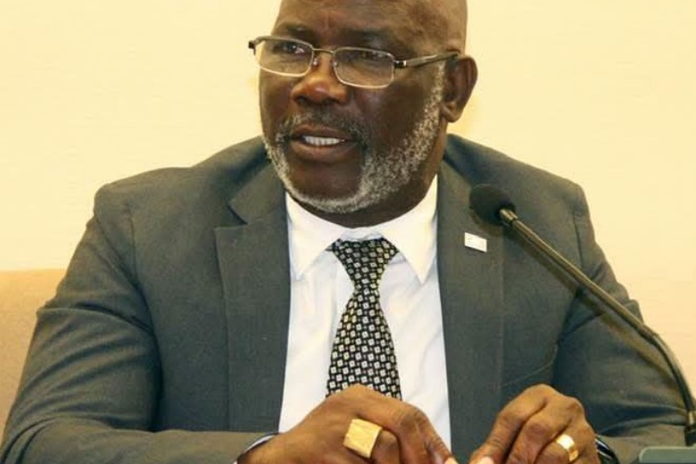
“Right now, the facility is under construction, so there is no cargo scanning that goes on at the Freeport at the moment because it does not have a scanner in place,” Dorbor Jallah, Commissioner General of the Liberia Revenue Authority (LRA), told the Liberian Senate. “The scanner will come in once we dedicate the facility.”
The admission came at a Senate hearing called to address weeks of complaints from small and medium-sized importers. They say delays and high charges at the Freeport of Monrovia are driving them into debt and pushing up prices for ordinary Liberians.
The Freeport handles most of the goods that enter Liberia, a West African country of about 5.5 million people that imports much of its food, fuel and consumer goods. When containers sit at the port, the cost shows up quickly in the price of rice, cooking oil and other basics in Monrovia’s markets.
‘We Are Paying Interest Every Day’
Business owners say they are charged high fees by the terminal operator APM Terminals, by MEDTECH and under the CTN/GTMS cargo-tracking system, both before their goods arrive and before they are released. Many import on bank credit. Each day a container stays stuck at the port adds interest to their loans.
Importers have also complained of being charged for scanning that, as Jallah’s testimony made clear, does not take place.
A Scanner From China
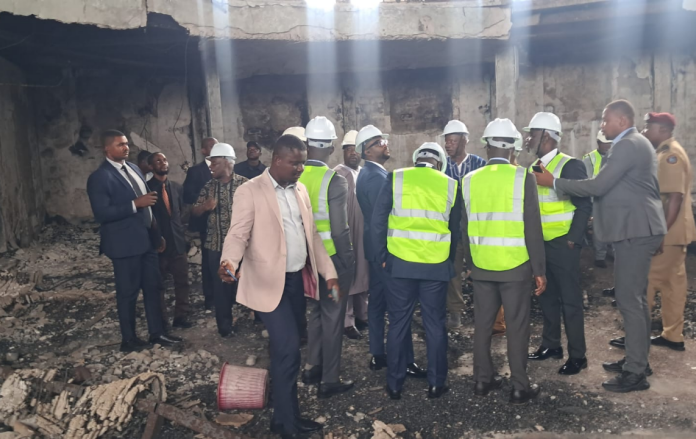
Jallah told senators that a new facility for handling and inspecting cargo, which he called a “destination expansion facility,” is under construction at the port. A scanner will be installed once it is complete. The government is buying a custom-built machine from a manufacturer in China.
The scanner will be able to check about 40 containers an hour, Jallah said. It will let customs and security officers see what is inside containers without opening them. That should speed up clearance and tighten control over what enters the country.
Jallah said demand for imports keeps rising, and cargo bound for Liberia is piling up at transshipment hubs elsewhere in the region. Some shipping lines have taken steps to reduce delays, he said.
Banks, Customs Software and a 24-Hour Port
Jallah said many importers have been unable to pay release fees for days because banks keep short hours. The LRA is working with the Central Bank of Liberia (CBL) and commercial banks to allow payments around the clock. He said the CBL is expected to launch a payment switch to link the systems later this year.
The LRA is also upgrading its customs software, which Jallah said was outdated and could not connect smoothly with the banks.
“We are upgrading now to the latest version, which will allow for integration with the commercial banks and Central Bank,” he said.
After a recent meeting with importers, shipping lines and customs brokers, he said, the government has committed to turning the Freeport into a 24-hour port.
“One of the commitments that was made is that we are going to now make the port to be a 24-hour port, so that customs would be 24/7,” Jallah said. “We intend to do that, and hopefully this will help to decongest the port.”
He urged importers and brokers to prepare to work around the clock as well. He also pointed to a port expansion investment plan and the need to dredge the harbour so it can handle growing traffic.
‘The World Bank Warned Us’
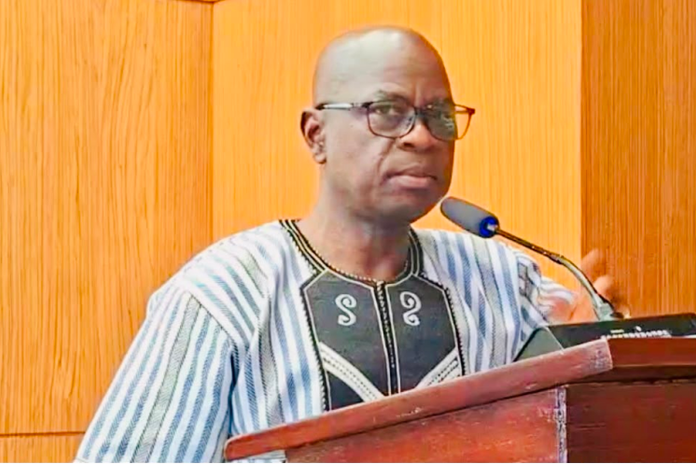
Sekou Dukuly, Managing Director of the National Port Authority (NPA), told senators that the port is under severe strain and that the problem has been building for years.
“The congestion we are talking about today didn’t start last month or last year,” Dukuly said. “In 2017, the World Bank warned us and every country, not only in the Mano River Union basin but the sub-region, that every economy in West Africa was growing astronomically. They warned and advised us that we should improve and look at our infrastructure.”
Unlike Liberia, he said, many of its neighbours heeded that advice and expanded their ports. He called the past six years “a complete catastrophe” for Liberia’s port infrastructure. That period largely covers the previous administration of former President George Weah, which left office in January 2024.
Dukuly said the costs of delay to importers and shipping lines are passed directly on to Liberian consumers. He urged lawmakers to “take politics and propaganda” out of the debate, saying the port needs investment because the economy has outgrown it.
Why It Matters
A port without a scanner is a security risk as well as an economic one. Liberia has made several large cocaine seizures this year. Without scanners, customs officers must rely on physical searches or paperwork, which makes it harder to detect drugs, weapons and other contraband.
For businesses, every day of delay adds costs that end up on the price tag. Until the new facility opens and the 24-hour promises are kept, those costs are likely to keep landing on Liberian households.
Support Independent Journalism
Your support helps FrontPage Africa continue delivering independent, credible, and impactful journalism. Every contribution strengthens our ability to investigate, inform, and hold power accountable while keeping quality journalism accessible to our readers.
Support our journalism or subscribe to receive the latest FrontPage Africa stories and updates.