MONROVIA – A veteran Liberian diplomat chosen by President Joseph Boakai for a new overseas assignment has pushed back against critics who say the selection overlooks the country’s young people, advising them instead to invest in their schooling, work experience and leadership development.
By Selma Lomax, [email protected]
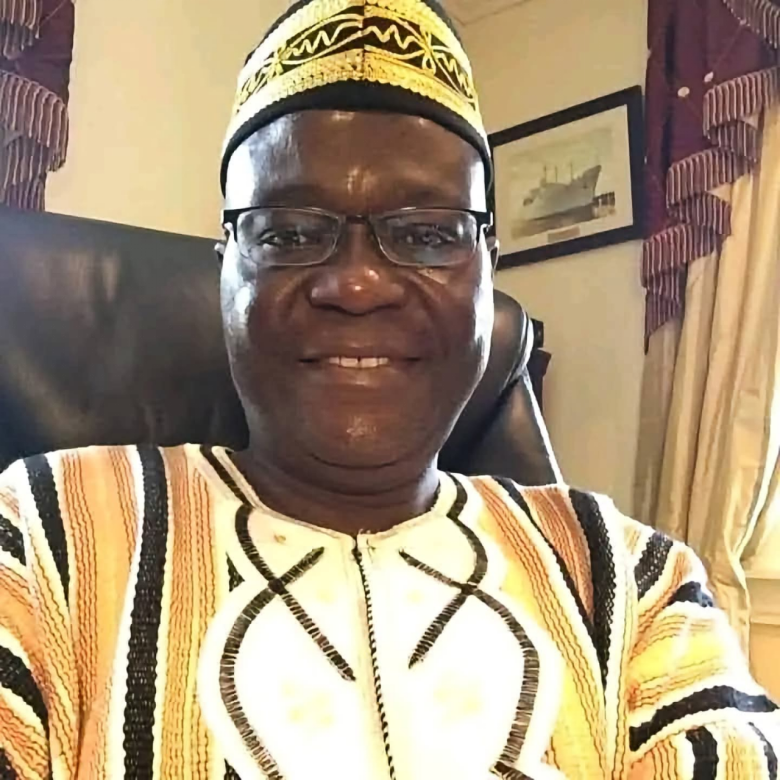
Jeremiah Sulunteh, a former ambassador to Mexico, Canada and the United States, made the remarks in an interview on Tuesday after being named Ambassador-Designate. His comments come as public argument intensifies over the president’s latest diplomatic appointments, particularly over the ages of those selected and the share of posts going to younger Liberians.
The objections have come partly from within the president’s own political camp. Several young members of the ruling Unity Party in Bong County say the president is increasingly filling key government posts with what they call ‘older people’, while younger Liberians who hold the right degrees and professional records, and who worked to bring the party to power, are pushed aside. They feel their efforts on the road to victory should show up in the make-up of public institutions, the diplomatic service included.
Some of these supporters have voiced disappointment at what they see as thin opportunities for their generation, arguing that the sacrifices made during the campaign ought to translate into a bigger role in running the country.
The matter has also spilled onto social media, notably Facebook, where users asked why the ambassadorial slot did not go to a younger person. Some pointed specifically to a young professional from Bong County or elsewhere with the credentials to represent Liberia abroad. Other commenters focused on Sulunteh’s age and long record in government, saying the diplomatic corps should offer a new generation the chance to gain international exposure and add to national development.
Responding, Sulunteh urged young Liberians, especially those who believe they were bypassed, to put their energy into education, build up their professional skills and get themselves ready for leadership roles. He said disagreements over politics, or frustration about appointments, should not draw them away from earning the qualifications and experience needed to serve the nation.
In his view, young people should understand that opportunities in government usually carry expectations of competence, preparation and experience. He stressed the value of continuing to learn and to grow professionally throughout one’s career.
The seasoned envoy also warned against what he described as a developing political culture in which people applaud the officials and politicians they back while attacking others purely because of political differences. Such an attitude, he argued, does nothing to advance national development, especially when Liberia needs unity, constructive engagement and contributions from citizens of every generation.
Sulunteh asked young Liberians not to treat political debate as a chance to run down people who have served the country. He suggested they hold meaningful conversations about competence, accountability and national progress, keep their eyes on their own futures, and strengthen their academic and professional credentials so they can seize openings when they appear.
His reply lands at a time when the issue of youth inclusion has become more prominent in conversations about the Boakai administration. Young Unity Party members maintain that their part in rallying voters, campaigning and helping secure the party’s win merits a visible place in government appointments.
For these supporters, the argument is not about rejecting experienced public servants. Rather, they want younger professionals to get a chance to show what they can do and to take part in decision-making. They point out that Liberia has a growing number of educated young people with the academic grounding and technical expertise suited to ambassadorial and other senior assignments, and they say appointments should strike a balance between experience and generational inclusion.
Critics add that age alone should not settle who is fit to represent Liberia internationally, particularly where younger candidates hold the necessary academic and professional qualifications. While acknowledging that experience matters in diplomatic postings, they say it should not automatically shut out a new generation. The criticism appears to be directed less at Sulunteh personally than at what young party members perceive as a pattern across the administration’s appointments.
Sulunteh’s own record has become part of the conversation. He has served as Liberia’s ambassador to Mexico, Canada and the United States, placing him among the country’s more experienced diplomatic figures. Those earlier assignments gave him exposure to international relations and diplomatic engagement, background that supporters could consider relevant to his return to the foreign service.
His long service has become a point of reference for both sides: admirers can cite it as proof of capability, while critics point to it as evidence that familiar names keep returning.
The appointment has therefore produced two competing viewpoints. One stresses the worth of experience and continuity in how Liberia is represented abroad. The other calls for wider opportunities for younger citizens who believe they can handle similar responsibilities.
For some observers, the row reflects a wider challenge facing the Unity Party-led government as it tries to reconcile political expectations, professional competence and generational representation in public appointments. It also prompts questions about how much weight political loyalty and campaign contributions should carry compared with qualifications, institutional experience and the ability to carry out assigned duties effectively.