MONROVIA – The United Nations Development Programme (UNDP) has called for reforms in Liberia’s public financial management system to ensure that government fiscal policies and budgetary allocations better address the economic needs and priorities of women, particularly women-owned businesses.
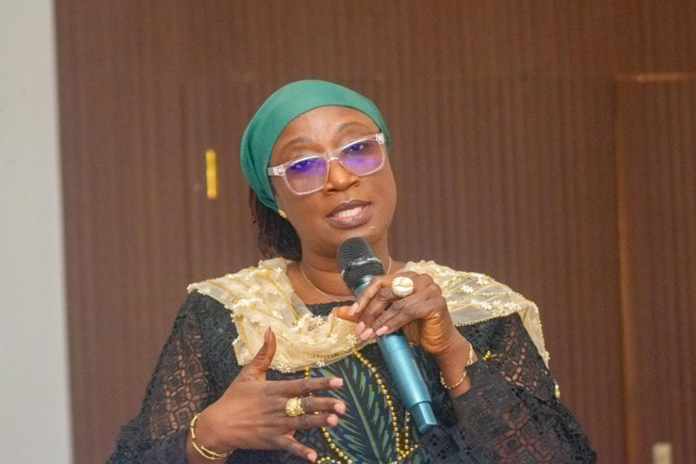
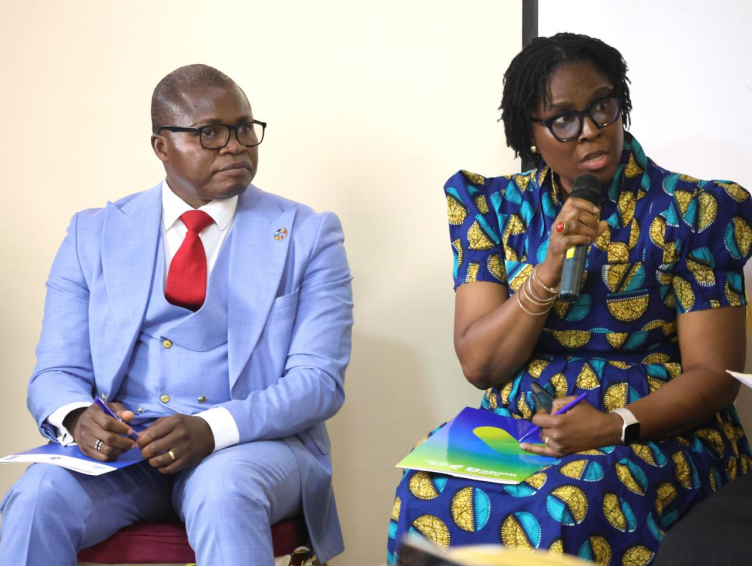
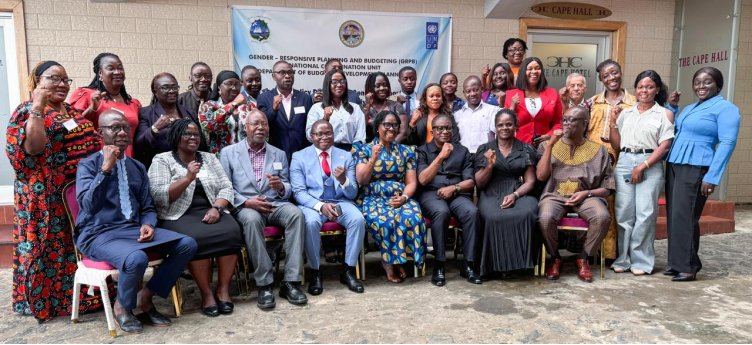
The call was made during a High-Level Policy Dialogue on Gender-Responsive Fiscal Policy, Gender-Responsive Budgeting (GRB), and Women-Owned Micro, Small and Medium Enterprises (MSMEs), convened by UNDP on November 12 at Cape Hotel in Monrovia.
According to a UNDP press release issued Thursday, the dialogue was organized through the organization’s global EQUANOMICS Initiative in collaboration with the Ministries of Finance and Development Planning and Gender, Children and Social Protection.
The gathering brought together senior government officials, development partners, private sector representatives, civil society actors and women entrepreneurs to discuss reforms aimed at making Liberia’s budgeting and public financial management systems more inclusive.
The dialogue provided an opportunity to assess progress in integrating gender considerations into national planning and budgeting, identify persistent obstacles and propose practical reforms to strengthen women’s economic participation.
Speaking at the event, Deputy Minister for Research, Policy and Planning at the Ministry of Gender, Children and Social Protection, Curtis V. Dorley, said the discussions were particularly important as Liberia finalizes its new National Gender Policy.
He noted that the proposed policy places strong emphasis on women’s economic empowerment, including their integration into value chains and the formalization of Village Savings and Loan Associations (VSLAs) and micro, small and medium-sized enterprises.
Dorley urged participants to move beyond policy commitments toward practical implementation.
“Let us use this platform to move decisively from policy commitments to practical implementation, ensuring that economic growth and fiscal reforms in Liberia leave no woman behind,” he said.
UNDP Deputy Resident Representative Louis Kuukpen emphasized that gender-responsive budgeting does not mean establishing separate budgets for women. Rather, it ensures that national budgets equitably address the needs and priorities of all citizens.
He stressed the importance of integrating gender considerations throughout the budget cycle, including planning, resource allocation, implementation, monitoring and accountability.
“Gender equality must be reflected not only in national development commitments, but also in fiscal policies, revenue decisions and public resource allocations that address gender inequalities, deliver equitable benefits and translate into measurable improvements in women’s economic empowerment,” Kuukpen said.
Meanwhile, UN Women Deputy Representative Yemi Falayajo highlighted barriers confronting women entrepreneurs, particularly limited access to financial resources, business assets and opportunities for expansion.
She said many women remain trapped in survival-level entrepreneurship because of structural challenges, including family and caregiving responsibilities, which often limit their ability to grow their businesses.
Falayajo said UN Women supports women entrepreneurs through initiatives designed to strengthen leadership skills, improve their understanding of market dynamics and help them navigate the broader economy.
She also emphasized that women’s participation in economic decision-making should be recognized based on their contributions to national development rather than traditional family roles.
Findings from a Gender Fiscal Impact Assessment of women-owned MSMEs in Liberia, presented as part of the dialogue, identified several structural challenges affecting business growth.
These include limited access to financing and collateral, difficulties meeting public procurement requirements, burdensome taxes and fees, and inadequate access to government-funded business support programmes.
The assessment found that all surveyed enterprises identified access to finance and collateral as major constraints. It also established that most had not benefited from government-funded business support during the previous two years.
The findings informed discussions on practical reforms, including simplifying public procurement requirements, expanding affordable financing opportunities, improving access to government business support and strengthening gender-responsive planning and budgeting across public institutions.
The dialogue was convened under UNDP’s EQUANOMICS Initiative and builds on previous consultations, institutional engagements, capacity-building activities and research into the fiscal challenges facing women-owned businesses.
UNDP reaffirmed its commitment to supporting the Liberian government through technical assistance, institutional capacity development, evidence generation and policy advisory services to strengthen gender-responsive fiscal governance.
The organization said it would continue working with national partners to ensure that public financial management reforms create more equitable economic opportunities and sustainable development outcomes for women across Liberia.
The dialogue ended with a call for collective action to translate research findings and policy commitments into concrete institutional reforms that make fiscal policy an instrument for gender equality, women’s economic empowerment and inclusive national development.
Support Independent Journalism
Your support helps FrontPage Africa continue delivering independent, credible, and impactful journalism. Every contribution strengthens our ability to investigate, inform, and hold power accountable while keeping quality journalism accessible to our readers.
Support our journalism or subscribe to receive the latest FrontPage Africa stories and updates.