Farmington, Margibi County – The Commissioner of Customs at the Liberia Revenue Authority (LRA), Mr. Saa Saamoi has called on Customs Administrations across West and Central Africa to strengthen intelligence-sharing, improve enforcement coordination and establish effective monitoring mechanisms to ensure concrete operational results.
By Emmanuel Weedee-Conway
He pointed out that intelligence collection and information exchange alone were insufficient to combat increasingly sophisticated criminal networks unless the information was properly analyzed, acted upon and followed through to its logical conclusion.
The call was contained in his closing remarks at the 17th Joint Annual Meeting of National Correspondents of the Regional Intelligence Liaison Offices (RILOs) for West Africa and Central Africa, held at the Farmington Hotel in Margibi County, Liberia.
The meeting, which brought together National Correspondents, customs officials and regional intelligence representatives, focused on strengthening intelligence and regional cooperation in support of vigilant Customs Administrations committed to protecting society.
Commissioner Saamoi described the RILO network as a critical component of customs operations, particularly as international trade expands, supply chains become increasingly complex and criminal networks adopt more sophisticated methods of concealment and illicit trafficking.
He observed that Customs Administrations face the difficult responsibility of mobilizing revenue, securing national borders, protecting society and the environment, while simultaneously facilitating legitimate trade to promote economic growth and private-sector development.
“Effective intelligence gathering, timely dissemination of information and coordinated enforcement activities remain essential to balancing these responsibilities,” stated the Liberia’s custom boss.
“The only sustainable way for Customs Administrations to meet these competing responsibilities is through effective intelligence gathering, timely information dissemination, and strong collaboration and coordination in enforcement activities,” he said.
Calls for stronger legal frameworks
Commissioner Saamoi particularly welcomed recommendations from the meeting calling for member administrations to strengthen their national legal frameworks to support intelligence gathering, information dissemination, enforcement and prosecution of offenders.
He encouraged participating administrations to consider the ratification and effective implementation of the Nairobi Convention, describing it as an important legal instrument for customs cooperation and mutual administrative assistance.
He noted that legal and institutional challenges affecting enforcement and prosecution had also featured in discussions with customs counterparts in Yaoundé, Cameroon, underscoring the need for stronger legal foundations for regional cooperation.
He asserted that effective customs intelligence cooperation must be supported by appropriate legal instruments that enable administrations to exchange information, coordinate enforcement activities and pursue offenders within the framework of applicable laws.
Capacity-building and monitoring of intelligence activities
The LRA official also stressed the importance of continuous capacity-building for customs intelligence officers and heads of intelligence units, noting that criminal networks were becoming increasingly sophisticated, financially powerful and operationally resilient.
He craved Customs Administrations to continuously strengthen their technical knowledge, professional skills and technological capabilities to keep pace with emerging criminal methods and evolving security threats.
The crust of the matter, he identified monitoring and evaluation as one of the most important recommendations arising from the meeting.
“Many Customs Administrations collect and exchange intelligence but often fail to ensure adequate follow-up to determine whether the information has resulted in effective enforcement action.”
“Intelligence that is shared but not acted upon, or not followed through to its logical conclusion, undermines the effectiveness of the entire intelligence-sharing process,” he emphasized.
Commissioner Saamoi pledged to advocate strongly for the issue when Directors General of Customs meet, saying the recommendation deserved greater attention at the highest institutional level.
He further called for stronger information exchange among Customs Administrations, warning that fragmented enforcement efforts would undermine the region’s ability to respond effectively to growing threats.
Urges Regular Intelligence Reporting
The LRA official also supported recommendations urging National Correspondents to produce periodic intelligence reports highlighting emerging threats, new customs fraud patterns and developments in the regional intelligence environment.
He stated that regular reporting, combined with effective coordination and follow-up mechanisms, would provide Customs Administrations with the information needed to anticipate threats, strengthen enforcement operations and disrupt criminal networks.
According to him, regional administrations must work together rather than operate in isolation, adding that effective cooperation was indispensable to addressing the increasingly complex nature of cross-border criminal activities.
Commends WCO, RILO leadership and National Correspondents
Commissioner Saamoi commended the World Customs Organization (WCO) Secretariat for its continued support to regional customs cooperation and acknowledged the contribution of the Office of the WCO Vice-Chairperson for the West and Central Africa Region.
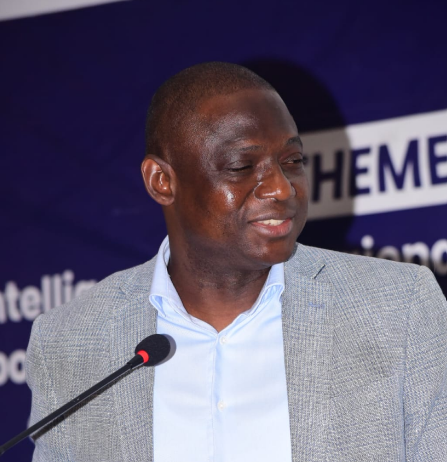
He also praised the leadership and coordination provided by the Heads of RILO West Africa and RILO Central Africa, Mr. Amadou Tejane Sesay and Mr. Ibrahim Njoya, respectively.
Commissioner Saamoi extolled the National Correspondents and focal points for their dedication, patience and active participation in the five-day meeting, noting that their deliberations had produced recommendations that would be presented to Directors General for consideration and implementation within their respective administrations.
The Commissioner also commended the organizing team for ensuring the comfort, safety and hospitality of visiting delegates, saying he had been particularly concerned that participants should have a memorable experience in Liberia.
He expressed satisfaction with the positive feedback received from the RILO leadership and National Correspondents about the arrangements made for the meeting.
Liberia Reaffirms Commitment to Regional Customs Cooperation
At the heart of his remarks, Commissioner Saamoi thanked the participating delegations for accepting Liberia’s invitation and contributing to the success of the regional gathering.
He expressed hope that Liberia, particularly Monrovia, would continue to host future regional customs engagements as part of efforts to strengthen professional relationships and cooperation among Customs Administrations.
The 17th Joint Annual Meeting provided a platform for National Correspondents and regional customs intelligence officials to examine shared challenges and develop recommendations aimed at strengthening intelligence-sharing, institutional capacity, legal cooperation and coordinated enforcement across West and Central Africa.
The recommendations are expected to guide further engagement among the RILOs, the WCO Secretariat and member Customs Administrations, with the ultimate objective of improving the region’s collective response to customs fraud, illicit trafficking and transnational organized crime.
Support Independent Journalism
Your support helps FrontPage Africa continue delivering independent, credible, and impactful journalism. Every contribution strengthens our ability to investigate, inform, and hold power accountable while keeping quality journalism accessible to our readers.
Support our journalism or subscribe to receive the latest FrontPage Africa stories and updates.