The Unity Party chairman says persistent criticism, including alleged radio attacks involving his late mother, has made his position untenable. His resignation follows a politically charged reaction to Liberia’s 1-0 defeat to Mali in the AFCON qualifiers, exposing tensions between partisan politics and national football.
By Jaheim T. Tumu
[email protected]
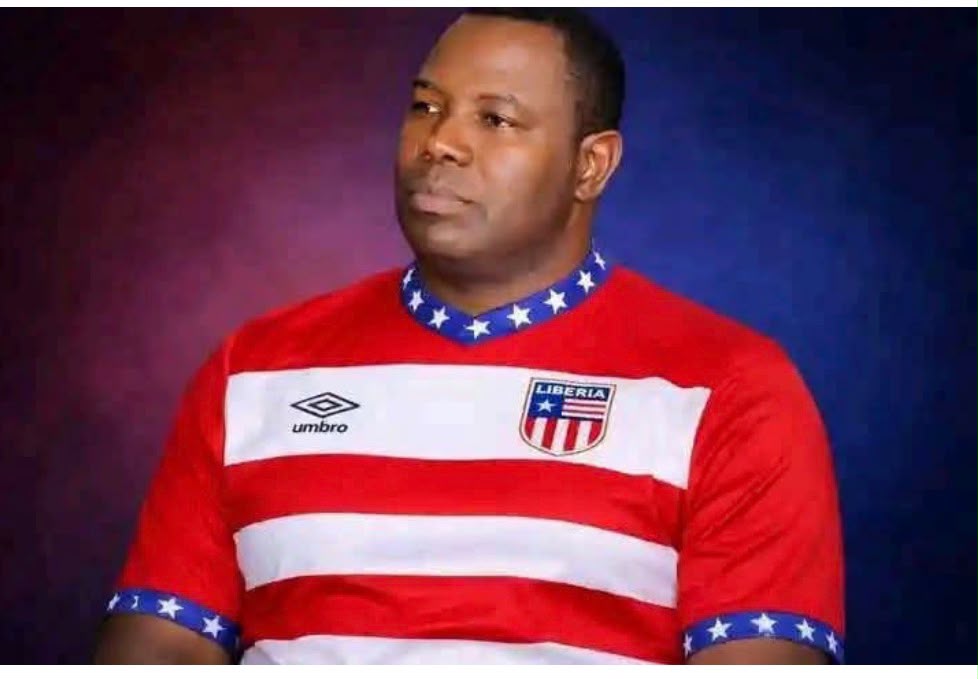
MONROVIA, Liberia — Unity Party National Chairman Dr. J. Luther Tarpeh has resigned as chairman of Liberia’s Lone Star mobilization team, citing persistent personal attacks and public criticism that he says have made it increasingly difficult for him to continue in the role.
In a resignation letter addressed to Liberia Football Association (LFA) President Mustapha Raji, Tarpeh announced his immediate departure, arguing that the attacks against him had crossed personal boundaries, including alleged radio commentary targeting his late mother.
“There is no human being who will not respond to these unprovoked attacks,” Tarpeh wrote.
The resignation comes amid growing tensions over the intersection of politics and football, following criticism of Tarpeh’s involvement in mobilizing public support for Liberia’s national team.
Tarpeh alleged that some radio stations had repeatedly subjected him to hostile commentary since his appointment, with some remarks extending beyond his political activities to his family.
While expressing frustration over the criticism, he said he did not want the controversy surrounding his leadership to distract from the Lone Star’s objectives.
Defeat to Mali Fuels Political Tensions
The controversy comes against the backdrop of Liberia’s 1-0 defeat to Mali in the Africa Cup of Nations qualifiers, a result that prompted renewed criticism and political exchanges over the national team’s performance.
Following the defeat, Tarpeh took aim at supporters of the opposition Coalition for Democratic Change (CDC), accusing some of them of blaming his government for the national team’s difficulties.
In a strongly worded response, he questioned whether the opposition supporters were still resentful over the CDC’s removal from power following the political campaign he said he helped lead alongside Amos Tweh and others.
He also accused some critics of being unable to separate partisan politics from patriotic service, using language that further intensified the political dimension of the debate.
“No leave. No transfer,” Tarpeh wrote in the post, signaling that his commitment to Liberia and its national team remained unchanged despite the criticism.
He went further, saying that, apart from a few good friends within the CDC, he would campaign to “donate” some opposition supporters “somewhere else” so they could leave the country. He described their reasoning as “detestable,” called them “crab mentality CDcians,” and urged them to “get use to it.”
The remarks underscored the extent to which the national team’s struggles had become entangled in Liberia’s partisan political discourse.
From Mobilization to Resignation
Tarpeh’s departure marks a significant development for the mobilization initiative, which was intended to rally public enthusiasm and support for the Lone Star.
In his resignation statement, he portrayed his tenure as an effort to rekindle national interest in the team, suggesting that the mobilization campaign had helped strengthen public engagement and support.
However, he said he did not want his continued presence in the role to become a distraction from the team’s mission.
His decision also raises questions about the challenges of placing a prominent political figure in a national football mobilization role, particularly in a polarized political environment where sporting outcomes can quickly become subjects of partisan debate.
Tarpeh challenged the notion that his position as chairman of the ruling Unity Party should prevent him from contributing to efforts to mobilize support and resources for Liberia’s national team.
Despite stepping down, he maintained that his commitment to the Lone Star would continue, saying he intended to support the team from behind the scenes.
He thanked the LFA for the opportunity to serve and extended his best wishes to the association’s leadership, technical staff, mobilization team and players.
Tarpeh’s resignation leaves the LFA facing the task of maintaining public engagement around the national team while navigating the political tensions that have accompanied the mobilization effort.
For Liberian football, the immediate challenge remains sustaining public support for the Lone Star without allowing political rivalries and personal disputes to overshadow the team’s performance and broader national aspirations.
Support Independent Journalism
Your support helps FrontPage Africa continue delivering independent, credible, and impactful journalism. Every contribution strengthens our ability to investigate, inform, and hold power accountable while keeping quality journalism accessible to our readers.
Support our journalism or subscribe to receive the latest FrontPage Africa stories and updates.