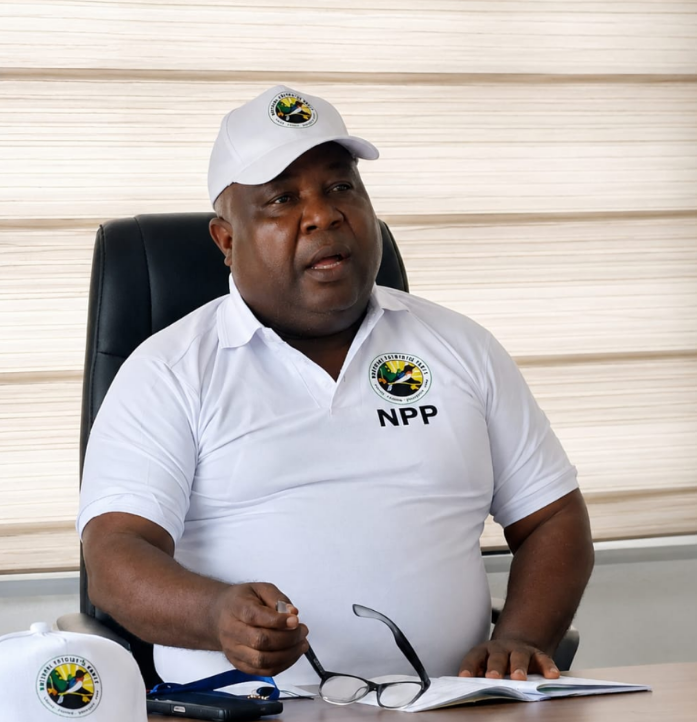
MONROVIA — The Chairman of the opposition National Patriotic Party (NPP) Atty. George Mulbah is demanding transparency from President Joseph Boakai over the unresolved questions surrounding the country’s border with Guinea, arguing that the Liberian government owes the public a detailed explanation about the current status of the territorial dispute and reports of continued Guinean security presence near areas claimed by Liberia.
By Selma Lomax, [email protected]
Mulbah said the issue should no longer be treated as a matter that can be discussed only behind closed doors through diplomatic channels, stressing that the country’s territorial integrity is a constitutional responsibility of the President and a matter of national interest.
He questioned why the administration has not provided a comprehensive and recent public briefing detailing what has been achieved through its engagements with Conakry and whether the concerns that triggered the border crisis have been fully addressed.
The NPP Chairman’s concerns come months after tensions emerged along the Liberia–Guinea border in Lofa County, particularly around the Sorlumba area of Foya District near the Makona River. The confrontation generated concern after reports emerged that Guinean soldiers had crossed into territory claimed by Liberia, allegedly removed a Liberian flag and replaced it with a Guinean flag.
Rather than focusing solely on the initial confrontation, Mulbah is now questioning what has happened since the two governments began diplomatic engagements. He said the Liberian public needs to know whether the reported presence of Guinean forces has completely ended, whether the disputed locations remain occupied, and whether Monrovia and Conakry have reached a definitive understanding on the territorial question.
“It is disheartening that the Liberian people are still left in the dark about a matter that touches the very territorial integrity and sovereignty of this country. When there are reports that Guinean forces are still present around areas being claimed by Liberia, citizens deserve to hear directly from their government. They should not have to depend on rumors and conflicting reports to know whether their territory is secure or whether foreign forces remain in areas claimed by Liberia,” Mulbah said.
According to him, the continued circulation of reports about Guinean military and customs personnel around disputed locations is enough reason for the government to provide a fresh and authoritative account of the situation.
He said the absence of regular public information could create unnecessary anxiety among citizens, particularly residents of border communities who are directly exposed to any deterioration in relations between the two countries.
Mulbah said the President’s responsibility goes beyond diplomatic engagement, arguing that the constitutional obligation to protect Liberia’s territorial integrity must also include keeping citizens informed about matters affecting the country’s borders.
“The President took an oath to protect and defend the territorial integrity of the Republic of Liberia, and that oath comes with a responsibility to account to the Liberian people. We want to know what has happened since the initial confrontation, what agreements have been reached, whether the Guinean forces have withdrawn from every area being contested, and what guarantees exist that our territorial integrity will not be compromised,” Mulbah said.
The NPP chairman’s criticism follows a series of diplomatic interventions undertaken by the Boakai administration after the border confrontation became a national issue. President Boakai traveled to Conakry for discussions with Guinean President Mamady Doumbouya and Sierra Leonean President Julius Maada Bio as regional leaders sought to de-escalate tensions and prevent the dispute from turning into a broader confrontation.
Following those engagements, President Boakai emphasized dialogue and peaceful diplomacy, maintaining that Liberia had no interest in going to war with its neighbor. The President also urged Liberians to avoid relying on unverified information about developments along the border.
The President subsequently addressed the issue publicly and later discussed the situation during an interview with France 24 while in France. During that interview, President Boakai indicated that he remained in communication with President Doumbouya and suggested that the situation was improving and “getting under control.”
But Mulbah said diplomatic communication between the two heads of state should not substitute for direct communication between the Liberian government and its citizens. He argued that while Liberia must continue using diplomacy to resolve the dispute, the government should also provide the public with enough information to determine whether the country’s territorial concerns have been adequately addressed.
Mulbah believes the government’s diplomatic strategy must be accompanied by greater accountability to the public. He said Liberians should not be forced to rely on unofficial accounts to determine whether foreign troops are still operating in territory claimed by their country.
“This is not simply about politics; this is about Liberia. The Liberian people deserve clarity. If the matter has been resolved, tell the people how it was resolved. If negotiations are continuing, tell the people where those negotiations stand. If there are still Guinean forces in areas claimed by Liberia, the government must tell the country what is being done about it. Silence or limited information only creates room for rumors, fear and mistrust,” Mulbah said.
He also called for particular attention to residents of border communities, arguing that people living in the affected areas deserve direct information from the government about their safety and the status of the dispute.
According to Mulbah, those communities should not be left to interpret developments on their own while national authorities conduct negotiations away from public scrutiny.
The NPP chairman said transparency is particularly important because the border question involves more than political disagreement. He described it as an issue involving Liberia’s sovereignty, national security, the safety of border residents and the country’s longstanding diplomatic relationship with Guinea.
He further urged the Boakai administration to disclose the outcome of its engagements with Conakry and explain whether any formal understanding has been reached regarding the disputed areas. He said Liberians deserve to know whether Guinean forces have withdrawn, whether the contested locations have been secured, and what mechanisms are in place to prevent a recurrence.
The opposition figure also cautioned against allowing the absence of open confrontation to create the impression that every underlying issue has been resolved. He said a reduction in tension is welcome, but lasting peace requires clarity over the territorial questions that generated the confrontation in the first place.
Support Independent Journalism
Your support helps FrontPage Africa continue delivering independent, credible, and impactful journalism. Every contribution strengthens our ability to investigate, inform, and hold power accountable while keeping quality journalism accessible to our readers.
Support our journalism or subscribe to receive the latest FrontPage Africa stories and updates.