The recent resignation of Honorable Boima Kamara as Minister of Finance and Development Planning and the ensuing conversation about his able replacement may have created a small window of opportunity for Liberians to re-evaluate their perception of the role of the Ministry of Finance and Development Planning. My hope is that Liberians’ proper understanding of this Ministry’s role will create the right expectations and encourage the appointing authorities and the Ministry’s leadership to direct their energies towards the true mandate of this institution, in order to help speed up our national progress.
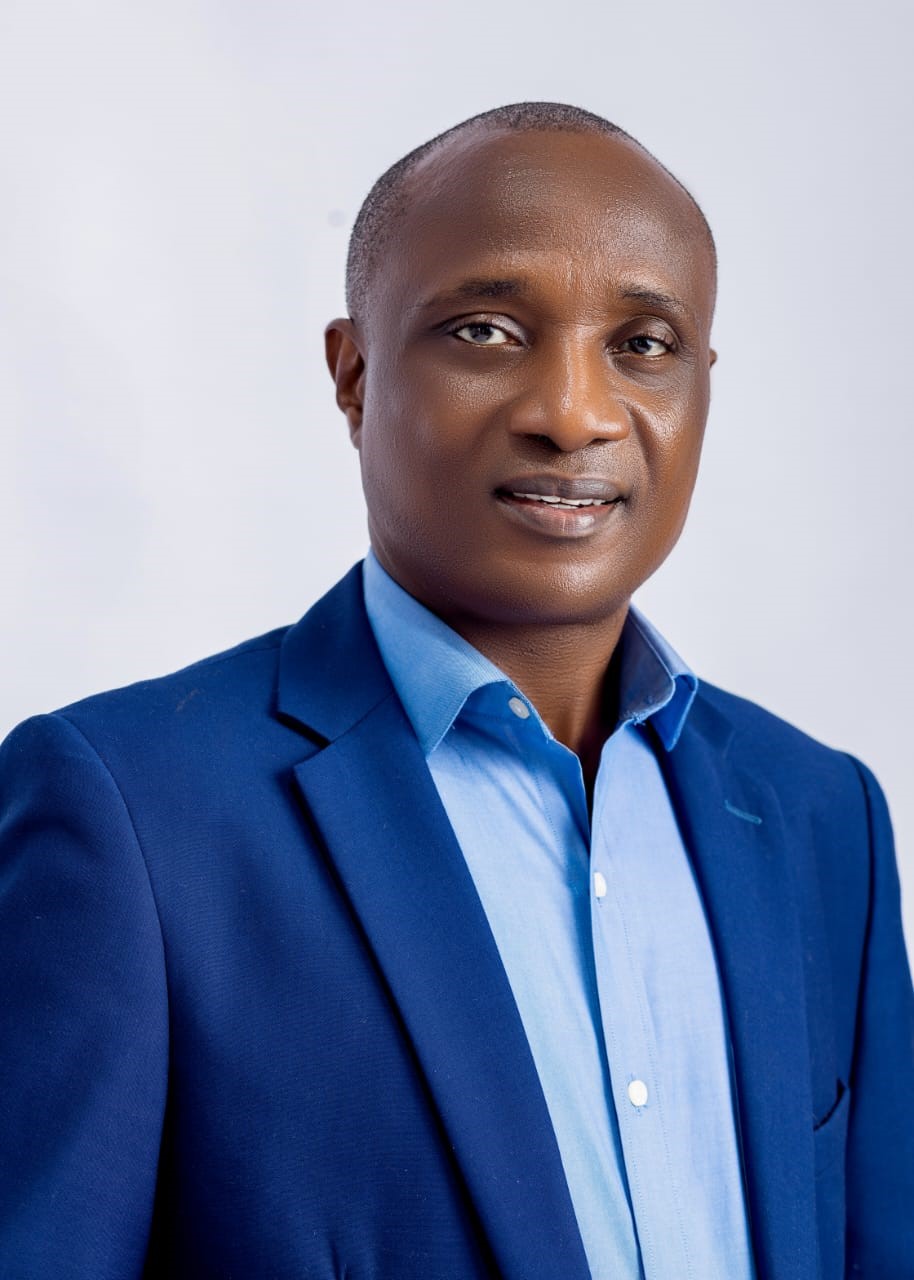
By: J. Tiah Nagbe, MSF, ChFC, contributing writer
Allow me to do two quick housekeeping tasks before going into the substance of my commentary. First, I wish to thank Honorable Kamara for his exemplary leadership to our country. I worked with him in the past and found him to be a good man. May God bless his future endeavors. The second thing that I want to get out of the way is that I am not writing here to seek favors or play politics, by blaming anyone or administration. Maybe, concern for potential misinterpretations of this kind of commentary has caused a lot of well-meaning Liberians to keep quiet; and, in doing so, deny Liberia of important insights that could accelerate national progress. Therefore, I step forward to offer my ideas here based on the firm belief that my sincere suggestions’ benefit to our country will always outweigh the risk of being misunderstood.
Now, let’s return to our discussion. I have observed that many Liberians, including government officials and political leaders, have a fundamental misunderstanding of the role of the Ministry of Finance and Development Planning. People tend to see this ministry mainly as the entity of our government that places money in the budget for other institutions and then makes payments for the government. In short, to them it exists mainly for the budget and disbursement functions. This perception may have been passed on from generations before us or it could partly be due to our current political culture. No matter its source, this perception is wrong and needs to be corrected as quickly as possible, hopefully beginning with the current discussion and search for a new Minister of Finance and Development Planning.
So, what is the main role of the Ministry of Finance supposed to be, you may ask? A good place to start is with the act establishing the Ministry of Finance and Development Planning. The second paragraph of this act states that the Ministry’s primary mandate is to foster economic development. The act further states in Section 21.3 that “the Ministry shall formulate, institutionalize and administer economic, development, fiscal and tax policies for the promotion of sound and efficient management of the financial resources of the government.” My summary of these quotes is that this ministry is expected to properly manage the financial resources of the government, in order to promote economic development and prosperity in Liberia.
Promoting economic development is something that may be difficult to explain to everyone. Therefore, I suggest that we use a good measurement tool of economic development to understand what it really means. The yearly growth rate of the economy (which economists call gross domestic product or GDP growth rate) is a common and simple measure of economic development. Economists define gross domestic product as the total value of goods produced and services provided in a country during one year.
The real GDP growth rate tells us if Liberia did better or worse last year compared to the year before. This measurement tool also shows if we are adding more wealth to our country each year. Adding wealth each year is important because the number of people who live in Liberia increases each year and the prices of things tend to also go up each year. Therefore, if our national wealth or income is not going up, while the population is increasing and the prices of things are going up, then we will be in a worse position in the future then we are today, and that is not a good thing.
I believe that if the annual real GDP growth rate is 1% to 2% for Liberia, it means that we are just getting by because our population is growing at 3%. If it is 3% to 4%, we are ok, 5% to 6% is great, and 7% and higher is fantastic. In my opinion, for a country like Liberia to have a good chance of changing the living conditions of our people in a major way, we have to fight hard to achieve annual real GDP growth rates in the range of 7% to 10% over the next twenty years. This is difficult, but doable because other countries have done it before and Liberia also did in in the past.
Achieving decent economic growth rates over a long period of time, can help a country achieve development. Admittedly, it is possible to have high economic growth rates without achieving development, something that happened to Liberia in the past. But one thing is sure, a country cannot achieve development over a long period of time without attaining good GDP growth rates. Decent growth rates mean that we are producing more goods and services, the government is generating more tax revenues, we are employing more people, and people are making more money. These things are good for the country.
To see the power of decent real GDP growth rates, let’s see some of the things that could happen if our economy where to grow by 5% in one year, say from $5 billion the year before. It means that we will add $250 million more in goods and services that year. If the government can collect about 15% of that additional $250 million in taxes, our budget could increase by $37.5 million. You also know that more people will have to work to produce more goods and offer more services. So, if 20% of that additional money went to pay salaries, $50 million more would go to pay new employees and 8,400 new jobs would be created in that year alone, assuming the average pay was $500 per month. Increasing government revenue and creating more employment are two key benefits of economic growth, which can lead to prosperity.
From the above narrative, you can see that the primary mandate of the Ministry of Finance and Development Planning, which is to promote economic development, is very important. This is why I believe we, the citizens and our leaders, must change the way we see and deal with this ministry, to allow it focus on its very important mandate. There are three changes that I want to quickly suggest we make, before I can close my comments.
The first change is the way we measure success at the Ministry. Going forward, I suggest we add annual real GDP growth rate of the Liberian economy to the deliverables or things we use to evaluate the performance of the Ministry of Finance and Development Planning. It is true that growth will come from the work of many institutions across the government, but this ministry needs to remain focused on economic growth as a primary component and also a measure of the fulfillment of its mandate. The ministry also has the power to plan, coordinate, and support activities across the government to stimulate growth. I am not suggesting that this tool should be the only measure of progress, instead I recommend that this be the most important one.
When we make this shift, it means we should take it into consideration when searching for, appointing and confirming the leadership team of this ministry. This means that some of the questions that should be asked the candidate to head the Ministry of Finance and Development Planning would include: 1) What do you think are the factors that contributed to the low economic growth rates that the Liberian economy has witnessed over the last ten years?; 2) What is the target average real GDP growth rate that you would like the country to work towards during your term at the ministry?; and 3) What is your blueprint for achieving your proposed target growth rate, and what are the three things that will be key to achieving that target?
The second change that I am proposing is to streamline the budgeting and disbursement processes so as to help the ministry focus on its other functions. I have observed that annual budgeting takes too much of our time and costs too much money, when you take into consideration the lengthy legislative deliberations, including legislative recalls. Our budget is quite small, to be honest. Moreover, probably sixty percent to seventy percent is committed to payroll, debt servicing and basic recurrent expenses that don’t change that much. That leaves around $200 million for discussion. Making payment against this budget should also not take up too much of our time. We need all the ideas, time and energies directed towards the vigorous pursuit of economic growth. Therefore, we can make time by reducing the efforts that go into other activities.
The third and final change that I want to recommend for consideration is the designing of a special executive compensation package for the Minister and the Deputies. The way this entity is currently designed, running it is probably the most challenging role in the cabinet. Add to that the need to uphold high ethical standards while managing a resource envelop of about a billion dollars per year, if you include grants, loans and other financial agreements. During President Sirleaf’s second term, she tried with the idea of a contract between the President and each minister or head of entity. Maybe we should experiment with this idea at the Ministry of Finance and Development Planning, adding the deputy ministers in the equation.
Along with a decent pay package, the contract should also contain clearly defined deliverables in key areas of the functions of the ministry. Examples of some key deliverables could be, requiring the team to ensure that all government employees are paid before the end of each month; making sure that no international debt servicing transaction exceeding $1 million is missed without prior knowledge of the president; ensuring that the annual real GDP growth rate does not fall below 4% except there are factors that are reasonably beyond the control of the team; and making sure the team does not miss its projected average annual GDP growth rate in two consecutive years. I am stepping out of the box here in putting forward this new concept, for which I do not yet have a lot of answers. So, I am open to challenges and modifications; but something needs to change with respect to the compensation levels at this very important institution.
I want to close by emphasizing that the Ministry of Finance and Development Planning of Liberia is vital to the development of Liberia, which improves the wellbeing of the citizens and upholds our dignity and sovereignty. It is unfortunate that for some time now, this agency has been looked at mainly for its budgeting and disbursement functions, and nothing more. There is a need to allow it pay attention to its role as the key driver of economic growth, which is essential for national development and prosperity. When we combine the change in expectations with streamlining of some of its activities and a deserving compensation package for a competent team, I believe that we can re-position this important entity to better serve our country and its people.
J. Tiah Nagbe is an economist with nearly three decades of local and international experience. He holds a Master of Science in Finance degree and the Chartered Financial Consultant designation. He can be reached at [email protected].
Support Independent Journalism
Your support helps FrontPage Africa continue delivering independent, credible, and impactful journalism. Every contribution strengthens our ability to investigate, inform, and hold power accountable while keeping quality journalism accessible to our readers.
Support our journalism or subscribe to receive the latest FrontPage Africa stories and updates.