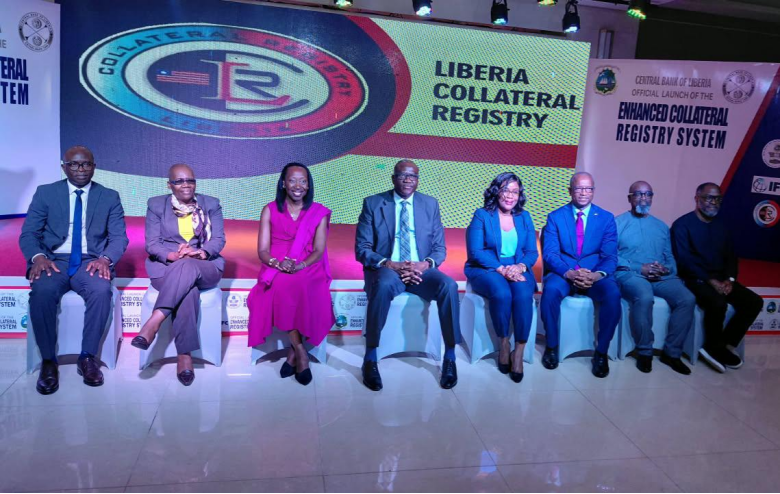
Monrovia – The Central Bank of Liberia (CBL) has kept its benchmark Monetary Policy Rate (MPR) unchanged at 16.0 percent but has raised the share of US dollar deposits commercial banks must keep in reserve, a move aimed at chipping away at the country’s heavy reliance on the greenback.
Rodney D. Sieh
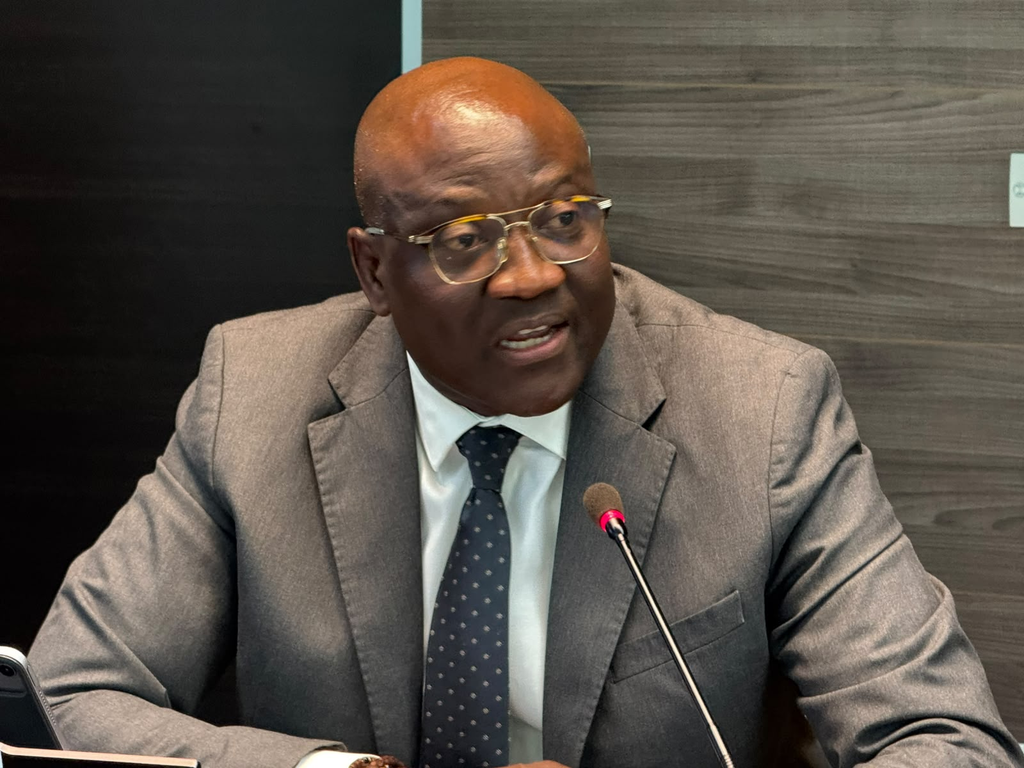
The decision came out of the bank’s Monetary Policy Committee (MPC) meeting held on Tuesday, October 6, 2026, and was announced in Communiqué No. 28, signed by Executive Governor and MPC Chairman Henry F. Saamoi.
Dollar reserves go up
The committee increased the reserve requirement ratio on US dollar deposits by two percentage points, from 10 percent to 12 percent. The requirement on Liberian dollar deposits stays at 25 percent.
The CBL also narrowed its interest-rate corridor. The Standing Deposit Facility (SDF), the rate banks earn when they park money with the CBL, moves from 6.5 to 6.0 percentage points below the policy rate. The Standing Credit Facility (SCF), the rate at which banks borrow from the CBL, moves from 1 to 0.5 percentage points above it. At the current 16 percent policy rate, that puts the deposit rate at 10 percent and the lending rate at 16.5 percent.
The bank said the changes are meant to strengthen how its policy decisions pass through to the economy, improve liquidity management and gradually reduce what it called the structural vulnerabilities tied to Liberia’s high level of financial dollarization.
Inflation falls, growth picks up
Headline inflation dropped to an estimated 4.5 percent in the third quarter, down from 5.4 percent in the previous quarter. The committee credited a more stable exchange rate, prudent monetary management and favorable domestic prices. Inflation is projected at about 4.6 percent in the fourth quarter, within the bank’s medium-term tolerance range.
Real GDP growth is projected at 5.5 percent for 2026, up from 5.1 percent in 2025, driven mainly by mining, manufacturing and services. The CBL’s Composite Index of Economic Activity gap widened from 0.8 percent to 2.7 percent, which the bank said points to greater use of productive capacity.
Broad money supply (M2) declined modestly during the quarter, which the CBL linked to the appreciation of the Liberian dollar.
Banks strong, but bad loans persist
The committee described the banking sector as stable and highly liquid. The Capital Adequacy Ratio stood at 38.64 percent, far above the 10 percent regulatory minimum, while the liquidity ratio rose to 58.71 percent against a 15 percent minimum.
But non-performing loans remain a worry at 13.38 percent, above the 10 percent prudential benchmark. The CBL warned that bad loans pose a significant medium-term risk to financial stability and limit banks’ ability to lend to productive sectors. It reaffirmed support for the National Strategy for Non-Performing Loan Resolution and related legal and judicial reforms.
The committee also noted that bank credit remains concentrated in trade, services and personal lending, and called for more financing for agriculture and manufacturing.
Debt, trade and reserves
Public debt fell from 49.6 percent to 43.3 percent of GDP, according to the communiqué. The external sector, however, showed strain: export earnings improved, but higher import payments widened the trade deficit.
Gross international reserves stood at 3.3 months of import cover, down from the previous quarter but still above the ECOWAS benchmark of three months.
Risks ahead
The CBL said risks are broadly balanced but tilted toward higher inflation. External risks include geopolitical tensions, rising global energy prices — Brent crude rose significantly during the quarter — commodity price swings and tighter global financing. At home, the bank pointed to bad loans, high dollarization, possible fiscal slippages and structural constraints on domestic production.
The committee said it stands ready to take further action if needed. Its next meeting is scheduled for Wednesday, January 20, 2027.
Support Independent Journalism
Your support helps FrontPage Africa continue delivering independent, credible, and impactful journalism. Every contribution strengthens our ability to investigate, inform, and hold power accountable while keeping quality journalism accessible to our readers.
Support our journalism or subscribe to receive the latest FrontPage Africa stories and updates.