Monrovia — The Central Bank of Liberia in collaboration with the Banking Institute of Liberia, has launched a specialized training program to strengthen the capacity of banks and other financial institutions to use the country’s enhanced collateral registry system and expand access to credit.
The training, focused on Movable Asset Financing and Credit Infrastructure, has brought together about 35 participants, including loan officers, credit officers and portfolio managers from commercial banks and non-bank financial institutions.
The initiative follows the recent launch of Liberia’s enhanced collateral registry by the CBL, a platform officials say will improve transparency in lending, reduce risks associated with multiple pledging of assets and make it easier for individuals and businesses to access financing.
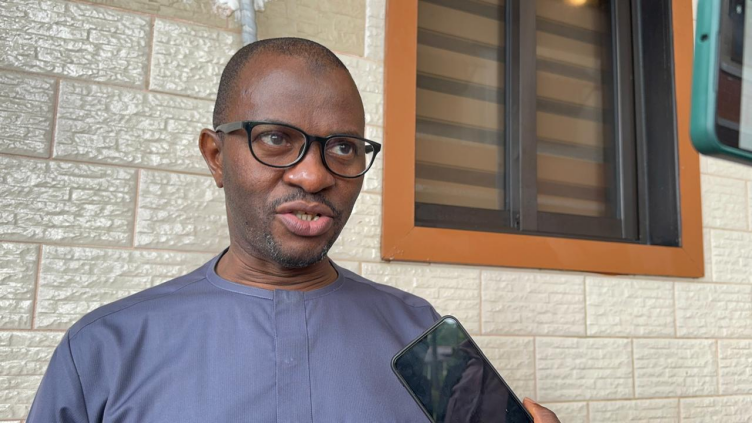
Speaking during the training, Fonsia Mohameh Donzo, Senior Advisor to the Executive Governor on Regulatory and Supervisory Affairs at the CBL, said the program is designed to ensure that financial institutions understand how the new system operates and the regulations governing its use.
She said financial institutions are now required to register assets pledged as collateral through the registry.
According to Donzo, the enhanced platform builds on an earlier collateral registry introduced around 2013 or 2014, which primarily covered movable assets.
The expanded system now accommodates both movable and immovable assets, including vehicles, computers, phones, inventories, receivables, salaries, land, buildings and other fixed assets.
“This system is mandatory,” Donzo said, emphasizing that financial institutions must register assets pledged to them as collateral.
Donzo said a major benefit of the registry is that it will enable financial institutions to make better-informed lending decisions by providing reliable information about assets offered as collateral.
Banks, she explained, will be able to determine whether an asset exists, assess its value and establish whether another financial institution already has a lien against it.
The system is expected to address situations in which borrowers use the same property or asset to secure loans from multiple financial institutions.
“This system is going to provide greater transparency,” Donzo said, adding that it will give lenders greater confidence that assets being pledged are genuine, valuable and free from undisclosed claims.
She cautioned, however, that the collateral registry will not replace banks’ normal credit assessment procedures.
Instead, the registry will complement the loan-underwriting process, with lenders still required to consider a borrower’s repayment capacity, cash flow, credibility and overall creditworthiness.
Donzo said the system is also intended to strengthen protection for depositors, whose funds constitute a major source of financing used by banks to provide loans.
She said the CBL has a responsibility to ensure that financial institutions operate safely and have mechanisms in place to reduce lending risks.
The registry, she noted, is therefore designed to protect the interests of lenders, borrowers and depositors.
For borrowers, verified collateral could increase lenders’ confidence and potentially lead to more favorable borrowing conditions, particularly when borrowers demonstrate strong repayment capacity and creditworthiness.
“This system is a win-win for everyone,” Donzo said.
The CBL official also disclosed plans for a nationwide public-awareness campaign to educate businesses, borrowers and ordinary citizens about the registry.
She said the system is not solely for banks and other financial institutions but will also serve as a public information platform.
Members of the public, she explained, will be able to conduct searches before purchasing assets such as used vehicles or property to determine whether those assets have previously been pledged as collateral.
Donzo cited a case involving a prospective buyer who was preparing to purchase property from an owner reportedly facing financial difficulties.
A check with the CBL established that the property had already been pledged to a bank as collateral.
Had the buyer proceeded without conducting the search, Donzo said, the individual could have faced a legal dispute with the bank because the lender held the original property documents.
The parties were instead able to resolve the matter by using proceeds from the sale to settle the outstanding bank obligation before the remaining funds were paid to the property owner.
Under the new system, Donzo said, such searches will be easier because members of the public will not need to physically visit the CBL. They will be able to access the platform remotely, pay applicable fees and conduct searches from their homes or offices.
Donzo further disclosed that the collateral registry has been designed to connect with other government information systems to strengthen verification and combat fraud.
She said the platform has the capacity to link with Liberia’s National Identification Registry, allowing individuals to be uniquely identified when assets are registered or pledged.
The system is also expected to connect with the land registry once land records are digitized.
Plans are additionally underway to link the registry with the traffic management system to facilitate verification of vehicles and other relevant assets.
Donzo said the integration of these systems will help prevent individuals from pledging or selling assets they do not legitimately own.
Banking Institute: Movable Assets Could Expand Access to Credit
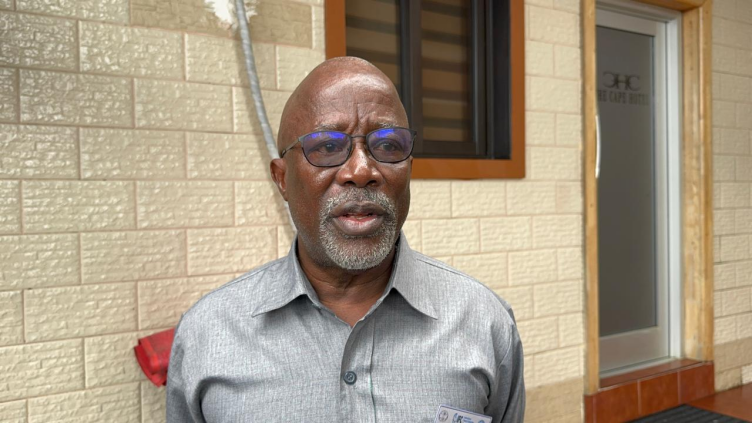
Assistant Professor Richard S. Panto, Director General of the Banking Institute of Liberia, said the training responds to important changes taking place within Liberia’s financial sector.
Panto said the approximately 35 participants are being trained to understand how movable assets can be used to support applications for credit.
Traditionally, he explained, borrowers have often been expected to provide land or buildings as collateral when seeking loans.
Under the expanded framework, however, assets such as laptops, inventories and accounts receivable could potentially be used to secure financing.
“You don’t necessarily need a land or a house,” Panto said, noting that the approach could create new financing opportunities for individuals and businesses.
Panto said small and medium-sized enterprises are among those expected to benefit significantly from the enhanced system.
Many small businesses, he noted, lack the traditional collateral demanded by banks but possess other assets that could potentially support loan applications.
Easing access to collateral, he said, could help address some of the financing constraints facing small businesses.
Greater access to credit could allow SMEs to expand operations, create jobs and contribute more significantly to economic activity.
“When they make money, they will improve their business. And through that process, they will hire more people,” Panto said.
Panto also highlighted the Banking Institute’s contribution to strengthening professional capacity within Liberia’s financial sector.
He said the institute has trained approximately 1,500 candidates in various areas of banking, with many graduates now occupying positions across the financial sector.
He also disclosed that the institute has produced three Liberian chartered bankers through its collaboration with the Chartered Institute of Bankers of Nigeria.
According to Panto, the institute’s programs are designed both to prepare new graduates for employment and to help existing financial-sector professionals advance their careers.
He also credited the World Bank with supporting the development of Liberia’s collateral registry and other economic-development initiatives.
Panto described the World Bank as a longstanding development partner whose support is contributing to reforms aimed at strengthening Liberia’s financial sector.
Both officials stressed that the success of the enhanced collateral registry will depend on financial institutions, borrowers and the wider public understanding how the system works.
Panto said plans are underway to engage citizens and business owners through sensitization and public education.
Donzo said the CBL has already begun using radio talk shows and other public-information channels to explain the system, with additional flyers and awareness activities expected.
She encouraged members of the public to take advantage of the information available through the registry, particularly before purchasing property or other valuable assets.
The enhanced collateral registry represents a broader effort to reform Liberia’s credit infrastructure by allowing a wider range of assets to be used as collateral while improving transparency around existing claims.
By providing lenders with centralized information on pledged assets, the system is expected to reduce lending risks and curb the practice of borrowers using the same asset to secure multiple loans from different institutions.
Officials believe the registry could ultimately strengthen confidence between lenders and borrowers while expanding access to financing, particularly for small and medium-sized enterprises that have historically struggled to meet traditional collateral requirements.
As Liberia seeks to deepen financial inclusion and increase access to credit, the Central Bank and Banking Institute say the system could become a critical component of a safer and more accessible lending environment.
Support Independent Journalism
Your support helps FrontPage Africa continue delivering independent, credible, and impactful journalism. Every contribution strengthens our ability to investigate, inform, and hold power accountable while keeping quality journalism accessible to our readers.
Support our journalism or subscribe to receive the latest FrontPage Africa stories and updates.