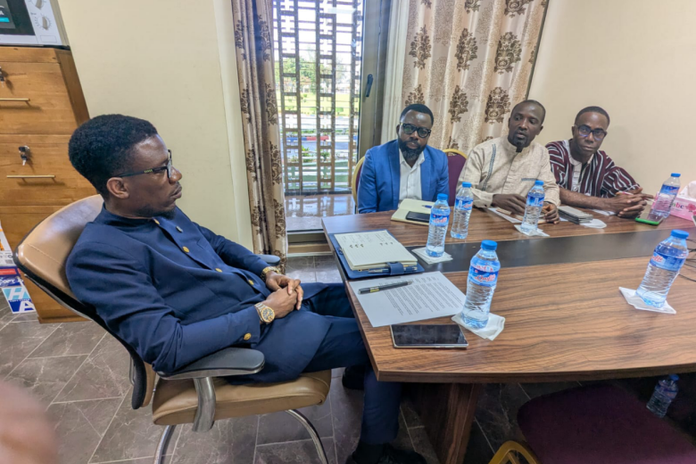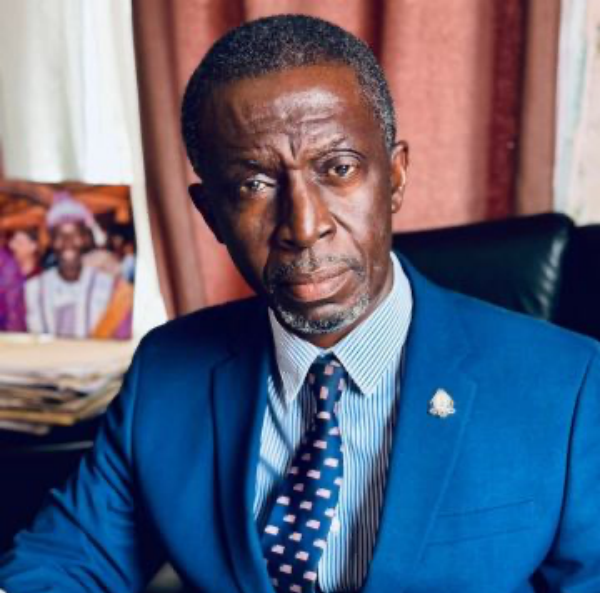
Monrovia — Renowned Liberian human rights and constitutional lawyer Cllr. Tiawan Saye Gongloe has called on the Liberian government to carefully balance its longstanding tradition of humanitarianism with the country’s limited capacity as it begins receiving third-country nationals deported from the United States.
Gongloe’s comments come as Liberia has agreed to receive up to 1,200 foreign nationals transferred from the United States over a one-year period. The first group of 20 deportees arrived in Liberia last week, triggering public debate over the government’s decision and its potential implications for the country.
In a commentary on the policy, Gongloe said Liberia has a “long and honorable tradition” of welcoming people fleeing difficult circumstances in their home countries.
He recalled that during the Biafran Civil War in Nigeria in the 1960s, Liberia received thousands of Nigerians. He also pointed to Liberia’s role in providing refuge to Sudanese during conflicts in Sudan and welcoming Africans fleeing colonialism and liberation struggles across the continent.
“Liberia was also a home for Africans during the struggle for independence across the continent and during the liberation struggles in Southern Africa,” Gongloe said.
He recalled seeing students from countries including Angola, South Africa, Namibia, Zimbabwe and Uganda at the University of Liberia, Cuttington University and various high schools.
According to Gongloe, Liberia’s history of hospitality extends beyond Africa and is deeply connected to the country’s founding as a refuge for formerly enslaved Africans and free-born Black people of African descent seeking freedom and security.
He also noted that Liberians themselves have benefited from the generosity of other nations.
“Since 1980, military rule, political persecution and civil conflict forced many Liberians to seek safety abroad,” he said, citing the United States, Canada, Europe, Australia and African countries that opened their doors to Liberians during periods of crisis.
“We therefore cannot reasonably become a country that rejects people simply because they are facing difficult circumstances elsewhere,” Gongloe argued.
However, he stressed that Liberia’s humanitarian tradition must be weighed against its present-day socioeconomic realities.
“The concern is not whether Liberia should remain welcoming. It should be whether Liberia has the capacity,” he said.
Gongloe said Liberia today faces serious challenges, including unemployment, food insecurity, inadequate healthcare and education, poor housing, limited electricity and insufficient access to clean water.
He said those challenges raise legitimate questions about whether the country can responsibly accommodate a large number of additional people without placing further pressure on already strained public services.
The human rights lawyer said the issue deserves even greater consideration because many of the individuals being transferred to Liberia are coming from a socioeconomic environment significantly better than what they are likely to encounter upon arrival.
“The question, therefore, is not whether Liberia should close its doors,” Gongloe said. “It is whether we can responsibly provide decent living conditions, healthcare, housing, security and opportunities for those we receive without worsening the hardship already faced by ordinary Liberians.”
Gongloe ultimately urged the government to preserve Liberia’s reputation as a welcoming nation while ensuring that humanitarian commitments are supported by adequate resources and planning.
“Liberia should remain a welcoming country. But humanitarian generosity must be matched by humanitarian capacity,” he concluded.
Support Independent Journalism
Your support helps FrontPage Africa continue delivering independent, credible, and impactful journalism. Every contribution strengthens our ability to investigate, inform, and hold power accountable while keeping quality journalism accessible to our readers.
Support our journalism or subscribe to receive the latest FrontPage Africa stories and updates.