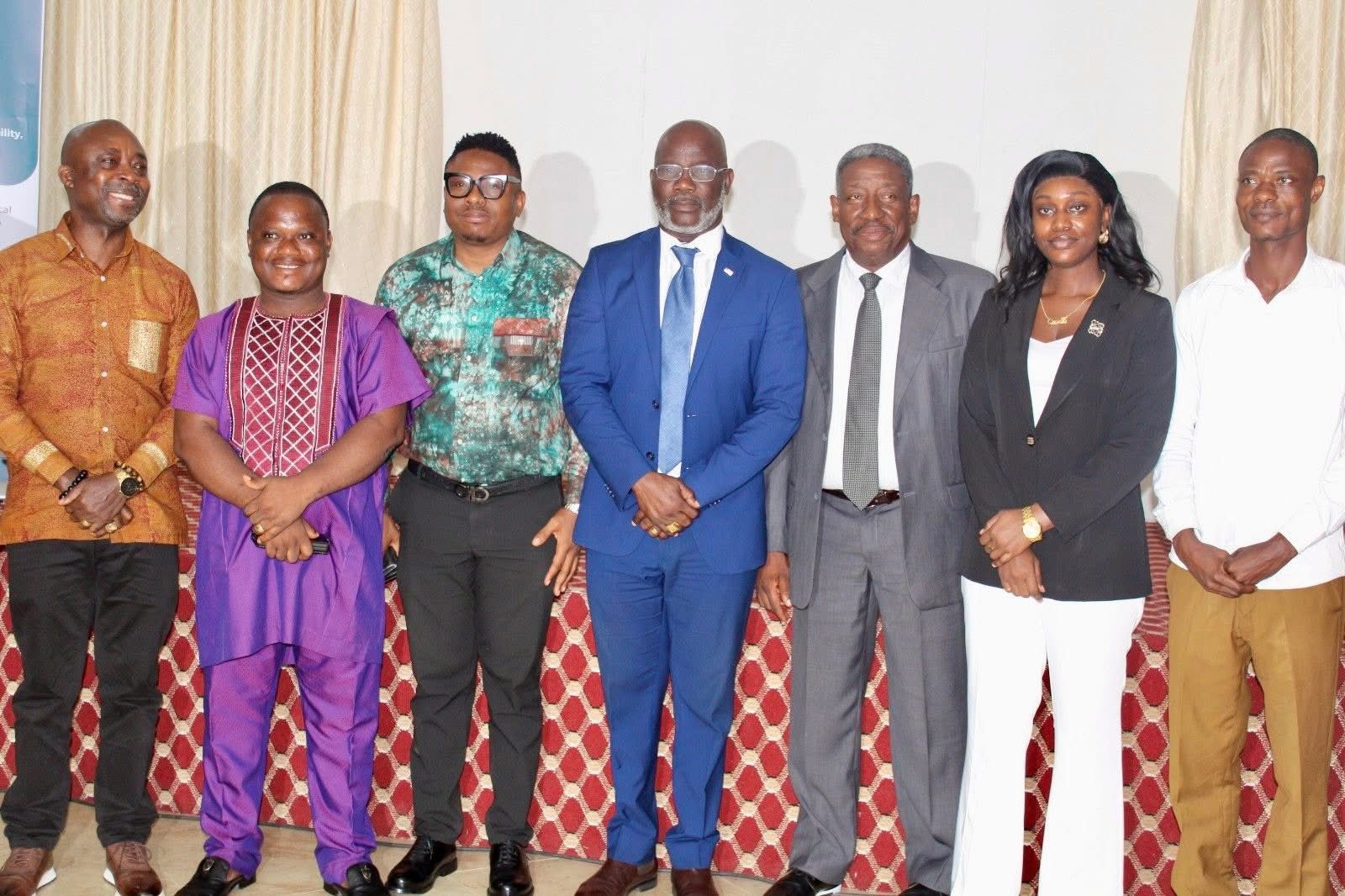
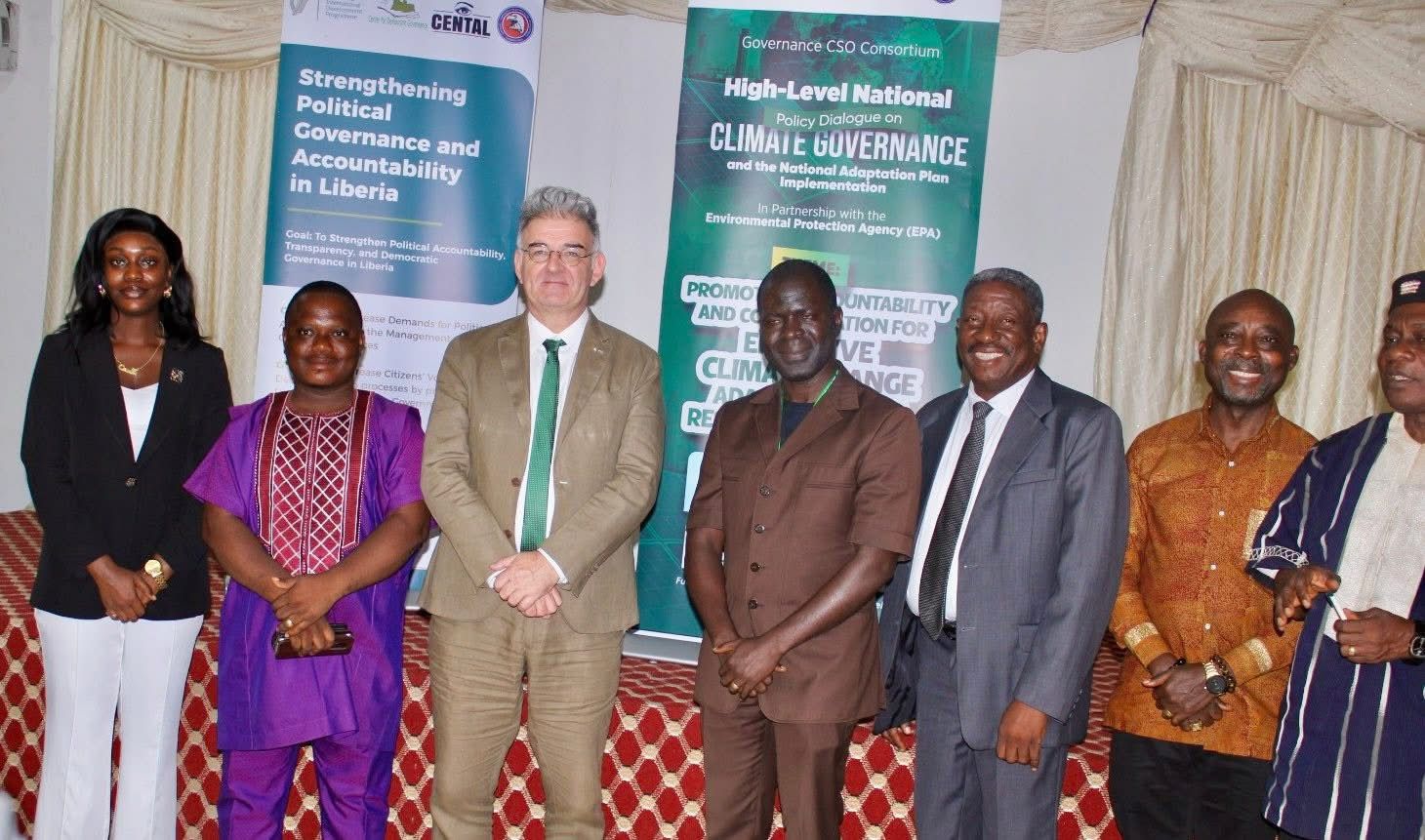
Monrovia, Liberia – The Center for Democratic Governance (CDG), in collaboration with the Environmental Protection Agency (EPA) and other key partners, on Wednesday hosted a High-Level National Policy Dialogue on Climate Governance and National Adaptation Plan (NAP) Implementation in Monrovia.
By Patience M. Jones, [email protected]
Held at the Sinkor Palace Hotel in Congo Town, the event brought together government officials, civil society actors, development partners, youth and women’s groups, the private sector, and members of the media under the theme: “Promoting Accountability and Collaboration for Effective Climate Change Adaptation and Resilience in Liberia.”
The dialogue was organized as part of the Strengthening Political Governance and Accountability in Liberia Project, with support from the Government of Ireland through Irish Aid. Key partners included CENTAL, NAYMOTE, and the Governance CSOs Consortium.
Focus on Climate Governance
Delivering the overview of the project, Cllr. George D.W. Sagbeh, Executive Director of CDG, emphasized the importance of elevating climate governance and adaptation discussions to the national level.
He noted that the dialogue created an opportunity for high-level institutions—including the Ministry of Finance and Development Planning, the Ministry of Local Government, the EPA, and civil society organizations—to engage on practical solutions for strengthening climate resilience in Liberia.
According to Sagbeh, the project seeks to improve climate governance, financing, and accountability while ensuring that local communities better understand the effects of climate change and ways to adapt.
Speaker Koon Calls for Action
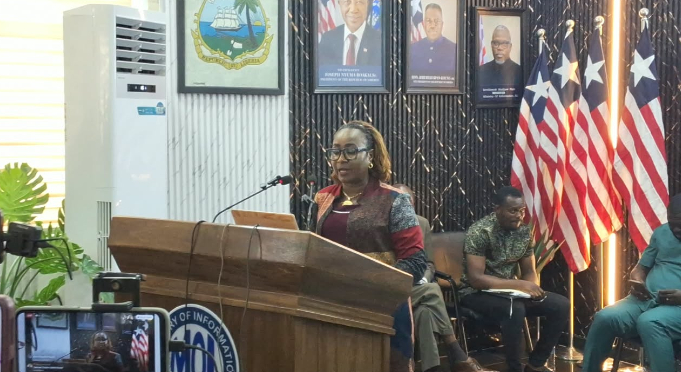
Serving as keynote speaker, House Speaker Richard Nagbe Koon described climate change as no longer a distant global concern, but a present-day reality already affecting Liberia’s communities, economy, and natural resources.
He pointed to rising sea levels threatening coastal communities, unpredictable rainfall patterns impacting agriculture, and growing environmental pressures across the country.
Speaker Koon stressed that while Liberia’s National Adaptation Plan provides a strategic framework, what is needed now is effective implementation, transparent governance, sustained financing, and strong collaboration among government, civil society, development partners, and local communities.
He also reaffirmed the Legislature’s readiness to support the passage of laws and policies that will strengthen climate resilience and adaptation efforts in Liberia.
Technical Presentation and Stakeholder Engagement
The dialogue featured a technical presentation on Liberia’s National Adaptation Plan process, including its formulation, achievements, challenges, and lessons learned. The presentation was delivered by Teddy P. Taylor, Climate Change Assistant for the Development of Multilateral Environmental Agreements at the EPA.
Participants also took part in a panel discussion focused on climate governance, financing, institutional coordination, and the role of local communities in adaptation efforts.
Key Outcomes and Commitments
At the close of the event, Andrew D. Johnson, Program Officer at CENTAL, read the official communiqué of the dialogue.
The communiqué highlighted several key concerns, including:
Weak institutional coordination slowing NAP implementation
Limited technical capacity and inadequate financing
Insufficient climate information services
Low public awareness, especially in rural communities
Underrepresentation of women, youth, and persons with disabilities in climate decision-making
Participants committed to:
Strengthening national climate governance systems
Improving transparency and accountability in climate finance
Enhancing early warning systems and climate data sharing
Supporting county and local-level adaptation planning
Promoting community-based and locally led climate action
Increasing women’s and youth participation in climate policy and implementation
A National Call for Resilience
The dialogue ended with a strong call for all stakeholders to work collectively toward implementing Liberia’s National Adaptation Plan and building a more climate-resilient nation.
Participants agreed that climate change remains one of the greatest threats to Liberia’s sustainable development, and that only through strong governance, accountability, and inclusive collaboration can the country protect its people, natural resources, and future generations.
Support Independent Journalism
Your support helps FrontPage Africa continue delivering independent, credible, and impactful journalism. Every contribution strengthens our ability to investigate, inform, and hold power accountable while keeping quality journalism accessible to our readers.
Support our journalism or subscribe to receive the latest FrontPage Africa stories and updates.