As the world approaches the 30th Conference of the Parties (COP30) to the United Nations Framework Convention on Climate Change (UNFCCC), scheduled for November 2025 in Belém, Brazil, nations are once again being called to demonstrate real leadership and commitment to climate action. For Liberia, a country rich in biodiversity yet highly vulnerable to the impacts of climate change, this global gathering offers not just a platform to negotiate—but an opportunity to redefine its voice and strengthen its environmental diplomacy in pursuit of climate justice and sustainable development.
By Teddy P. Taylor, contributing writer
Liberia’s Environmental Diplomacy: A Strategic Imperative
Environmental diplomacy refers to the use of international relations, dialogue, and negotiation to address environmental challenges that transcend borders. For Liberia, the concept has evolved from passive participation in global meetings to active leadership within multilateral frameworks. With over 40% of the remaining Upper Guinean Forest, vast wetlands, and a 350-mile coastline, climate change is not an abstract concern—it is a direct threat to livelihoods, food security, and national stability. Liberia’s proactive engagement in environmental diplomacy stems from its understanding that climate change is also a development and security issue. Rising sea levels are eroding coastal communities; shifting rainfall patterns are affecting agriculture; and the degradation of forests threatens both biodiversity and the rural economy. Recognizing these realities, Liberia has made environmental diplomacy a cornerstone of its foreign policy agenda.
Positioning Liberia in the Global Climate Arena
Liberia’s commitment to multilateral cooperation is reflected in its active participation in several international agreements, including the UNFCCC, the Paris Agreement, the Convention on Biological Diversity (CBD), and the UN Convention to Combat Desertification (UNCCD). Through the Paris Agreement, Liberia has submitted successive Nationally Determined Contributions (NDCs) outlining national commitments to reduce emissions and strengthen climate resilience. The country’s NDC 3.0 submitted to the UNFCCC in September of this year and expected to be unveiled at COP30, is particularly ambitious—it integrates gender, health, Freshwater, and blue economy considerations as crosscutting priorities. Liberia’s voice has grown stronger at the annual COP meetings, consistently calling for increased climate finance, technology transfer, and capacity building for Least Developed Countries and Small Island Developing States.
Institutional Leadership and Interagency Coordination
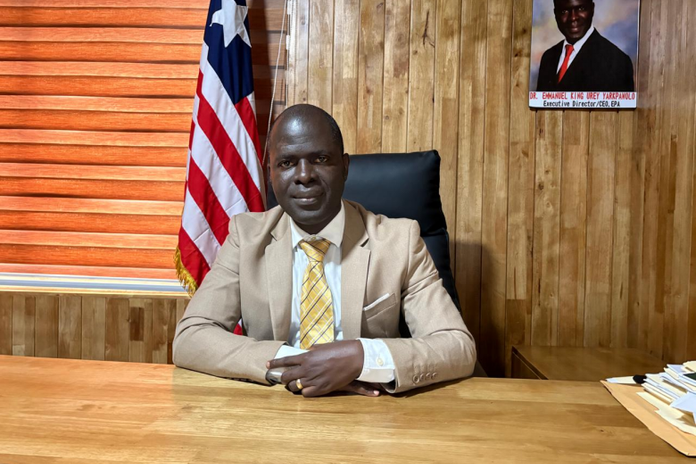
At the heart of Liberia’s climate diplomacy stands the Environmental Protection Agency (EPA), the lead institution responsible for coordinating the country’s climate policies and representing Liberia in international negotiations. Working closely with the Ministry of Foreign Affairs, the Ministry of Agriculture, and other agencies, the EPA has established an increasingly coordinated approach to climate governance. Liberia has also become an active participant in key global climate financing mechanisms such as the Green Climate Fund (GCF), the Global Environment Facility (GEF), and the Adaptation Fund. Through initiatives like the Capacity-Building Initiative for Transparency (CBIT), Liberia has enhanced its systems for monitoring greenhouse gas emissions and promoting transparency in climate reporting.
Championing Forest and Biodiversity Diplomacy
Liberia’s tropical forests are among the most ecologically significant in Africa, providing critical carbon sinks and supporting thousands of species. Through participation in the REDD+ mechanism (Reducing Emissions from Deforestation and Forest Degradation), the country has successfully negotiated international partnerships to safeguard its forest resources. One of Liberia’s most impactful partnerships is with the Government of Norway, which has supported the country’s forest governance and sustainable livelihood programs. Additional collaborations with the World Bank, UNDP, and the International Union for Conservation of Nature (IUCN) have advanced biodiversity protection and conservation financing.
Youth, Civil Society, and Indigenous Voices
Perhaps the most transformative development in Liberia’s environmental diplomacy is the growing involvement of youth, civil society, and indigenous communities. Over the past decade, Liberian youth climate activists and community leaders have emerged as powerful voices in global fora—including the UN Climate Change Conferences and Stockholm+50. Through initiatives supported by UNICEF, UNDP, FAO, and the African Development Bank, Liberia has implemented the Action for Climate Empowerment (ACE) framework, promoting climate education and public participation.
Liberia’s Road to COP30: Readiness and Expectations
As COP30 draws closer, Liberia is aligning its national priorities with the global climate agenda. The conference—hosted for the first time in the Amazon region of Brazil—will mark a pivotal moment for climate ambition and equity. Liberia’s delegation, composed of government officials, youth representatives, and civil society actors, is expected to push for stronger commitments on adaptation finance, loss and damage, and capacity building.
Challenges and Opportunities
Despite progress, Liberia faces ongoing challenges that limit the full implementation of its climate ambitions, including insufficient technical capacity and limited financial resources. However, these challenges also present opportunities. By strengthening inter-ministerial collaboration and expanding climate diplomacy training for diplomats, Liberia can transform vulnerabilities into resilience. Increased investment in renewable energy, sustainable agriculture, and climate-smart infrastructure could open new pathways for green jobs and innovation.
The Way Forward: From Diplomacy to Action
Liberia’s environmental diplomacy is no longer just about attending conferences—it is about shaping outcomes, forging alliances, and securing resources for implementation. To maintain momentum, the country must institutionalize climate diplomacy, strengthen coordination among ministries, promote partnerships linking environmental protection to economic empowerment, and invest in research, innovation, and youth leadership as pillars of long-term resilience.
Conclusion
Liberia’s growing presence in global environmental diplomacy is a story of transformation—from vulnerability to influence, and from passive participation to active leadership. As the world gathers in Brazil for COP30, Liberia stands ready to reaffirm its commitment to equity, resilience, and shared responsibility. With sustained leadership, strategic partnerships, and inclusive governance, Liberia can continue to amplify its role as a bridge between local realities and global climate action.
About the Author
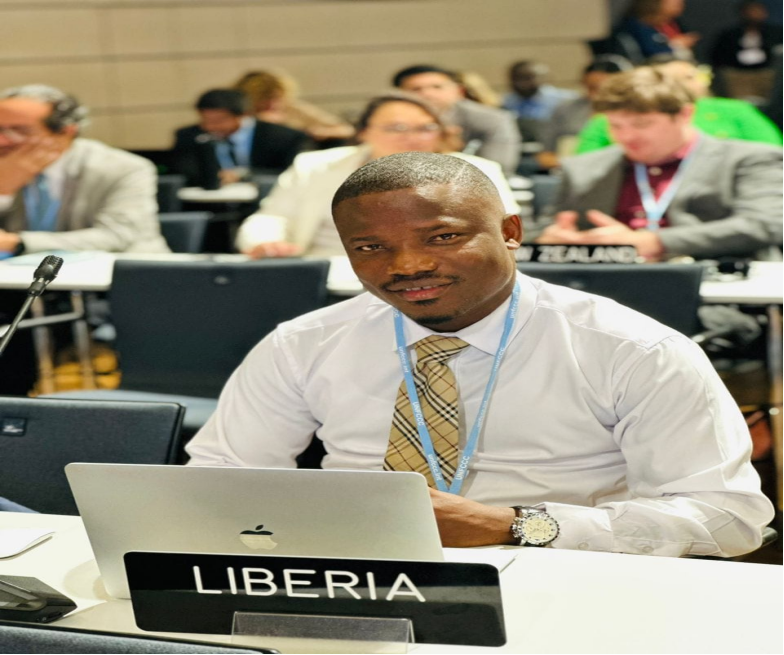
Teddy P. Taylor is a dynamic leader championing climate education, youth empowerment, and ecosystem resilience in Liberia. As a linchpin in both national and international climate negotiations—particularly under the umbrella of Action for Climate Empowerment (ACE) and freshwater ecosystem protection—he has strengthened Liberia’s global climate presence and driven strategic initiatives in climate education, freshwater conservation, and youth engagement.
Support Independent Journalism
Your support helps FrontPage Africa continue delivering independent, credible, and impactful journalism. Every contribution strengthens our ability to investigate, inform, and hold power accountable while keeping quality journalism accessible to our readers.
Support our journalism or subscribe to receive the latest FrontPage Africa stories and updates.