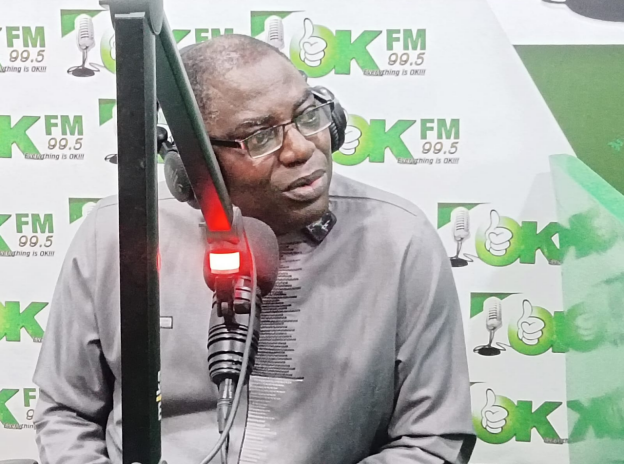
Grand Bassa County Senator Gbezohngar Milton Findley has raised the alarm over the mounting hardships faced by Liberians under the Unity Party–led government of President Joseph Nyuma Boakai, decrying what he calls a sluggish government response to critical challenges.
By Obediah Johnson, [email protected]
Speaking at his Capitol Building office in Monrovia on Wednesday, February 5, Senator Findley noted that many ordinary citizens are struggling to put food on the table, pay school fees, and secure basic necessities due to the dearth of opportunities and the prevailing economic challenges.
“There are numerous issues, and these are not solely the responsibility of the executive, legislature, or judiciary—it’s all of us. We need to sit together and discuss what is required for survival,” he said.
Mounting Pressure on Lawmakers
Senator Findley highlighted that the mounting difficulties have intensified public pressure on lawmakers to address citizens’ grievances. He acknowledged claims that while some legislators are perceived to benefit from roughly 10 percent of the national budget, the executive branch accounts for about 85 percent of the spending.
“The ordinary Liberians are saying that things are hard. I feel it myself—people come to me saying their children are out of school, they haven’t eaten for days, and jobs are nowhere to be found,” he observed.
Slow Government Efforts
Describing the government’s response as “slow,” Senator Findley pointed to the limited progress made in managing state-owned enterprises (SOEs). He stressed that the ambitious targets set in the national budget for SOEs must be met without excuses, emphasizing that these entities exist for the benefit of all Liberians, not as revenue-generating private enterprises.
“If an SOE collects US$2 million and has the capacity to pay US$4 million, it should pay up. The pace of government response is slower than I anticipated,” he said. He also criticized the government for failing to release data on job creation and investments during the year under review.
Impact of USAID Funding Suspension
Senator Findley also addressed the recent announcement by U.S. President Donald Trump regarding the 90-day suspension of USAID-funded projects. USAID, founded in 1961 by President John F. Kennedy, has long played a vital role in supporting Liberia’s health, education, and security sectors.
“Many USAID programs are concentrated in areas where ordinary citizens benefit the most. If the suspension continues, the government must reassess its budget priorities to minimize the impact on our critical sectors,” he warned.
Call for Open Dialogue and Private Sector Involvement
Proposing an “open discussion” with key stakeholders, Senator Findley called for a national dialogue to overcome Liberia’s long-standing dependency syndrome. He urged greater involvement of the private sector to complement government efforts, noting that efficient resource management is essential for addressing the needs of a growing population.
“We need the private sector to be a driving force. A robust environment that supports private investment, especially in agriculture, is crucial to reducing our reliance on imports and strengthening our local economy,” he stated.
On Corruption and Institutional Reforms
Senator Findley also stressed the need for a more proactive fight against corruption. He called for increased resources and training for the Liberia Anti-Corruption Commission (LACC), Internal Audit Agency (IAA), General Auditing Commission (GAC), and other integrity institutions, adding that civil servants and whistleblowers have a crucial role in ensuring transparency.
“If funds allocated for projects are misused or remain unaccounted for, civil servants must be vigilant and act accordingly. We need to expose any irregularities, whether at ministries or agencies like the Ministry of Post and Telecommunications or the National Oil Company of Liberia (NOCAL),” he said.
Senator Findley’s remarks underscore the urgent need for faster and more effective government action to alleviate the challenges faced by Liberians and to ensure that national resources are managed in a way that benefits all citizens.
Support Independent Journalism
Your support helps FrontPage Africa continue delivering independent, credible, and impactful journalism. Every contribution strengthens our ability to investigate, inform, and hold power accountable while keeping quality journalism accessible to our readers.
Support our journalism or subscribe to receive the latest FrontPage Africa stories and updates.