The World Bank and the International Monetary Fund (IMF) are the two major Bretton Woods institutions created in the aftermath of World War II. Their core purposes differ but are often intertwined in practice. The World Bank focuses on long-term economic development and poverty reduction through project financing, infrastructure support, and technical assistance. The IMF aims to maintain global financial stability by providing short-term liquidity to countries in balance-of-payments distress, with policy conditions attached. Both institutions collect, share, and rely on vast amounts of economic data from partner countries — used to assess risk, design programs, and evaluate economic performance across nations.
The World Bank operates through different arms: The International Bank for Reconstruction and Development (IBRD) lends to middle-income and creditworthy low-income countries at near-market interest rates. The International Development Association (IDA) provides highly concessional loans and grants to the poorest countries. Loan Features: Project-based financing: Often targeted at infrastructure, health, education, governance reforms, etc. These credit facilities often come rigid conditionality. Some loans require policy reforms in areas like governance, transparency, and regulatory frameworks. Technical assistance. They also have support for capacity building — such as improving statistical systems and debt reporting.
Lending Structure: The IMF’s lending is structured differently, Stand-By Arrangements (SBA) and Short-term liquidity support for countries facing balance-of-payments crises with macroeconomic policy conditions attached (fiscal discipline, currency reform, etc.). Concessional lending programs like the Poverty Reduction and Growth Facility (PRGF) offer softer terms for low-income countries tied to poverty-reduction strategies. IMF loans almost always come with policy reforms or conditionalities intended to restore macroeconomic balance — often requiring spending cuts, tax reforms, exchange-rate adjustments, or trade liberalization.
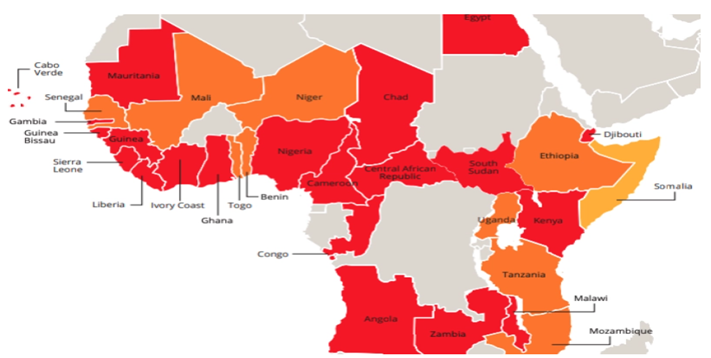
Economic Data Provision and Dependency:
The World Bank’s global databases track hundreds of indicators (debt levels, GDP figures, social statistics), often published publicly and relied upon by governments and researchers worldwide. The IMF requires detailed economic reporting from member states as part of surveillance and lending programs, including fiscal accounts, external positions, and financial indicators. These datasets become the backbone of program design, performance assessment, and international benchmarks.
Data Dependency Challenges While standardized data allows comparison and global monitoring, it has drawbacks: Overreliance on external measurements: Countries may prioritize reporting what fits international classifications, even if those indicators don’t fully capture local economic realities. Policy prescriptions based on standardized models: External analysts may recommend one-size-fits-all policies that ignore cultural, social, or structural specificities of a country’s economy. Under-investment in local statistical capacity: If countries lean on externally provided data infrastructure, domestic expertise in economic measurement may stagnate.
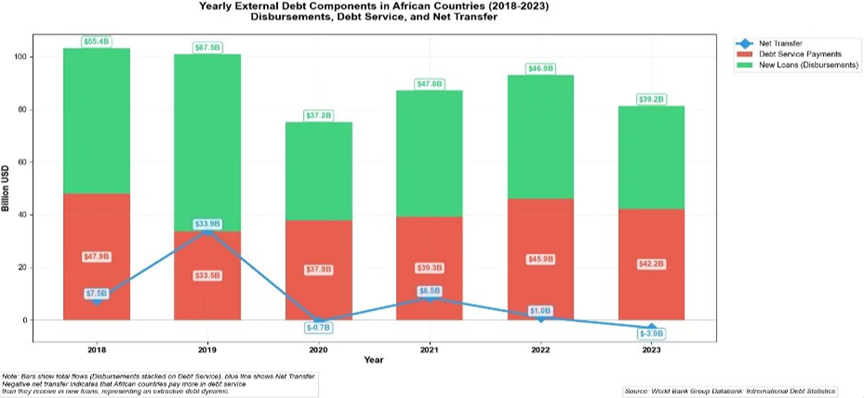
The Paradox of Aid and Data Dependence – Benefits of World Bank and IMF Support:
There’s no question that these institutions have played critical roles in crisis mitigation and development financing. In crisis responses, the IMF loans often provide vital liquidity that prevents sovereign default or currency collapse, stabilizing financial conditions in extreme stress. From a development financing perspective, World Bank projects have funded roads, schools, hospitals, and clean water systems that might otherwise lack affordable financing. Shared data and analytic frameworks help governments benchmark performance, access global markets, and attract private investment.
Why Aid and Data Dependency Can Undermine Development:
However, dependence on external aid and metrics has systemic downsides such as sovereignty erosion. Conditionality can dictate policy choices, narrowing the policymaking autonomy of borrower governments.
- Austerity’s social costs: IMF-linked reforms often emphasize fiscal tightening that can reduce spending on health and education, hurting vulnerable populations. This has been linked, in research, to higher inequality and poor social outcomes.
- From debt cycles standpoint, repeated borrowing without deeper structural adjustment can lead to a vicious cycle of indebtedness, where countries must borrow again to service existing debt.
- Template policies not tailored to local context: Standardized reforms (privatization, trade liberalization) may not fit local economic structures, leading to stagnant growth and even decline in some cases.
- Data misalignment: External indicators may privilege global comparisons over nuanced domestic priorities, leaving unique challenges unaddressed.
Why Data Dependence and Aid Dependence “Handicap” Development.
External Metrics Shape Internal Policy Because policy makers and international investors rely heavily on World Bank/IMF data, governments can feel pressured to conform to global benchmarks — even when they don’t fit local circumstances. Example: prioritizing inflation control over investing in education may look “sound” by global metrics but leave crucial local needs unmet. Incentives for Repeated Borrowing The availability of standby facilities and concessional lenders — while well-intentioned — can encourage countries to view external assistance as default strategy, rather than solving underlying structural challenges. This dynamic undermines long-term self-sufficiency.
Here are several prescriptive solutions toward economic autonomy: To transform dependency into agency, developing countries need a mix of institutional reforms, capacity-building, and locally grounded economic innovation. Developing countries must Build Domestic Data Systems and Metrics Instead of outsourcing economic measurement to external agencies. They must invest in national statistical offices to gather high-quality data on employment, productivity, inequality, and informal sectors. Develop multi-dimensional indices tailored to each country’s priorities (e.g., informal employment metrics, social wellbeing indices beyond GDP). Use local academic and research institutions to interpret data in contextually meaningful ways. This empowers countries to design policies that reflect actual economic strengths and weaknesses, not just standardized global ones.
Tailored Development Frameworks Countries should articulate home-grown development strategies that prioritize sectors with comparative local advantage (agriculture, SMEs, digital economies, artisan industries, etc.). They must embrace incremental reform sequencing rather than wholesale liberalization dictated externally. Deploy strategic Use of Global Finance Instead of long-term aid dependence: Use IMF and World Bank lending strategically — as tools for crisis buffer or targeted investment — not as a primary development engine. Negotiate terms that support social protections and safeguard essential services. Diversify financing sources, including regional development banks, diaspora bonds, and sustainable domestic capital mobilization. Regional and South–South Cooperation Developing countries can learn from each other’s successes and pool resources: The ability to share best practices on industrial policy and inclusive growth can offer more realistic approaches instead of a universally collective approach. Create regional stabilization funds that reduce reliance on global lenders. Leverage platforms like the Enhanced Integrated Framework (EIF) for trade and development cooperation. Institutional Reform Engagement for long-term structural change: Advocate for more representation in governance of Bretton Woods institutions to ensure that the voices of low-income countries shape global policy agendas.
The World Bank and IMF have undeniably provided vital support that has prevented economic collapses and funded major development projects. Yet, their loan conditionalities and pervasive data frameworks have also, in many cases, shaped policy directions in ways that undermine local autonomy, perpetuate debt dependence, and constrain truly endogenous economic growth. For developing countries to break this cycle, they need to shift from being data consumers and aid recipients to data producers and strategic economic planners. Building robust internal metrics, prioritizing local development strategies, and engaging global institutions on equal terms will strengthen resilience and make financing a tool for transformation — not a tether that holds back potential.
About the Author:
Gabriel M. Carter has a Bachelor of Science in Finance from Cambridge College and Master of Science in Finance from Brandeis University School of Business and Economics.
Support Independent Journalism
Your support helps FrontPage Africa continue delivering independent, credible, and impactful journalism. Every contribution strengthens our ability to investigate, inform, and hold power accountable while keeping quality journalism accessible to our readers.
Support our journalism or subscribe to receive the latest FrontPage Africa stories and updates.