
Justice is the cornerstone of any civil society. In Liberia, the dispensation of justice is a fundamental pillar upon which the nation can rebuild, heal, and prosper after decades of conflict and turmoil.
By: Edward Wesee – Advocate for Social and Economic Justice, and A Better Liberia:[email protected], and Austin S Fallah – [email protected], contributing writers
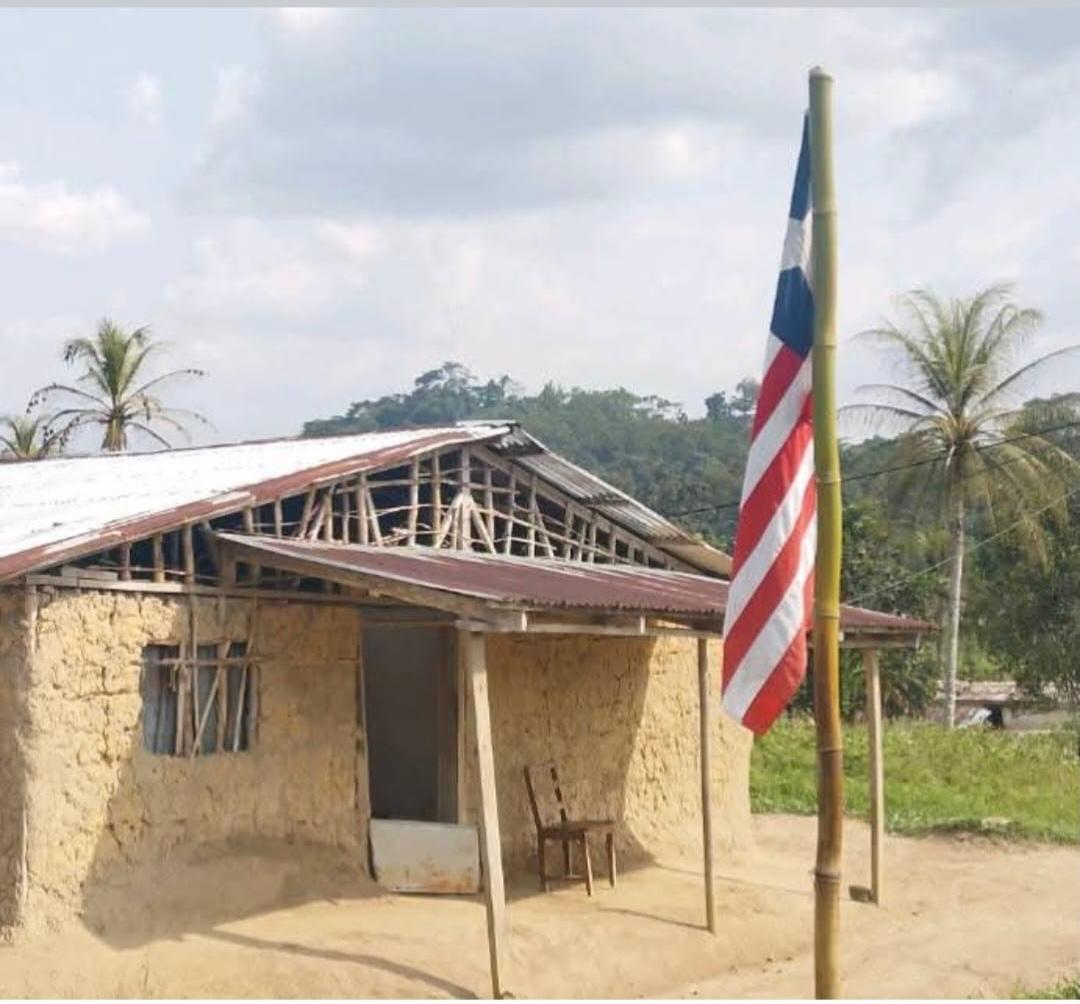
However, this critical system is under threat from one glaring issue that too often goes unnoticed: the condition of the physical structures where justice is administered.
The courts are dilapidated, unclean, and ill-equipped to facilitate a fair and transparent judicial process.
The urgency of constructing new court buildings, both in urban centers and rural areas of Liberia, cannot be overstated; it is a pressing need that directly influences the integrity of justice itself.
Justice does not thrive in decaying buildings. It can not flourish in an environment that fails to express the values and dignity of the society it serves.
The condition of physical court buildings plays a significant role in shaping public perception regarding the entire justice system.
When courts are dirty, overcrowded, and poorly maintained, they fail to inspire respect or confidence in the rule of law.
Instead, they convey a disheartening message that justice is a secondary concern in a nation’s priorities.
Hence, upgrading these physical structures is more than a mere aesthetic enhancement; it is a vital investment in the very essence of judicial integrity and respect for the rule of law.
The current state of many court buildings in Liberia reflects a troubled history marked by disregard for the justice system.
By neglecting the maintenance and modernization of courthouses, Liberia sends a signal that justice is not a priority, causing citizens to lose faith in the institutions meant to protect their rights.
As courts are tasked with upholding the law, delivering justice fairly, and safeguarding citizens from injustices, they must also reflect cleanliness and order.
Transforming court buildings into facilities that meet international standards is essential for instilling a sense of seriousness and respect for judicial proceedings.
The Supreme Court of Liberia is uniquely positioned to spearhead this transformation.
By advocating for new court buildings that conform to modern standards, the Supreme Court would not only serve the immediate needs of judicial practitioners but also restore public trust in the legal system.
Clean and well-maintained courthouses signal to citizens that the government values their rights and is committed to ensuring a fair judicial process.
A functional environment facilitates efficient court operations, allowing judges, legal practitioners, and court staff to perform their duties effectively.
When the environment is conducive to carrying out the demands of justice, the output is inherently more reliable, and citizens can expect more from their courts.
Moreover, the issue of constructing new court buildings extends beyond urban settings; rural areas in Liberia also deserve proper court facilities.
Many rural communities continue to grapple with the impacts of the legal vacuum created by inadequate infrastructure.
Citizens residing in remote areas often lack access to formal legal processes, leaving them vulnerable to exploitation and injustices.
Building courthouses in rural settings will empower communities, enhance access to justice, and uphold the rights of every citizen, regardless of their location.
Justice should not be a privilege reserved for city residents; it is a universal right that must be equally accessible to all Liberians.
The construction of new, clean, and functional court buildings would undoubtedly require significant investments.
However, the international community has historically demonstrated a willingness to assist nations in distress.
Soliciting international partners’ support for investing in Liberia’s judicial infrastructure would serve the collective interests of donor nations and the Liberian people.
By enhancing Liberia’s judicial capacity, international partners can help foster a more peaceful and stable society, ultimately leading to economic development that benefits everyone.
The investment in court infrastructure should also be seen as an investment in peace. A peaceful Liberia is one where citizens are assured that their rights will be respected and that justice will be served without bias or hindrance.
In a clean, modern courtroom, disputes can be resolved effectively and the rule of law upheld with integrity.
Cleanliness, as the saying goes, is next to Godliness; it symbolizes order, respect, and above all, offers a tangible reflection of the values upheld by society.
In a context like Liberia, where many have suffered unimaginable injustices, the environment within which justice is delivered must reflect a commitment to honor and restore dignity.
The implications for these changes are tremendous. With better facilities, the efficiency of the judicial process improves, leading to quicker, fairer resolutions.
A revitalized court environment can also inspire judges and staff to uphold their roles with renewed vigor.
They become stewards of justice, representing the law with the respect and seriousness it inherently deserves.
When judges conduct their work in dignified and suitable surroundings, it sends a strong message about the importance of justice in society.
Furthermore, creating welcoming, accessible spaces encourages citizens to engage with the legal system.
The sight of well-maintained courthouses can empower ordinary people to seek redress and participate in the rule of law.
It becomes a physical manifestation of liberty, signaling that the courts exist to serve the people, not to intimidate or deter them.
An atmosphere of respect and cleanliness fosters trust in the legal process, which ultimately leads to a more law-abiding and harmonious society.
Advocating for new court buildings is a necessary step toward altering Liberia’s narrative regarding justice and the rule of law.
It plays a crucial role in establishing a judicial framework that reflects the aspirations and dignity of the Liberian people.
Through well-constructed and well-maintained courthouses, Liberia can strive for a judicial system that resonates with the true meaning of justice: fairness, access, and accountability.
Justice is not just an abstract idea; it is a tangible reality that exists within the institutions designed to uphold it.
It emanates from clean, dignified spaces that stand as testaments to societal values.
Building new court structures across Liberia is a foundational step toward restoring justice to the nation.
It is an investment not only in infrastructure but also in the belief that every Liberian deserves a fair trial, respect for their rights, and access to an impartial legal system.
The importance of constructing new court buildings in Liberia is unequivocal.
The investment in proper judicial infrastructure is an investment in society’s capacity to dispense justice and uphold the rules that bind it together.
It is a call to action for the Liberian Supreme Court, a plea for international support, and an ethical imperative to ensure that every citizen can access justice in an environment that reflects their dignity and rights.
Clean, modern, and dignified court buildings across Liberia will not only pay homage to the rule of law but will also promote a peaceful society, embodying the maxim that indeed, cleanliness is next to
Godliness and justice are close to a peaceful society.
Now is the time for Liberia to take this step forward, to give justice its rightful place in the hearts and minds of all Liberians.
Support Independent Journalism
Your support helps FrontPage Africa continue delivering independent, credible, and impactful journalism. Every contribution strengthens our ability to investigate, inform, and hold power accountable while keeping quality journalism accessible to our readers.
Support our journalism or subscribe to receive the latest FrontPage Africa stories and updates.