A new order from the Solicitor General requiring prosecutor sign-off before police can charge a suspect lands against a backdrop the U.S. State Department has documented for years: a justice system where arrests often outrun evidence, and pretrial detainees can wait 180 days or more without ever getting a hearing.
By Rodney D. Sieh, [email protected]
Monrovia – The State Department’s most recent human rights report on Liberia, released last year, found that although the law provided for a defendant to receive an expeditious trial, lengthy pretrial detention was a serious problem, with the length of detention in some cases equaling or exceeding the maximum sentence for the alleged crime. The report attributed this to a mix of factors, including the use of detention as a punitive measure, delayed indictments, a nonfunctioning bail system, poor court recordkeeping, and a shortage of resources for public defenders.
The numbers behind that finding are stark. Earlier State Department reporting found roughly 60 percent of pretrial detainees, particularly those held on felony charges, spent more than two terms of court — about 180 days — behind bars without ever getting a hearing. Liberian law is explicit that a case should be dismissed if a defendant isn’t tried by the next court term with no cause shown, but the reports found that this rarely happens, making it one of the most frequently violated provisions in the law.
Weak evidence at the point of arrest is part of what feeds that backlog. Earlier State Department findings noted that a shortage of trained prosecutors and public defenders, poor court administration, inadequate police investigation and evidence collection, and judicial corruption all worsened the frequency and length of pretrial detention, and that arrests often were made without judicial authorization, with warrants sometimes issued without sufficient evidence, while police sometimes requested money to carry out arrests for prosecuting authorities.
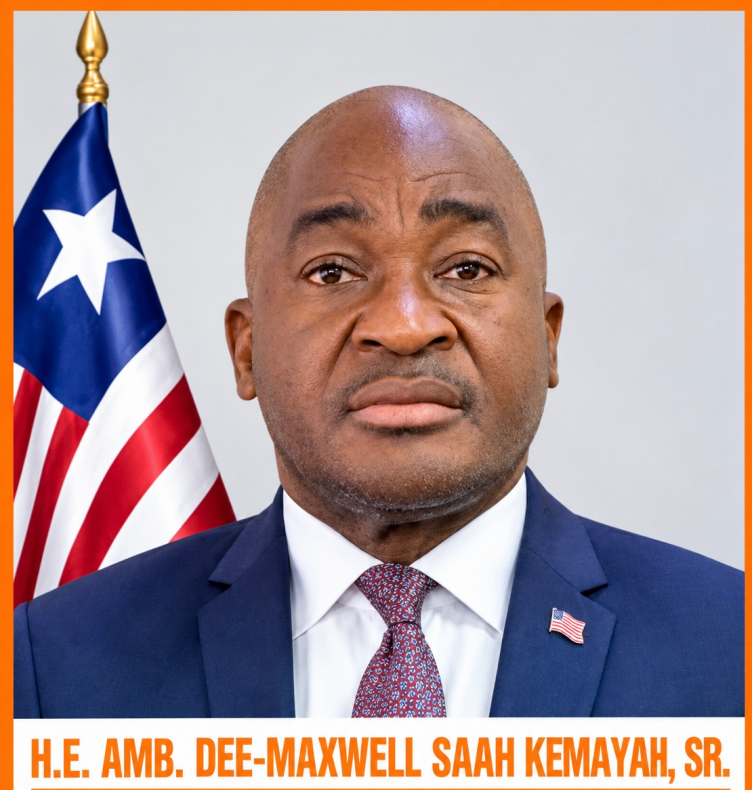
There is also an implementation question the announcement doesn’t answer: whether Sillah’s office and the City Solicitors nationwide have the staffing to review every police charge in real time without becoming a new bottleneck of their own — trading one delay (weak-evidence arrests) for another (charge-review backlogs). The meeting summary treats the directive as already standing, while a related measure — assigning a Supervisor and Deputy Supervisor to every Magisterial Court — is explicitly described as still needing to be “written as a formal Policy,” suggesting the charging rule itself may also be operating ahead of formal written procedure.
The broader signal
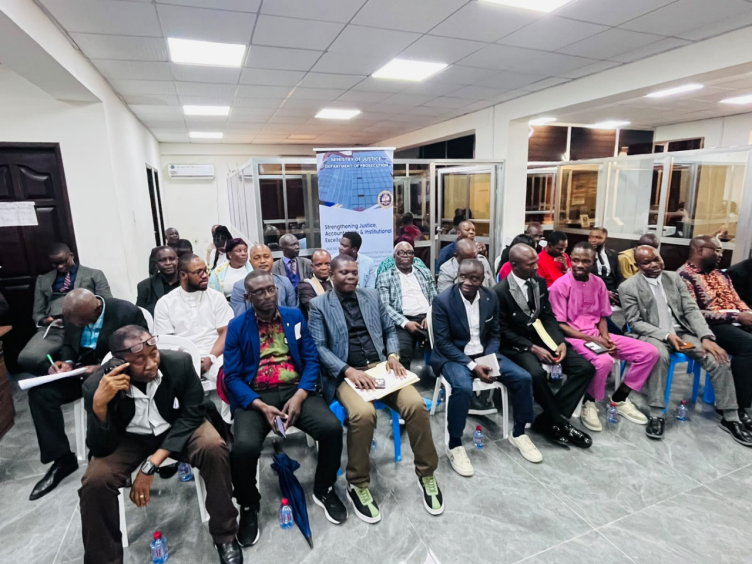
Read against the State Department’s findings, Friday’s meeting reads less as routine internal housekeeping and more as an attempt by the Solicitor General’s office to intervene at the one point in the process — the charging decision — where it has direct authority. Whether it meaningfully reduces wrongful or evidence-free detention will depend on enforcement: whether police actually route charges through prosecutors in practice, and whether the promised written rules and monitoring structure follow the one-week timeline the new committee has been given.
Support Independent Journalism
Your support helps FrontPage Africa continue delivering independent, credible, and impactful journalism. Every contribution strengthens our ability to investigate, inform, and hold power accountable while keeping quality journalism accessible to our readers.
Support our journalism or subscribe to receive the latest FrontPage Africa stories and updates.